Vestibular Disease in Cats: Causes, Head Tilt, Nystagmus, and Supportive Care
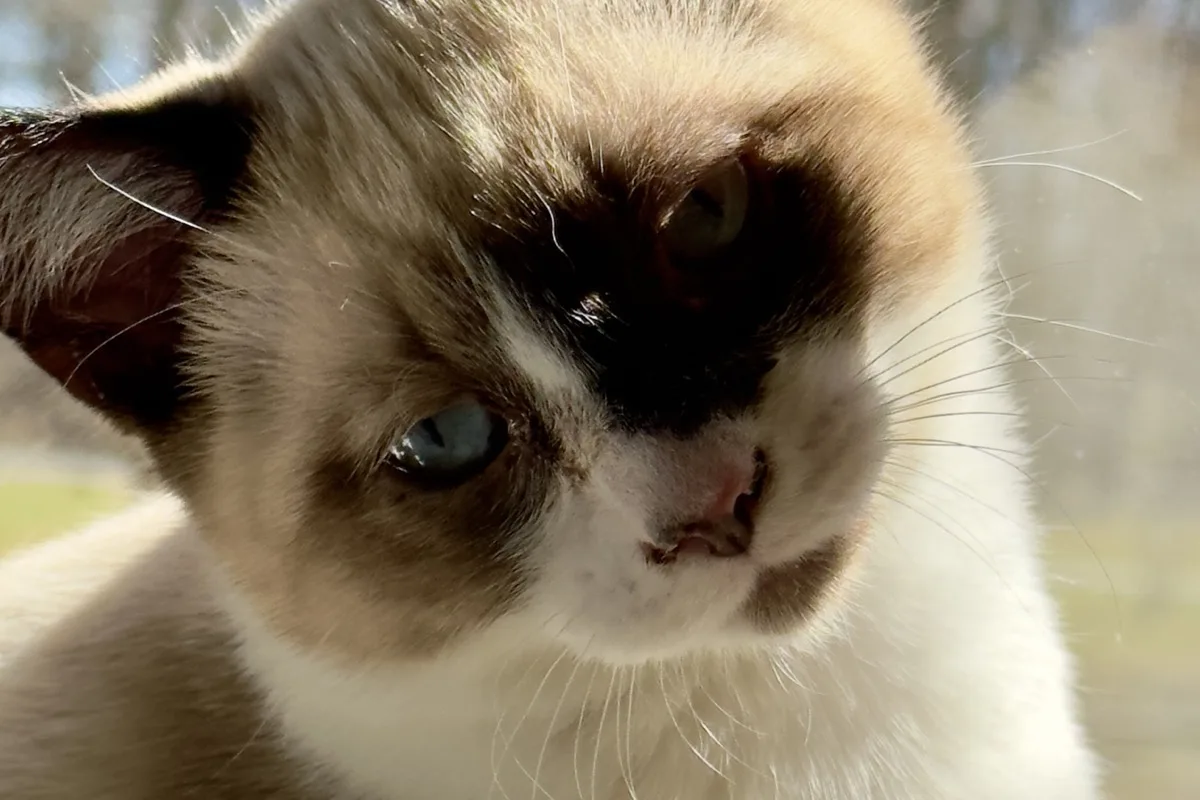
Feline vestibular syndrome is an acute, dramatic neurological condition that disrupts a cat's sense of balance and spatial orientation. Affected felines present with a sudden, pronounced head tilt toward one side, severe loss of motor coordination (drunken gait or rolling), and rapid involuntary eye movements known as nystagmus. While pet parents frequently mistake the episode for a catastrophic stroke, the vast majority of cases stem from peripheral ear issues or self-limiting idiopathic disease with an excellent recovery outlook.
In this guide
1. Understanding the Feline Vestibular System
The vestibular system comprises receptor organs within the inner ear's membranous labyrinth (semicircular canals and otoliths), cranial nerve VIII, and processing nuclei within the brainstem and cerebellum. It functions as the body's internal gyroscope.
When one side fails, the brain interprets the disparity as an unrelenting spin, resulting in acute, incapacitating vertigo and disorientation.
---
2. Hallmark Symptoms and Clinical Presentation
- Pronounced Head Tilt: One ear remains permanently rotated toward the ground (the side of the lesion in peripheral disease).
- Vestibular Ataxia & Circling: Wide-based stance, drifting toward the affected side, and inability to stand without falling.
- Pathological Nystagmus: Rhythmic, involuntary flicking of the eyes with a fast phase away from the lesion.
- Motion Sickness and Nausea: Drooling, lip-smacking, vomiting, and refusal to eat due to profound motion sickness.
- Horner's Syndrome: Miosis (constricted pupil), third eyelid elevation, and ptosis on the affected side if middle ear sympathetic nerves are inflamed.
---
3. Veterinary Diagnostic Evaluation
Veterinarians perform careful otoscopic examination of the tympanic membrane to assess for bacterial otitis, polyps, or discharge. Advanced imaging (CT or MRI) is indicated when otitis interna is suspected within the tympanic bulla or when central brainstem signs (altered mentation, postural deficits) are present.
---
4. Medical Treatment and Home Nursing Care
- Targeted Antiemetics: Maropitant citrate injections or tablets resolve nausea and stimulate voluntary food intake.
- Systemic Antimicrobials: If otitis media/interna is diagnosed, long-term bone-penetrating antibiotics (4 to 6 weeks) are administered.
- Fall-Proof Home Confinement: House the cat in a quiet, carpeted room without steps or high furniture, providing low-entry litter boxes.
- Recovery Timeline: Idiopathic vestibular syndrome typically improves substantially within 48 to 72 hours, with full balance restored in 2 to 3 weeks (a subtle, harmless residual head tilt may persist).
---
Scientific Sources and References
- Rossmeisl, J. H. (2010). Vestibular disease in dogs and cats. Vet Clin North Am Small Anim Pract, 40(1), 81-100.
- Negrin, A., et al. (2010). Diagnostic investigations of peripheral vestibular disease in cats. JSAP, 51(8), 408-414.
Caring for a cat? Keep their health in your pocket
Register your cat on Nekolife to track vaccination history, weight, and get advice from loving cat parents.
- Vaccine & weight records
- Supportive cat community
- Earn Meow Points & badges
Related pages
Know someone who needs this?