Feline Asthma: Recognizing an Asthma Attack, Low-Crouch Posture, and First Aid
Feline asthma is a chronic inflammatory disorder of the lower respiratory tract affecting between 1% and 5% of all domestic cats. Thousands of owners unknowingly live with an asthmatic cat for months or years, misinterpreting their hacking spasms as benign, unproductive attempts to vomit a hairball.
In this guide
1. The Characteristic Feline Asthma Posture
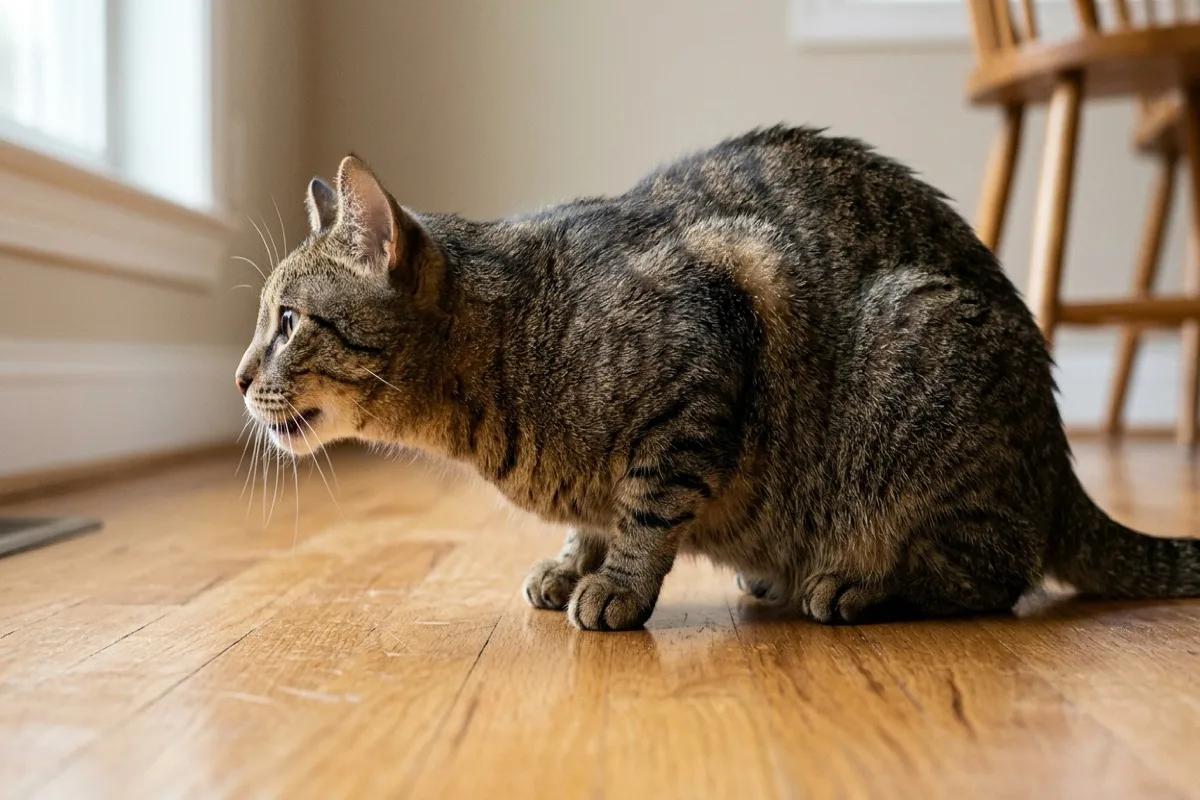
Unlike dogs, cats rarely cough due to cardiac disease. In feline medicine, coughing is almost invariably an indicator of primary lower airway or bronchopulmonary disease. During a bronchospasm:
- Orthopneic crouching: The cat stays low to the ground to stabilize thoracic breathing mechanics.
- Extended head and neck: Straightening the cervical spine aligns the upper and lower airways, reducing resistance to incoming airflow.
- Abdominal breathing effort: The cat's flanks heave prominently during exhalation as it uses auxiliary abdominal musculature to expel trapped air.
---
2. Common Environmental Triggers in the Home
Feline asthma is an allergic reaction caused by inhaled irritants that trigger eosinophilic inflammation:
- Clay and silica cat litters: Fine mineral dust from pouring or digging litter is among the most potent airway triggers (switch to 99% dust-free plant-based or paper pellets).
- Aerosols and smoke: Cigarette and cannabis smoke, scented candles, incense sticks, essential oil diffusers, and aerosol room fresheners.
- Dust mites and seasonal pollens: Inadequate ventilation or dusty carpets during peak pollen seasons.
---
3. First Aid Protocol During an Acute Attack
If your cat exhibits acute respiratory distress or severe coughing spasms:
- Keep calm and eliminate airborne scents: Extinguish scented candles, stop vacuuming, and avoid smoking.
- Do not wrap in tight blankets: Allow the cat to choose its most comfortable respiratory posture.
- Administer prescribed rescue meds: If your cat is a diagnosed asthmatic, fit the AeroKat mask snugly over nose and mouth, actuate the inhaler once, and count 5 to 8 full breaths.
- Calm, climate-controlled transit: Place the cat in a hard carrier, ensure mild air conditioning in the car, and drive smoothly to the emergency clinic without loud music.
---
4. When to Seek Emergency Veterinary Care
Untreated asthma causes irreversible bronchial tissue remodeling, permanent fibrosis, and emphysema. Seek urgent veterinary attention if you observe:
- Open-mouth panting (cats must never breathe through an open mouth; it is a sign of acute hypoxia).
- Pale, gray, or purple gums and tongue (critical lack of oxygenation).
- Coughing spells that persist for more than 2 to 3 minutes or recur multiple times throughout the day.
- Visible retraction of the chest wall beneath the rib cage.
Find the closest emergency facility with an intensive oxygen therapy unit in our directory of emergency veterinary clinics.
---
Scientific References and Sources
- Journal of Feline Medicine and Surgery: Feline asthma: Diagnostics, therapeutics, and long-term airway management.
- Veterinary Clinics of North America: Small Animal Practice: Feline Lower Airway Disease: Update on Pathophysiology and Treatment.
- Cornell Feline Health Center: Feline Asthma: Causes, clinical signs, and aerosol delivery systems.
Caring for a cat? Keep their health in your pocket
Register your cat on Nekolife to track vaccination history, weight, and get advice from loving cat parents.
- Vaccine & weight records
- Supportive cat community
- Earn Meow Points & badges
Related pages
Know someone who needs this?