Feline Chronic Gingivostomatitis and FORL: Oral Pain, Full-Mouth Extraction, and Recovery
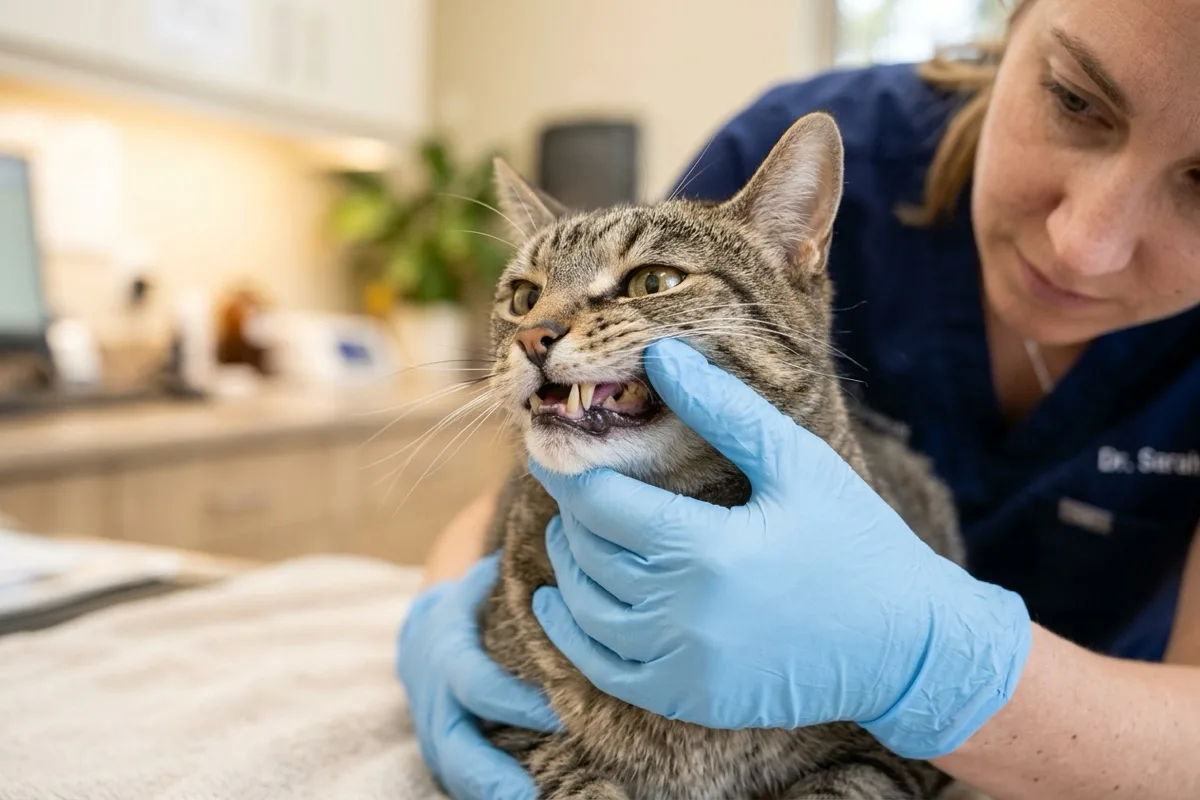
Oral pain in cats is one of the most underdiagnosed and excruciating conditions in feline medicine. Unlike humans, who vocalize dental discomfort or chew on the opposite side, cats instinctively mask their pain until inflammation makes swallowing physically impossible.
In this guide
1. Differentiating Gingivitis, Stomatitis, and FORL
Caregivers frequently confuse these conditions, yet their biological origin and surgical management differ markedly:
| Disease | Primary Cause | Tissues Involved | Gold Standard Care |
|---|---|---|---|
| Marginal Gingivitis | Plaque and tartar accumulation | Gingival margin around teeth | Ultrasonic scaling and polishing |
| Gingivostomatitis (FCGS) | Hyper-immune reaction to oral bacteria/calicivirus | Palatoglossal arches and buccal mucosa | Partial or full-mouth exodontia |
| Tooth Resorption (FORL) | Odontoclast destruction of dentin and enamel | Tooth root and cervical enamel | Surgical extraction or crown amputation |
---
2. Recognizing Subtle Signs of Feline Oral Pain
Because cats conceal weakness, caregivers should watch for behavioral shifts outlined in our guide on how to tell if your cat is in pain:
- Jaw chattering (bruxism): Grinding teeth during meals or immediately after yawning.
- Ptyalism (heavy drooling): Thick saliva soaking the chin and front paws, occasionally blood-tinged.
- Severe halitosis: Foul, rotting oral odor that brushing cannot resolve.
- Poor grooming: A greasy, unkempt coat because tongue contact on fur triggers agonizing oral irritation.
- Dry food refusal: Reluctance to crunch dry food, requiring immediate dietary support with high-moisture wet food or homemade cat-safe broths.
---
3. Why Long-Term Drug Therapy Fails
Administering repeated depot cortisone shots alongside pulse antibiotic courses is an outdated palliative strategy:
- It breeds antibiotic resistance and suppresses systemic immunity.
- It frequently induces steroid-induced feline diabetes mellitus.
- It fails to stop progressive underlying alveolar bone destruction.
Contemporary veterinary dentistry agrees: eliminating bacterial adherence surfaces through surgical exodontia is the only curative intervention.
---
4. Can a Cat Live a Happy Life Without Teeth?
One of the greatest fears for pet owners is authorizing full-mouth tooth extractions.
The veterinary consensus is clear: a toothless cat lives an infinitely happier and healthier life than a cat with a mouth full of diseased, painful teeth.
- Gums heal completely within 10 to 14 days, forming tough, calloused tissue capable of eating both canned paté and dry kibble.
- Approximately 70–80% of cats achieve full clinical remission and never need dental medications again.
- The remaining refractory cases are easily managed with low-dose multimodal analgesia (gabapentin, buprenorphine, or laser therapy).
---
5. When to Seek Emergency Veterinary Care
Seek urgent medical intervention if your cat exhibits:
- Complete refusal to eat or drink for more than 24–48 hours (risk of acute hepatic lipidosis).
- Active oral bleeding dripping continuously from the mouth.
- Rapid loss of more than 10% of body weight within two weeks.
Consult accredited hospitals equipped with dental radiography in our directory of emergency veterinary clinics.
---
Scientific Sources and Evidence
- International Society of Feline Medicine (ISFM): Consensus Guidelines on Feline Chronic Gingivostomatitis Management (JFMS).
- American Veterinary Dental College (AVDC): Nomenclature and Classification of Feline Tooth Resorption.
- World Small Animal Veterinary Association (WSAVA): Global Dental Guidelines for Small Animal Practice.
Caring for a cat? Keep their health in your pocket
Register your cat on Nekolife to track vaccination history, weight, and get advice from loving cat parents.
- Vaccine & weight records
- Supportive cat community
- Earn Meow Points & badges
Related pages
Know someone who needs this?