Feline Diabetes: Comprehensive Clinical Guide to Symptoms, Insulin, Diet, and Remission
Feline diabetes mellitus is one of the most frequently diagnosed endocrine disorders in small animal veterinary practice, affecting approximately 1 in every 100 to 200 middle-aged and senior cats. Unlike canine diabetes (which almost exclusively mirrors human type 1 autoimmune diabetes), 80% to 90% of diabetic cats suffer from a condition pathophysiologically equivalent to human type 2 diabetes: peripheral insulin resistance compounded by progressive pancreatic beta-cell dysfunction, largely exacerbated by obesity, physical inactivity, and high-carbohydrate dry diets. The encouraging news in feline endocrinology is that, with early intervention, modern insulin analogues, and a strict low-carbohydrate wet diet, cats can achieve complete clinical remission, living happily without daily insulin injections.
In this guide
Pathophysiology: What Happens Inside a Diabetic Cat?
In healthy cats, dietary nutrients are metabolized into glucose, entering the circulation. The pancreas senses this rise and secretes insulin, the physiological "key" unlocking cell membrane receptors so muscle and fat cells can absorb glucose for energy.
In a cat with diabetes:
- Peripheral Insulin Resistance: Obesity and visceral lipid accumulation render target tissues insensitive to circulating insulin.
- Beta-Cell Exhaustion & Glucose Toxicity: The pancreatic islets overcompensate by pumping out excessive insulin until beta-cells become exhausted, undergo amyloid deposition, and die off (apoptosis).
- Cellular Starvation: Despite blood saturated with glucose, body cells starve because glucose cannot enter. The organism desperately metabolizes stored adipose tissue and skeletal muscle for fuel, explaining why diabetic cats waste away while eating voraciously.
- Renal Glucosuria & Osmotic Diuresis: When blood glucose surpasses the renal threshold (approx. 200 to 280 mg/dL), excess sugar spills into the urine, pulling vast quantities of water along with it (osmotic diuresis), causing intense thirst and heavy urination.
---
Recognizing Symptoms Before Crisis Occurs
Clinical signs typically progress over weeks to months:
1. Water Bowl and Litter Box Shifts
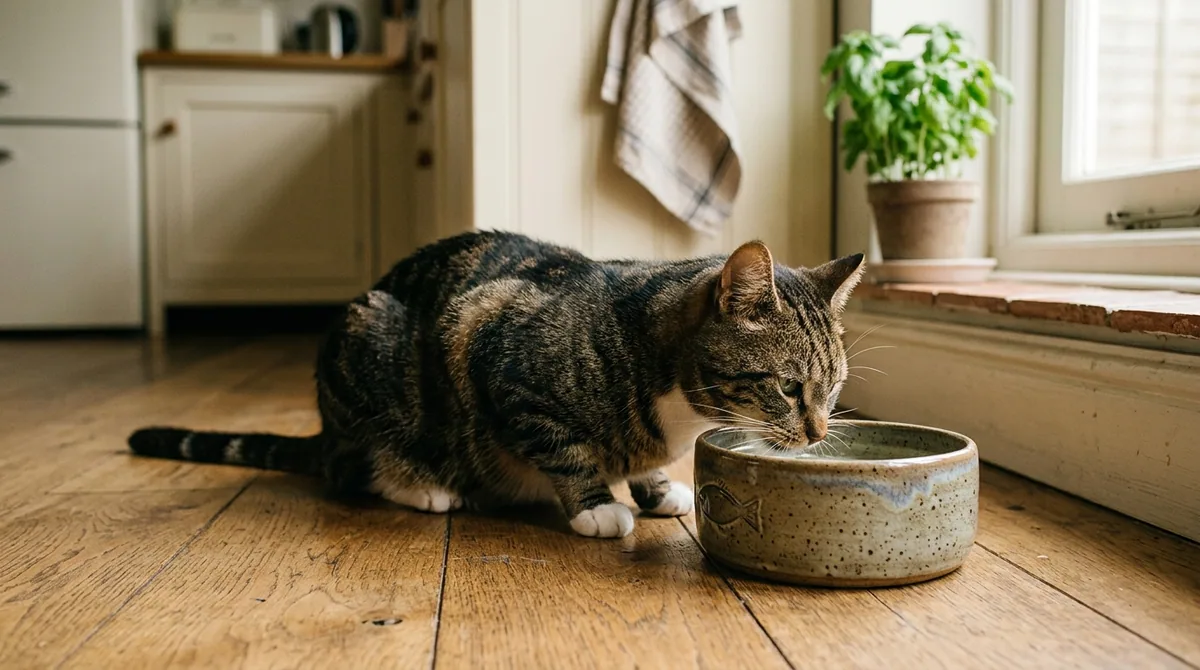
- Rapidly Drained Water Bowls: Cats visit water bowls constantly, lap from running faucets, or drink from shower floors.
- Huge, Heavy Litter Clumps: The litter box fills with oversized, sodden clumps; the urine may feel sticky on paws due to excreted sugar.
2. Muscle Wasting and Coat Changes
- Spine Prominence: The lumbar spine and hip bones feel sharp and depleted of muscle beneath the skin, even if the belly retains a fat pad.
- Dull, Flaky Coat: Grooming diminishes; the coat appears greasy, unkempt, and peppered with dry white dander across the lower back.
3. Diabetic Neuropathy (Hock-Walking)
Present in roughly 10% of cats at diagnosis:
- The cat walks with its entire metatarsal region (hocks) touching the floor.
- Hind limbs appear weak, wobbling when standing or attempting to climb stairs.
- With tight glycemic control and methylcobalamin (active B12) supplementation, nerve conduction and motor strength generally return to normal over several months.
---
Diagnostic Protocol
Accurate diagnosis must never rely solely on a single random blood glucose check at the vet hospital. Felines exhibit dramatic stress hyperglycemia, easily spiking blood glucose past 300 mg/dL simply from fear during transport.
A comprehensive diagnostic workup includes:
- Serum Fructosamine Test: Measures glucose molecules irreversibly bound to plasma albumin over the preceding 2 to 3 weeks, definitively differentiating sustained diabetic hyperglycemia from transient clinic stress.
- Complete Urinalysis: Confirms glucose in urine (glucosuria), rules out secondary bacterial urinary tract infections (highly prevalent due to sugar in the bladder), and checks for urinary ketones.
- Full Biochemical Profile & Kidney Screening: Evaluates liver enzymes, electrolytes, and rules out concurrent chronic kidney disease or subclinical pancreatitis.
---
Nutritional Foundation: Low-Carbohydrate Carnivore Diet
Cats are obligate carnivores whose natural ancestral diet (small mammals and birds) delivers roughly 50–60% protein, 35–40% fat, and under 3–5% carbohydrates.
Dietary Requirements for Diabetic Cats
- Protein Content: >45–50% of metabolizable energy from high-quality animal sources.
- Carbohydrate Limit: <10–12% of metabolizable calories (ideally <8%).
- Elimination of Dry Kibble: Standard commercial dry foods contain 25–45% starch/carbohydrate binders required for kibble extrusion. These high-starch foods provoke massive postprandial glucose spikes that perpetuate pancreatic exhaustion.
- Canned/Wet Food Superiority: High-protein, grain-free wet pâté significantly reduces insulin requirements within days, supporting higher remission rates.
> [!WARNING]
> Hypoglycemia Risk with Diet Changes: If your cat is already receiving insulin, never switch from dry kibble to low-carb wet food abruptly without veterinary oversight. The dietary carb reduction can lower blood glucose so dramatically that the existing insulin dose could trigger fatal hypoglycemia. Doses must be reduced proactively under glucose monitoring.
---
Insulin Therapy and Home Blood Glucose Monitoring
Most diabetic felines require twice-daily subcutaneous insulin injections every 12 hours:
1. Recommended Insulin Types
- Glargine (Lantus) & Detemir (Levemir): Long-acting human synthetic analogues recommended as gold standards by the American Animal Hospital Association (AAHA) and ISFM. They produce flat, prolonged glucose curves and the highest clinical remission rates.
- ProZinc (Recombinant Human Protamine Zinc): Specifically FDA- and EMA-approved for feline diabetes, offering intermediate-to-long 12-hour action.
2. Home Blood Glucose Monitoring
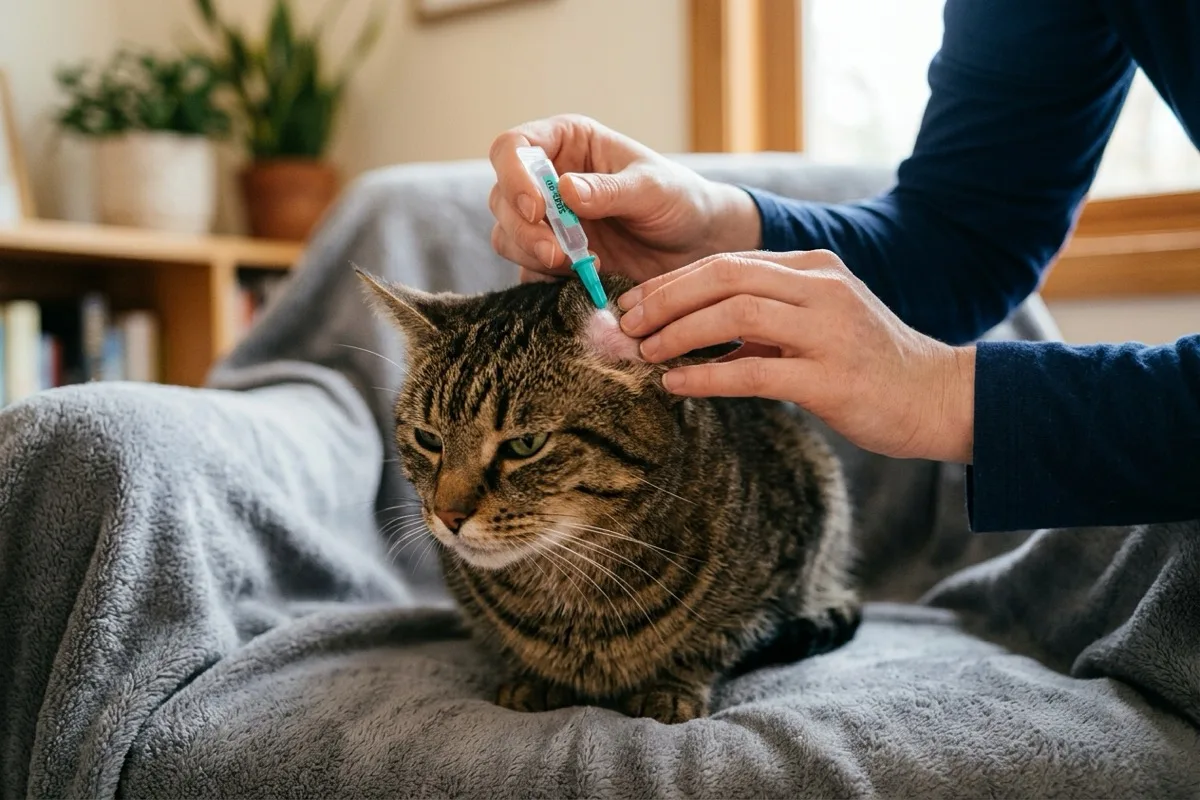
Testing blood glucose at home using an ear-prick capillary sample on an animal-calibrated glucometer (or continuous glucose sensors like FreeStyle Libre) is far superior to hospital testing:
- Eliminates stress-induced spikes.
- Prevents accidental overdose (do not inject if pre-shot glucose is under 150–180 mg/dL unless instructed by your vet).
- Empowers owners to catch remission early as insulin needs decline.
---
Acute Medical Crises: Hypoglycemia vs. DKA
1. Hypoglycemia (Dangerously Low Sugar: <50–60 mg/dL)
Triggered by insulin overdose, missed meals, or spontaneous pancreatic recovery.
- Signs: Restlessness, wobbly drunken gait, dilated pupils, glazed eyes, shivering, vocalization, seizures, or loss of consciousness.
- Emergency Action: Immediately rub honey, maple syrup, or glucose gel onto the gums (never pour liquid down the throat if unconscious). Once stable, seek immediate emergency veterinary attention.
2. Diabetic Ketoacidosis (DKA)
A severe, life-threatening metabolic collapse from prolonged insulin deficiency where the body burns fats excessively, accumulating acidic ketone bodies.
- Signs: Complete anorexia, severe vomiting, rapid heavy breathing, profound lethargy, and acetone breath odor. Requires immediate ICU hospitalization with IV fluid therapy and constant regular insulin infusions.
---
The Gold Standard Goal: Diabetic Remission
Remission means the feline pancreas has recovered sufficient beta-cell mass and insulin sensitivity to maintain normal blood glucose levels without insulin injections.
Key Pillars to Achieve Remission:
- Early Aggressive Treatment: Initiating tight glycemic control within the first 3 to 6 months post-diagnosis halts beta-cell glucose toxicity.
- Long-Acting Insulin Protocol (Glargine or ProZinc).
- Strict Low-Carbohydrate Wet Diet (<10% calories).
- Gradual Weight Optimization: Shedding excess visceral fat reverses insulin resistance.
---
Frequently Asked Questions (FAQ)
What is the life expectancy of a cat with diabetes?
With consistent insulin therapy, a low-carb diet, and blood glucose monitoring, a diabetic cat has the same life expectancy as a non-diabetic cat. Cats diagnosed at 9 or 10 years old routinely live into their late teens.
When should I feed my cat in relation to insulin?
Insulin is typically given every 12 hours (e.g., 8:00 AM and 8:00 PM). Always feed your cat right before or during the injection to ensure they have an adequate food intake before the insulin begins lowering blood sugar.
Are there oral medications instead of insulin injections?
Recently approved SGLT2 inhibitors (such as velagliflozin / Senvelgo and bexagliflozin) are once-daily oral liquid/tablet therapies approved for select newly diagnosed diabetic cats that have never received insulin and do not have ketoacidosis. They require strict veterinary screening and regular ketone monitoring.
---
Veterinary Clinical References
- AAHA (2022): Diabetes Management Guidelines for Dogs and Cats, J Am Anim Hosp Assoc.
- ISFM (2015): Consensus Guidelines on the Practical Management of Diabetes Mellitus in Cats, J Feline Med Surg.
- Roomp, K. & Rand, J. (2012): Evaluation of Intensive Insulin Protocols in Diabetic Cats, J Feline Med Surg.
- Behrend, E. et al. (2018): Diagnosis and Management of Feline Endocrine Disorders, Compend Contin Educ Vet.
Caring for a cat? Keep their health in your pocket
Register your cat on Nekolife to track vaccination history, weight, and get advice from loving cat parents.
- Vaccine & weight records
- Supportive cat community
- Earn Meow Points & badges
Related pages

Know someone who needs this?