Systemic Hypertension in Cats: The Silent Killer, Target Organ Damage, and Care
Systemic hypertension is one of the most perilous conditions affecting cats over nine years of age. Often referred to by feline practitioners as the "silent killer," elevated blood pressure develops quietly without obvious external symptoms until it inflicts catastrophic injury on vital organs.
In this guide
1. Feline Blood Pressure Reference Ranges
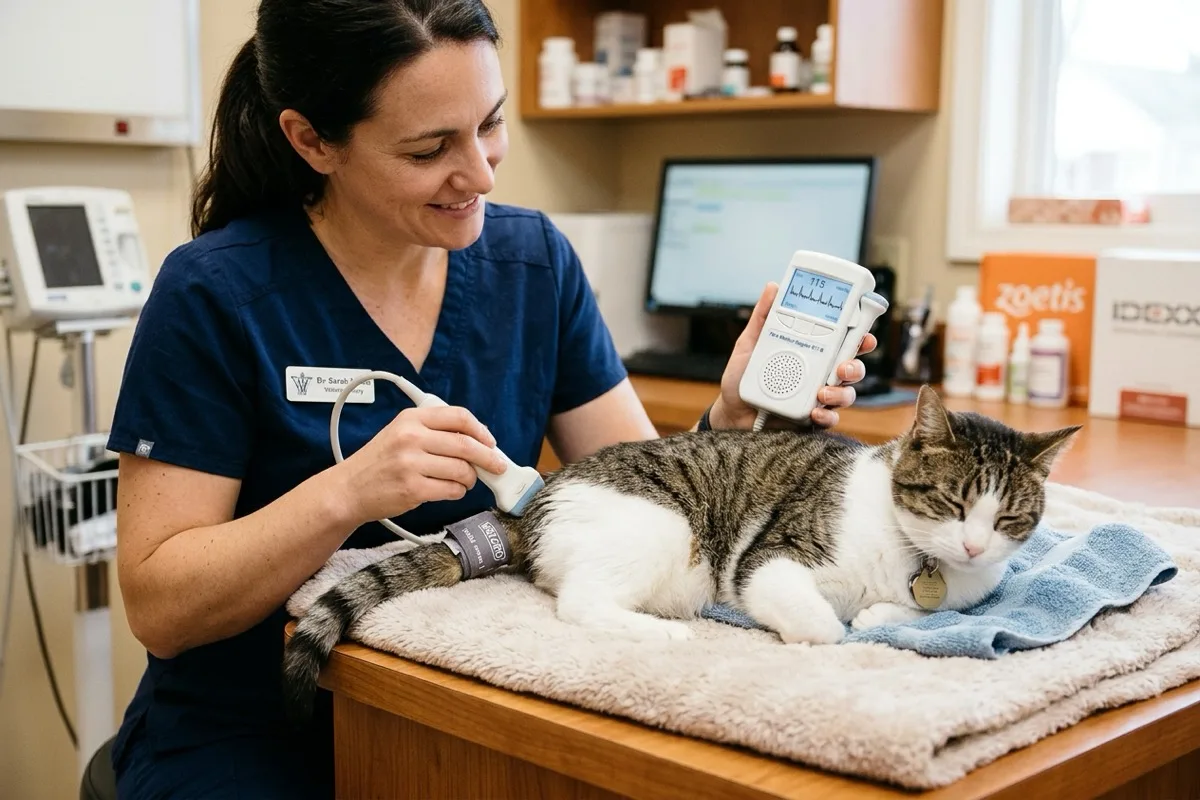
Blood pressure is measured using non-invasive Doppler ultrasonography or high-definition oscillometry (HDO) using a small cuff on the tail or foreleg in a quiet, low-stress room:
| Systolic BP (SBP) | Clinical Classification | Target Organ Damage Risk | Recommended Action |
|---|---|---|---|
| < 140 mmHg | Normotensive | Minimal | Annual screening |
| 140 – 159 mmHg | Prehypertensive | Low | Recheck within 2–3 months |
| 160 – 179 mmHg | Hypertensive | Moderate | Initiate antihypertensive treatment |
| ≥ 180 mmHg | Severe Hypertension | Extreme / Critical | Emergency therapy to prevent blindness/stroke |
---
2. Four Vulnerable Target Organs (TOD)
Fragile microvascular capillary beds are most vulnerable to hydrostatic pressure:
- Eyes: Fragile choroidal vessels burst, leaking transudate behind the delicate retina until it tears and detaches from the retinal pigment epithelium.
- Kidneys: High intra-glomerular pressure destroys filtration nephrons, escalating protein loss and worsening chronic renal insufficiency.
- Brain: Vascular leakage and hypertensive encephalopathy produce signs easily mistaken for feline dementia or cognitive dysfunction, including wobbly gait, night screaming, and seizures.
- Heart: The left ventricle thickens compensatorily to overcome peripheral vascular resistance, leading to cardiac murmurs and gallop rhythms.
---
3. Subtle Warning Signs at Home
Before complete visual collapse occurs, cats may show discrete behavioral indicators of vascular headache and pain, as described in how to tell if a cat is in pain:
- Fixed dilated pupils: Abnormally enlarged pupils even under sunlight.
- Intraocular blood: A cloudy or red appearance in the iris or front eye chamber.
- Lethargy: Withdrawal into dark corners to escape light.
- Hesitant navigation: Reluctance to jump off beds or knocking into chair legs.
---
4. When to Seek Emergency Veterinary Care
Seek urgent veterinary evaluation if you observe:
- Sudden dilation of both pupils accompanied by walking into furniture.
- Loss of balance, sudden head tilt, or seizure activity.
- Open-mouth panting or labored breathing (risk of congestive heart failure).
Find 24/7 critical care clinics in our directory of emergency veterinary clinics.
---
Scientific Sources and Evidence
- ISFM: Consensus Guidelines on the Diagnosis and Management of Feline Systemic Hypertension (JFMS).
- ACVIM: Consensus Statement: Guidelines for the Identification, Evaluation, and Management of Systemic Hypertension in Dogs and Cats.
Caring for a cat? Keep their health in your pocket
Register your cat on Nekolife to track vaccination history, weight, and get advice from loving cat parents.
- Vaccine & weight records
- Supportive cat community
- Earn Meow Points & badges
Related pages

Know someone who needs this?