Hypokalemia in Cats: Low Potassium & Cervical Ventroflexion
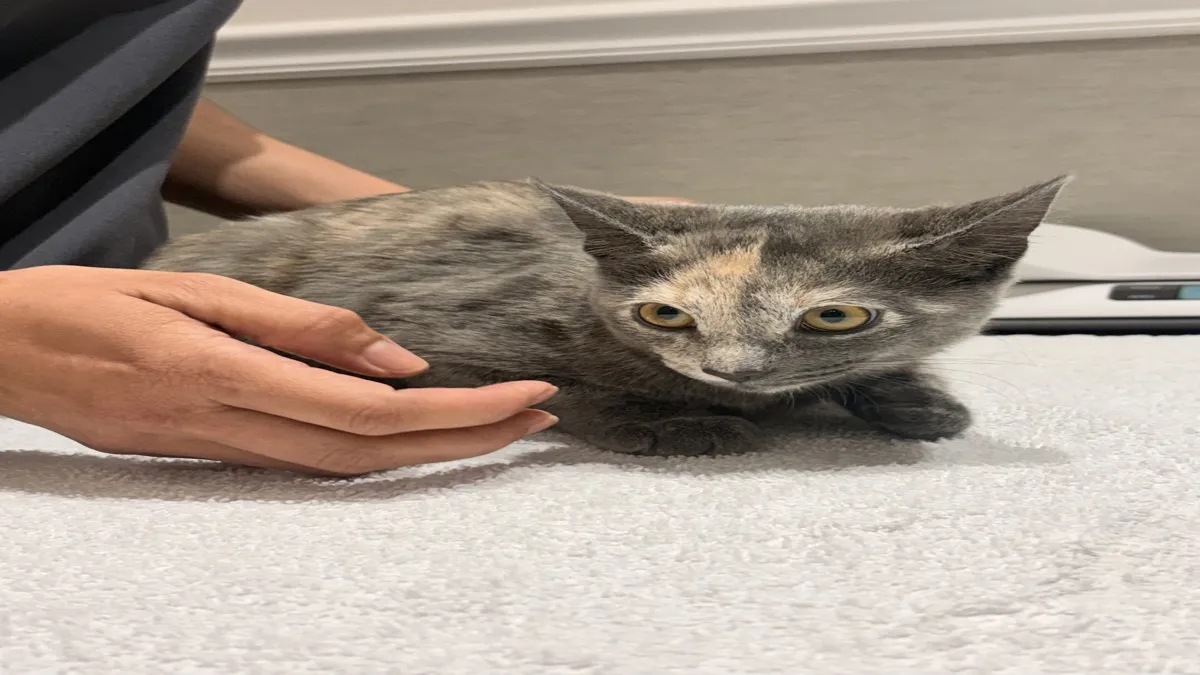
Hypokalemia in cats (defined as a serum potassium concentration below 3.5 mEq/L) is a critical electrolyte disturbance that directly impairs skeletal muscle contractility and cardiac conduction. In felines, severe potassium depletion produces a classic and pathognomonic clinical posture known as cervical ventroflexion, wherein the cat is unable to lift its head, causing the chin to rest against the sternum due to profound weakness of the cervical dorsal muscles.
In this guide
1. What Is Hypokalemia and Why Are Cats Uniquely Affected?
Potassium (K+) is the predominant intracellular cation, responsible for maintaining resting membrane potential in neuromuscular and cardiac tissues. Normal feline serum potassium ranges from 3.5 to 5.5 mEq/L.
When levels drop below 3.0 mEq/L, cell membranes become hyperpolarized, preventing normal electrical depolarization and muscular contraction. Because cats lack the fibroelastic nuchal ligament found in dogs and horses, active muscular exertion is solely responsible for head elevation; once those muscles fail, the head droops completely.
---
2. Primary Etiologies in Feline Medicine
Multiple disease processes exhaust systemic potassium stores:
- Chronic Kidney Disease (CKD): The leading culprit. Impaired renal tubular cells lose the capacity to reabsorb potassium, wasting it into the urine alongside polyuria.
- Diuretic Therapy: Loop diuretics like furosemide, commonly prescribed for congestive heart failure, dramatically increase urinary potassium excretion.
- Diabetic Ketoacidosis (DKA) Management: Intravenous insulin shifts extracellular potassium directly into cells, precipitating a dangerous serum drop if not aggressively supplemented.
- Gastrointestinal Losses: Chronic vomiting and severe diarrhea deplete potassium-rich digestive secretions.
---
3. Clinical Presentation: Cervical Ventroflexion and Myopathy
The physical exam reveals characteristic neuromuscular deficits:
- Cervical Ventroflexion: The cat stands or crouches with the head flexed downwards, chin resting on the sternum or floor, physically incapable of looking upwards or drinking from a bowl.
- Plantigrade Posture and Weakness: Dropping of the hocks so the lower hindlegs rest flat on the floor, wobbling gait, muscle fasciculations, and inability to jump.
- Systemic Complications: Severe lethargy, anorexia, obstinate constipation from intestinal paralytic ileus, dysphagia (swallowing failure), and shallow hypoventilation.
---
4. Diagnostic Workup and Emergency Testing
Prompt clinical evaluation is necessary:
- Serum Electrolyte Panel: Immediate determination of K+ concentrations (< 3.5 mEq/L indicates hypokalemia; < 2.5 mEq/L represents a critical medical emergency).
- Renal Profile and Urinalysis: Monitoring BUN, creatinine, phosphorus, and urine specific gravity to stage underlying kidney disease.
- Electrocardiography (ECG): Severe hypokalemia displays flattened or inverted T waves, prolonged PR and QT intervals, and ventricular dysrhythmias.
---
5. Treatment Protocol: Inpatient Infusion and Long-Term Care
Restoring electrolyte balance requires precise clinical calculation:
- Intravenous KCl Supplementation: Potassium chloride is added to balanced crystalloids based on standard sliding scales. Crucial Rule: The rate of IV potassium infusion must strictly remain under 0.5 mEq/kg/hour to avoid triggering fatal hyperkalemic ventricular arrest.
- Transition to Oral Potassium Gluconate: Once the acute crisis resolves and normal swallowing returns, long-term oral potassium gluconate gel or powder is prescribed for chronic kidney patients.
- Serial Electrolyte Monitoring: Rechecking electrolytes every 6 to 12 hours ensures steady normalization and complete resolution of cervical ventroflexion.
---
Scientific Sources and References
- International Feline Medicine (ISFM) - Chronic Kidney Disease Guidelines. https://icatcare.org/advice/feline-chronic-kidney-disease
- Merck Veterinary Manual - Hypokalemia in Animals. https://www.merckvetmanual.com/circulatory-system/electrolyte-disturbances/hypokalemia
- American Association of Feline Practitioners (AAFP) - Fluid and Electrolyte Therapy. https://catvets.com
Caring for a cat? Keep their health in your pocket
Register your cat on Nekolife to track vaccination history, weight, and get advice from loving cat parents.
- Vaccine & weight records
- Supportive cat community
- Earn Meow Points & badges
Related pages

Know someone who needs this?