Feline Pulmonary Edema: Respiratory Distress, Causes and Critical Management
Feline pulmonary edema is an acute, life-threatening accumulation of fluid within the alveolar sacs and interstitium of the feline lungs, effectively drowning the cat from within. Because cats instinctively mask respiratory impairment until the point of decompensation, a cat displaying open-mouth breathing or gasping is experiencing a top-tier medical emergency where physical stress or restraint can cause sudden fatal arrest.
In this guide
1. Pathophysiology: How Fluid Floods Feline Lungs
Pulmonary edema develops when pulmonary capillary hydrostatic pressure markedly exceeds intravascular oncotic pressure, or when capillary permeability breaks down. Plasma fluid leaks across the capillary endothelium into the interstitium and alveoli.
Flooded alveoli cannot participate in gas exchange, generating severe ventilation-perfusion mismatch, profound hypoxemia, hypercapnia, and intense internal respiratory distress.
---
2. Primary Triggers: Cardiogenic vs Non-Cardiogenic Edema
Determining the root cause dictates immediate and long-term stabilization:
- Cardiogenic edema (> 80%): Most commonly driven by occult hypertrophic cardiomyopathy (HCM). Severe left ventricular diastolic dysfunction elevates left atrial pressures, congesting pulmonary veins until fluid extravasates.
- Non-cardiogenic edema: Triggered by electrical injury (biting household power cords in inquisitive kittens), severe head trauma, smoke inhalation in house fires, near-drowning, or Acute Respiratory Distress Syndrome (ARDS) secondary to systemic sepsis.
---
3. Critical Symptoms: The Cat Gasping for Life
Cats rarely cough when in heart failure; instead, they exhibit distinctive distress postures:
- Open-mouth breathing: The hallmark sign of feline respiratory exhaustion.
- Orthopneic stance: The cat crouches in a 'sphinx' posture with front legs abducted and head/neck rigidly extended forward to maximize airway caliber.
- Cyanosis: Mucous membranes, tongue, and paw pads turn pale slate or bluish-purple from severe hypoxemia.
- Crackles and rales: Fine crackles may be heard on auscultation, alongside rapid abdominal respiratory effort (> 60 breaths/min in resting posture).
---
4. Emergency Veterinary Triage Protocol
Veterinarians follow strict low-stress emergency protocols for dyspneic cats:
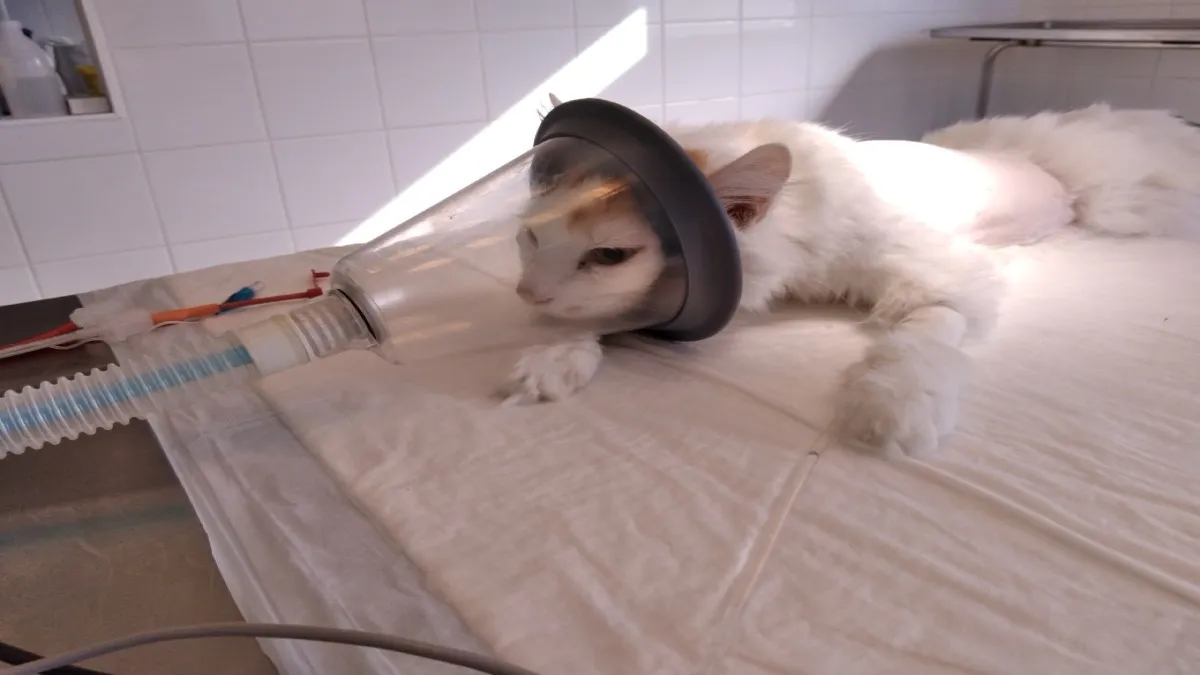
- Low-stress oxygen therapy: Immediate placement in an oxygen cage (40–50% FiO2) or gentle flow-by oxygen without physical restraint.
- Emergency loop diuretics: Intravenous or intramuscular boluses of furosemide (2–4 mg/kg) administered promptly to unload pulmonary vasculature through brisk diuresis.
- Light anxiolytic sedation: Low-dose butorphanol relieves panic without suppressing the respiratory drive.
- Point-of-Care Ultrasound (TFAST/POCUS): A rapid, non-stressful chest ultrasound visualizes vertical 'B-lines' (ultrasound lung comets) confirming alveolar flooding before taking risky radiographs.
---
5. Long-Term Management and At-Home Monitoring
Following acute hospital discharge, lifelong cardiac management prevents relapse:
- Comprehensive echocardiography: Determines structural cardiomyopathy architecture to guide targeted maintenance therapy (pimobendan, torsemide, clopidogrel, or ACE inhibitors).
- Sleeping Respiratory Rate (SRR): Owners must count breaths per minute while the cat is sound asleep. A resting rate consistently under 30 breaths/min indicates stability; persistent spikes above 30 bpm warn of impending decompensation.
---
Scientific Sources and References
- Kittleson, M. D., & Kienle, R. D. (1998). Small Animal Cardiovascular Medicine. Mosby, St. Louis.
- Fox, P. R., et al. (2018). International Renal and Cardiovascular Consensus on Feline Cardiomyopathy. Journal of Feline Medicine and Surgery, 20(4), 302-315.
- Gizzi, A. B., et al. (2017). Evaluation of lung ultrasound in cats with respiratory distress. Journal of Veterinary Emergency and Critical Care, 27(4), 415-422.
- Silverstein, D. C., & Hopper, K. (2014). Small Animal Critical Care Medicine, 2nd ed. Elsevier.
Caring for a cat? Keep their health in your pocket
Register your cat on Nekolife to track vaccination history, weight, and get advice from loving cat parents.
- Vaccine & weight records
- Supportive cat community
- Earn Meow Points & badges
Related pages
Know someone who needs this?