European Shorthair Cat: Complete Breed Guide, Natural Health and Care
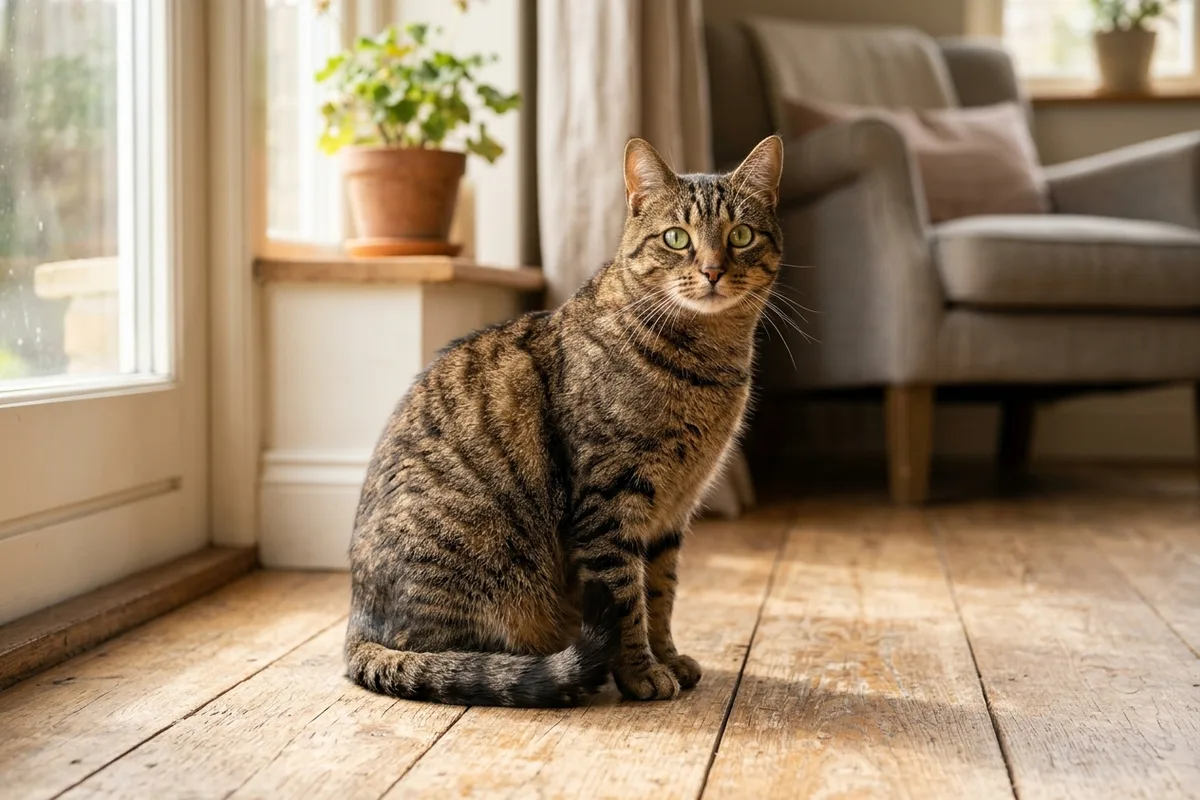
The European Shorthair —known colloquially as the domestic shorthair or classic tabby cat— is the quintessential feline companion in millions of homes worldwide. Representing more than 75% of the global domestic cat population, this magnificent animal is far from ordinary: it is the direct descendant of the revered felines that guarded the grain stores of ancient Rome and early Mediterranean civilizations. Blessed with exceptional natural health forged by centuries of natural selection, a razor-sharp intellect, and remarkable adaptability, the European Shorthair proves that nature remains the world's finest breeder.
In this guide
1. History and Origin: The Legionary's Trusted Companion
Unlike modern designer breeds created in 19th-century catteries, the European Shorthair possesses an ancient heritage shaped by survival and companionship:
- Arrival in Europe: Ancestors of the domestic cat reached southern European shores over 3,000 years ago via maritime trade routes established by Phoenician and Greek merchants.
- Expansion with Roman Legions: Roman armies adopted these cats as indispensable military companions, taking them on expeditions across Gaul, Britannia, and Germania to protect food supplies from rodents.
- Rigorous Natural Selection: For centuries, only the hardiest, smartest, and most resilient cats survived European winters. This continuous natural trial weeded out genetic weaknesses.
- Official Recognition: In 1982, FIFe officially separated the European Shorthair from the British Shorthair, recognizing it as the continental indigenous breed.
```
┌─────────────────────────────────────────────────────────────┐
│ EUROPEAN SHORTHAIR TIMELINE: │
│ │
│ • 1000 BCE : Phoenicians introduce cats to Mediterranean │
│ • 1st Cent.: Roman legions distribute cats across Europe │
│ • Medieval : Natural survival as legendary barn mousers │
│ • 1982 : FIFe establishes the European Shorthair breed │
│ • Today : The world's most cherished and popular cat │
└─────────────────────────────────────────────────────────────┘
```
---
2. Physical Characteristics and Morphological Standard
The European Shorthair is an athletic, medium-to-large cat with no exaggerated features:
| Physical Trait | Veterinary Standard | Living Notes |
|---|---|---|
| Adult Weight | Males: 4.5 – 6.5 kg (10 – 14 lbs) · Females: 3.5 – 5 kg (7.7 – 11 lbs) | Muscular, solid, well-boned build |
| Head | Gently rounded, slightly longer than wide | Well-developed cheeks in mature males |
| Eyes | Round, expressive, set slightly obliquely | Amber, green, hazel, or clear blue |
| Ears | Medium-sized, upright with gently rounded tips | Exceptional directional hearing |
| Coat | Short, dense, glossy, lying close to the body | Protective undercoat without matting |
| Tail & Legs | Strong, medium length, tail tapering to a rounded tip | Agile, natural climbing ability |
---
3. Temperamento: Emotional Balance and Practical Intelligence
The European Shorthair is renowned for its emotional equilibrium. Because it was never selectively bred for extreme lethargy or hyper-dependence, it retains an authentic feline spirit:
* Affectionate Independence: It genuinely loves human companionship, lap snuggles, and chin scratches, yet tolerates alone time gracefully without developing severe separation anxiety.
* Problem-Solving Intellect: Masters of environmental navigation, these cats quickly learn to open latch doors, solve treat puzzles, and memorize feeding schedules.
* High Sociability: When socialized properly in early kittenhood (between 3 and 9 weeks), it thrives alongside children, cat-friendly dogs, and other cats.
* Lifelong Playfulness: It maintains a vibrant curiosity well into its senior years, keeping obesity and cognitive decline at bay.
For tips on introducing unfamiliar cats smoothly, consult our guide on reintroducing fighting cats.
---
4. Robust Health and Lifespan
The defining triumph of the European Shorthair is hybrid vigor. Thanks to its vast genetic pool, it is remarkably free from the hereditary scourges that afflict specialized breeds:
```
┌─────────────────────────────────────────────────────────────┐
│ HEALTH PROFILE: EUROPEAN SHORTHAIR VS. DESIGNER BREEDS │
│ │
│ European Shorthair: │
│ ✓ Natural hybrid vigor (Lifespan: 15 – 20 years) │
│ ✓ Free from breed-specific genetic mutations │
│ ✓ Resilient immune system and broad disease resistance │
│ │
│ Artificial Designer Breeds: │
│ ✗ Elevated risk of inherited diseases (HCM, PKD, asthma) │
│ ✗ Average lifespan: 11 – 14 years │
└─────────────────────────────────────────────────────────────┘
```
Essential Preventive Care
- Weight Management: Their efficient ancient metabolism can lead to weight gain in indoor apartments if free-fed high-carbohydrate dry food. Obesity can trigger feline diabetes.
- Renal and Urinary Care: After age 10, feline kidneys require dedicated support. Ample moisture and quality wet food help prevent chronic kidney disease and feline urinary issues.
- Early Neutering: Highly recommended before 6 months of age to prevent territorial spraying, roaming, and reproductive cancers. See our complete guide on neutering cats.
---
5. Daily Care, Nutrition, and Vertical Enrichment
Grooming and Fur Care
- A weekly 5-minute brushing session with a rubber grooming glove or soft bristle brush removes shed hairs and prevents hairballs (trichobezoars).
- Increase grooming to 2-3 times weekly during spring and autumn shedding seasons.
Wholesome Nutrition
- As strict obligate carnivores, cats require meals centered on real animal meat (>70% animal protein) with minimal starch.
- Combine premium dry food with daily wet food portions, or explore biologically adapted fresh options in our raw BARF diet guide for cats.
Vertical Territory Enrichment
European Shorthairs are natural athletes. Keep their indoor life stimulating with:
- Sturdy scratching posts to satisfy natural marking instincts (learn how to teach scratcher use).
- Window perches and cat trees to observe the outdoors safely.
- Interactive feather wand toys to engage their predatory drive.
---
6. Frequently Asked Questions
Is a European Shorthair simply a stray cat?
Not necessarily. While domestic street cats and European Shorthairs share ancestral genetics, a cat raised in a home or rescued early develops full domestic socialization, whereas a truly feral cat needs gradual behavioral desensitization.
Are tabby cats friendlier than other cats?
Tabby is a coat pattern, not a separate breed. However, studies show that because tabby cats carry the ancestral wildcat camouflage, they are confident, emotionally stable, and deeply bond with their human families.
Do they shed a lot of hair?
They have a moderate, manageable shed. Their short coat does not mat or tangle. With routine weekly grooming and Omega-3 fatty acids in their diet, shedding remains minimal.
---
Sources and Veterinary References
- Fédération Internationale Féline (FIFe): European Shorthair Breed Standard & History (Revised 2024).
- International Cat Care (iCatCare): Domestic Shorthair Cat Health, Longevity and Genetic Diversity Guidelines.
- The Cat Fanciers' Association (CFA): European Shorthair Breed Profile and Natural History.
- World Small Animal Veterinary Association (WSAVA): Global Nutritional & Preventive Guidelines for Domestic Felines.
Caring for a cat? Keep their health in your pocket
Register your cat on Nekolife to track vaccination history, weight, and get advice from loving cat parents.
- Vaccine & weight records
- Supportive cat community
- Earn Meow Points & badges
Related pages
Know someone who needs this?