The Japanese Bobtail Cat: Lucky Cat Heritage, Pom-Pom Tail Genetics, and Care
The Japanese Bobtail is an ancient, culturally treasured natural feline breed celebrated globally as the historic muse for Maneki-neko (the welcoming "lucky cat" figurine). Its defining hallmark is a unique pom-pom tail, resembling that of a rabbit. Governed by a completely benign autosomal recessive mutation, the Japanese Bobtail's tail structure involves no underlying skeletal or spinal deformities, making it exceptionally distinct and healthy compared to dominant tailless breeds like the Manx.
In this guide
Tail Genetics and the Sacred Mi-Ke Pattern
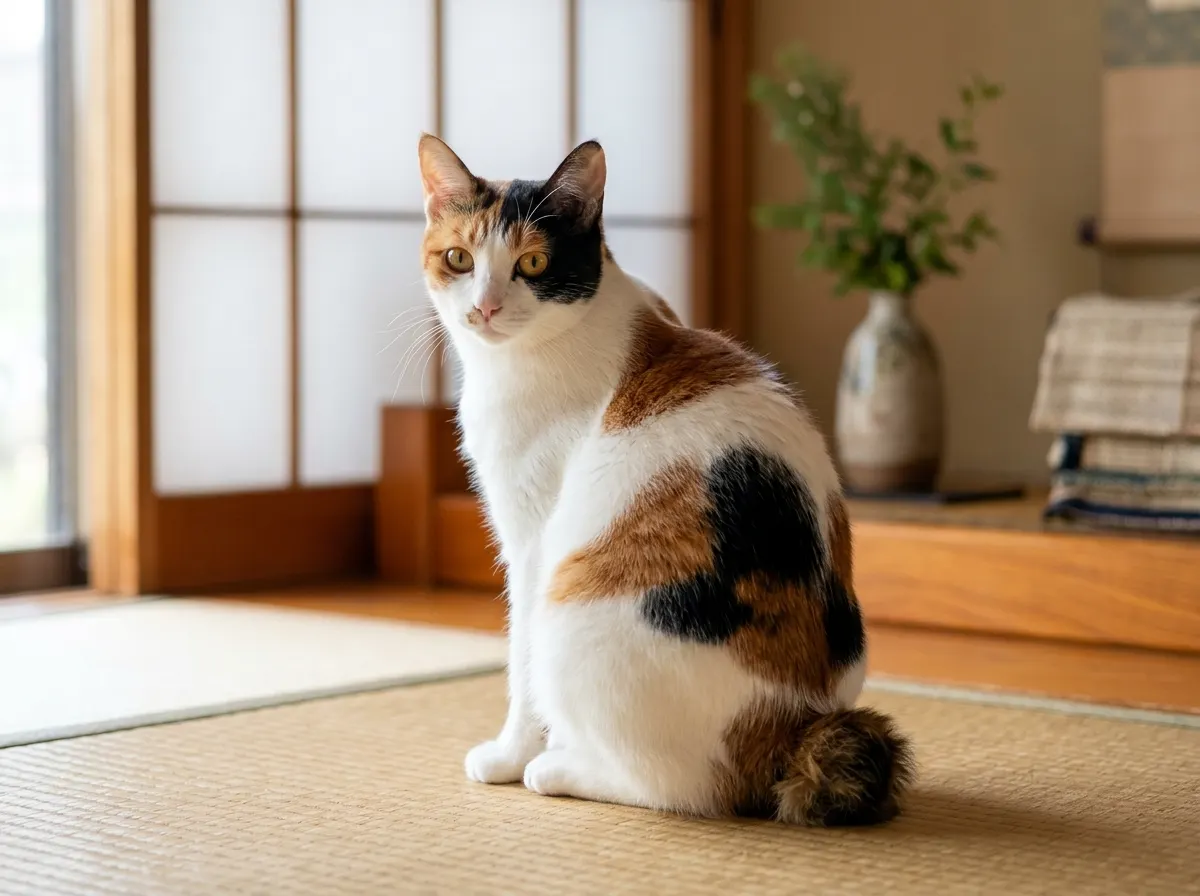
Every Japanese Bobtail possesses an individualized tail shape, consisting of fused curves and kinks measuring 2 to 4 inches in length with outward-fanning fur. While recognized in multiple coat patterns, the Mi-Ke (pure white adorned with distinct patches of bold red and jet black) is cherished as the ultimate emblem of prosperity.
Personality and Care
Renowned for their chirping, melodious vocalizations, these cats are outgoing, athletic, and fond of fetching toys. Because the tail bones are fused, the tail must always be handled gently without pulling. With little undercoat, weekly brushing suffices, and their hardy natural genetic background contributes to exceptional lifespans of 15 to 18 years.
Scientific Sources and References
- Robinson, R. (1991). Genetics for Cat Breeders and Veterinarians. Butterworth-Heinemann.
- The International Cat Association (TICA). Japanese Bobtail Breed Standard.
Caring for a cat? Keep their health in your pocket
Register your cat on Nekolife to track vaccination history, weight, and get advice from loving cat parents.
- Vaccine & weight records
- Supportive cat community
- Earn Meow Points & badges
Related pages
Know someone who needs this?