Selkirk Rex: The Charming Sheep-Coated Cat, Character and Genetics
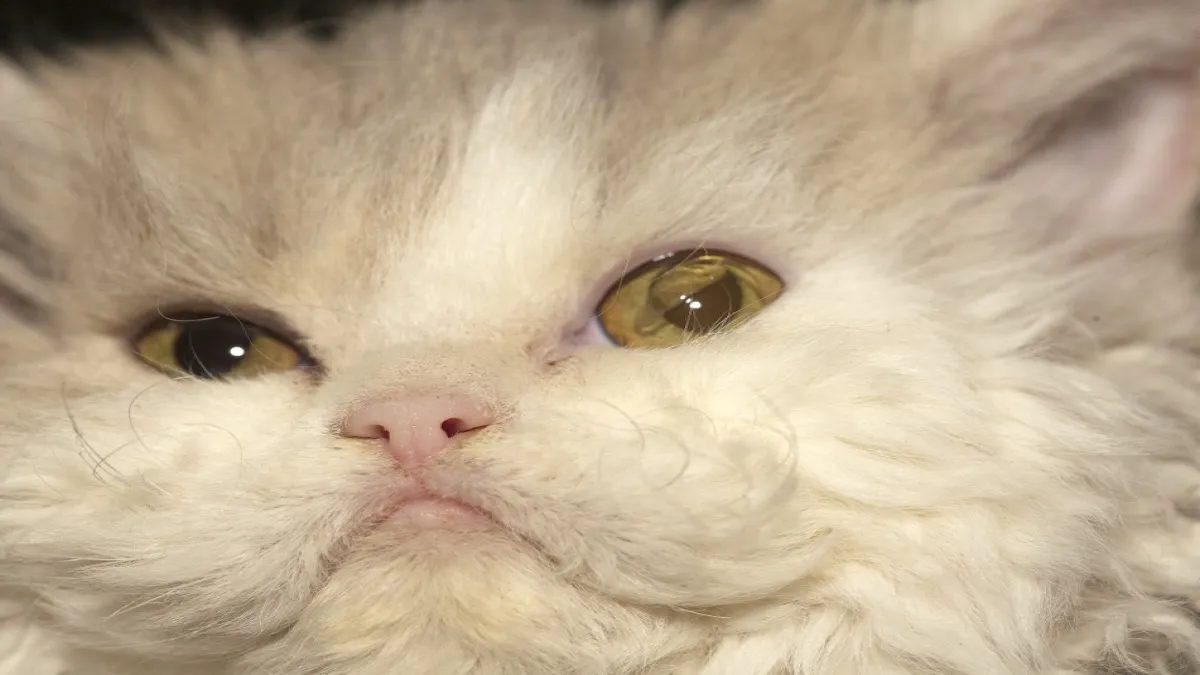
The Selkirk Rex, affectionately celebrated as the 'sheep cat', is one of the most visually captivating and endearing cat breeds in existence. Unlike the Devon Rex or Cornish Rex whose waves stem from recessive mutations, the plush, unstructured curls of the Selkirk Rex are governed by a dominant gene with incomplete penetrance, creating a wonderfully dense, teddy-bear coat reminiscent of a freshly shorn lamb.
In this guide
1. History & Origins: A Montana Shelter Discovery
The breed traces its origins to 1987 in an animal rescue center in Sheridan, Montana. A feral rescue cat gave birth to a litter containing a single female kitten with crinkled fur and curled whiskers, dubbed Miss DePesto.
Persian breeder Jeri Newman acquired the unique kitten and crossed her with a black Persian male. The resulting litter produced three curly kittens out of six, conclusively proving that the mutation was autosomal dominant. Newman named the new breed after the nearby Selkirk Mountains (and her stepfather), creating the only feline breed named after a person.
---
2. Physical Conformation and Coat Types
The Selkirk Rex is a robust, medium-to-large cat with a substantial, semi-cobby build, broad chest, and rounded head with full cheeks:
- Shorthair variety: Dense, springy coat standing away from the body with tight, plush curls especially evident on the neck, flanks, and belly.
- Longhair variety: Flowing, loose ringlets and soft corkscrew curls forming a lavish neck ruff and bushy curled tail.
- Curled whiskers: Whiskers and eyebrows are brittle and curled, identifying curly-coated kittens right from birth.
---
3. Personality: A Laid-Back, Affectionate Companion
The Selkirk Rex embodies patience and warmth. They are gentle, cuddly, and deeply attached to their families without being overly vocal or demanding.
Thanks to British and American Shorthair outcrossing, they exhibit fantastic resilience and tolerance, making them outstanding companions for bustling households with children and dogs. They enjoy interactive wand play but happily spend hours snoozing beside their people.
---
4. Coat Maintenance and Ear Hygiene
Grooming a curly-coated cat requires avoiding excessive brushing:
- Wide-toothed comb: Use a wide-toothed metal comb once or twice weekly. Never use slicker brushes or stiff bristle brushes, which frizz the coat and destroy the distinct ringlet formation.
- Ear cleaning: Similar to other Rex breeds, specialized follicular morphology predisposes to increased cerumen production; gentle weekly ear cleansing prevents wax accumulation.
- Bathing: Occasional baths with a moisturizing feline shampoo followed by towel-drying allow curls to spring back naturally.
---
5. Health Profiles and Preventative Screening
The Selkirk Rex is generally hardy with an average lifespan of 13 to 15 years. Ethical breeding programs screen for conditions common in ancestral foundation breeds:
- Polycystic Kidney Disease (PKD): DNA testing for the PKD1 gene avoids heritable renal cysts.
- Hypertrophic Cardiomyopathy (HCM): Periodic echocardiograms screen for heart muscle thickening.
- Periodontal health: Regular dental care preserves oral health in brachycephalic-leaning facial profiles.
---
Scientific Sources and References
- Gandolfi, B., et al. (2012). The Selkirk Rex coat mutation is caused by a splice site variant in KRT71. Mamm Genome, 23(7), 561-568.
- TICA. Selkirk Rex Breed Standard. The International Cat Association.
- Fogle, B. (2006). The Encyclopedia of the Cat. Dorling Kindersley.
Caring for a cat? Keep their health in your pocket
Register your cat on Nekolife to track vaccination history, weight, and get advice from loving cat parents.
- Vaccine & weight records
- Supportive cat community
- Earn Meow Points & badges
Related pages
Know someone who needs this?