Paracetamol Toxicity in Cats: Why It Is Fatal, Symptoms, and NAC Antidote Protocol
Acetaminophen (commonly sold as Tylenol or Paracetamol) is among the most ubiquitous household pain relievers for humans, yet in cats, it acts as a deadly, fulminant poison. Because felines lack the essential metabolic enzyme glucuronyl transferase, their bodies cannot safely process the drug; even a fraction of a pediatric tablet can trigger rapid methemoglobinemia, cellular suffocation, facial edema, and fatal liver collapse within hours.
In this guide
1. Pathophysiology: Why Cats Cannot Process Acetaminophen
In most mammals, the vast majority of acetaminophen is safely conjugated with glucuronic acid. In cats, this pathway is non-functional because feline UGT1A6 is a non-expressed pseudogene. Consequently, the drug shunts to the reactive intermediate NAPQI (N-acetyl-p-benzoquinona imine).
NAPQI rapidly depletes critical intracellular glutathione stores. The unchecked oxidant binds to hemoglobin molecules, oxidizing iron from the ferrous (Fe2+) to the ferric (Fe3+) state, generating non-functional methemoglobin that cannot release oxygen to tissues.
---
2. Timeline of Poisoning Symptoms
- 1 to 4 Hours: Severe lethargy, tachypnea, drooling, cyanotic or brownish mucous membranes, and respiratory distress.
- 4 to 12 Hours: Marked facial edema, swollen paws, hypothermia, and incoordination.
- 24+ Hours: Heinz-body hemolytic anemia, jaundice (icterus), dark brown or black urine (hemoglobinuria), and acute hepatic necrosis.
---
3. Immediate Action Plan for Pet Parents
- Do not induce vomiting at home: Household methods (hydrogen peroxide or salt) can cause fatal chemical aspiration or gastric rupture in felines.
- Rush to an emergency veterinary hospital: Bring the medication packaging so clinicians can calculate the precise dose ingested.
- Administer oxygen immediately: If available en route or in transit.
---
4. Hospital Protocol and NAC Antidote Administration
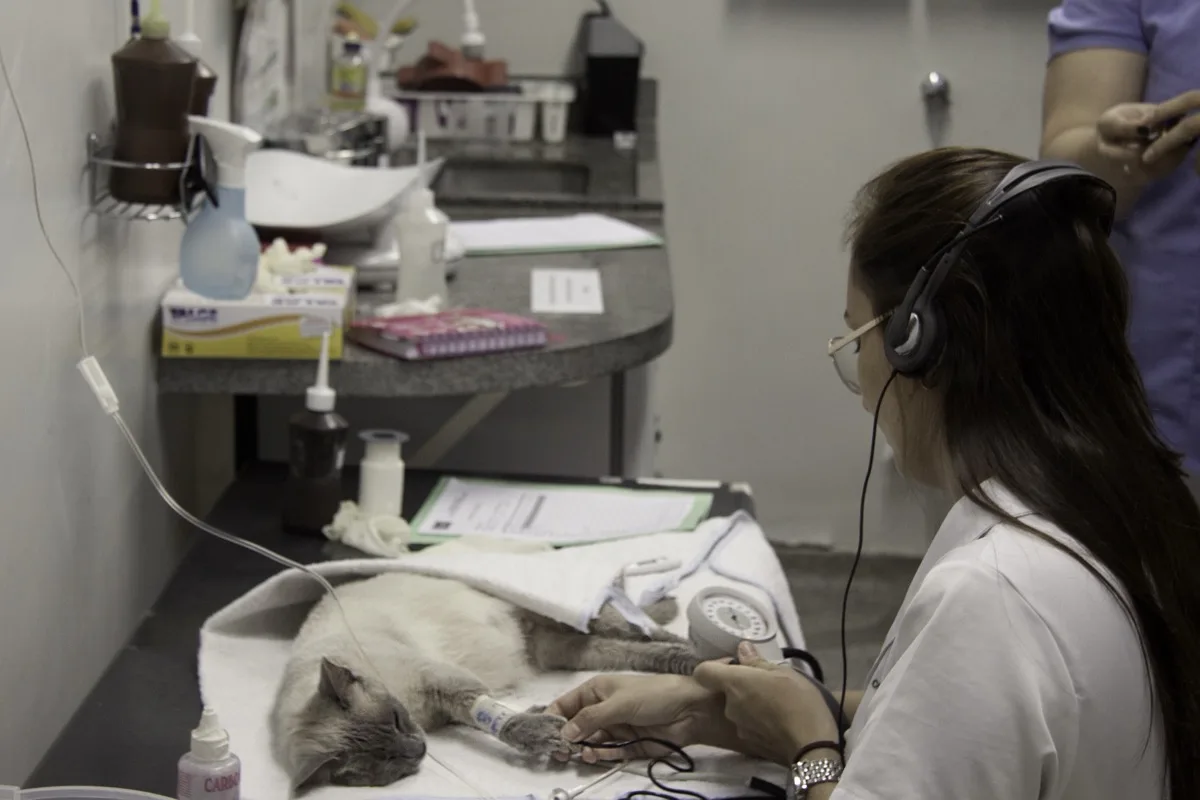
Veterinary intensive care revolves around the specific antidote N-acetylcysteine (NAC), given via IV loading dose followed by scheduled treatments to restore hepatic glutathione. Additional measures include cimetidine, ascorbic acid, IV fluid diuresis, and blood transfusions if severe hemolysis occurs.
---
Scientific Sources and References
- Richardson, J. A. (2000). Acetaminophen toxicosis in dogs and cats. Vet Clin North Am Small Anim Pract, 30(2), 433-446.
- Court, M. H., & Greenblatt, D. J. (2000). UGT1A6 is a pseudogene in domestic cats. JPET, 294(1), 317-323.
- McConkey, S. E., et al. (2002). Acetaminophen toxicosis in cats. JFMS, 4(4), 211-216.
Caring for a cat? Keep their health in your pocket
Register your cat on Nekolife to track vaccination history, weight, and get advice from loving cat parents.
- Vaccine & weight records
- Supportive cat community
- Earn Meow Points & badges
Related pages
Know someone who needs this?