Calico and Tortoiseshell Cats: Why 99% Are Female, X-Inactivation Genetics, and Temperament
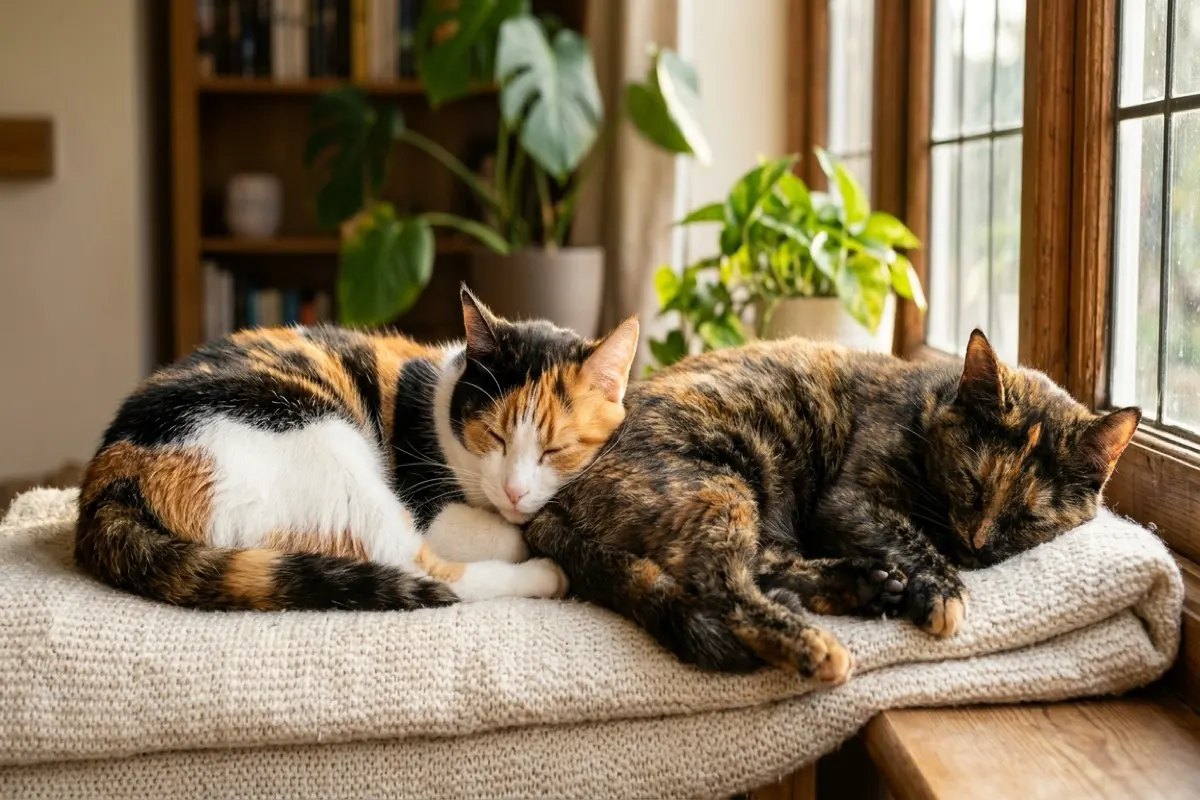
Calico (tri-color) and tortoiseshell (tortie) cats have enchanted pet lovers for centuries, heralded as symbols of good fortune in Japanese tradition and mystical protectors in Celtic folklore. Behind their intricate patched coats lies one of mammalian biology's most elegant mechanisms: random X-chromosome inactivation (lyonization).
In this guide
1. Coat Color Genetics: The X Chromosome and Lyonization
To understand how a cat inherits three distinct coat colors, we must examine sex-linked genetics:
- The Orange Locus (O): This dominant epistatic gene switches eumelanin (black/brown pigment) synthesis to pheomelanin (red/orange pigment).
- Heterozygous expression (XO/Xo): When a female kitten inherits an orange allele from one parent and a non-orange black allele from the other, she is heterozygous for coat color.
- Embryonic lyonization: Around the blastocyst stage of development, each cell permanently shuts down one of its two X chromosomes at random. Cell lineages descending from an inactivated orange-bearing X produce black hair, whereas lineages with an inactivated black-bearing X produce orange hair.
- The Piebald White Spotting Gene (S): When an autosomal white spotting gene (S) is present, it retards melanocyte migration to extremities, creating crisp white backgrounds on chest, belly, and paws (calico phenotype).
---
2. Rare Male Calicos: The XXY Syndrome and Chimerism
When a male calico kitten is born, his existence is governed by specialized chromosomal variations:
- Klinefelter Syndrome (XXY Karyotype): The male inherits an extra maternal or paternal X chromosome. With two X chromosomes present, his cells undergo lyonization, expressing black and orange patches alongside male anatomy.
- Infertility: In over 99% of XXY male calicos, testicular hypoplasia prevents viable sperm production, rendering them completely sterile.
- Genetic chimerism: In extremely rare circumstances, two fraternal twin embryos fuse within the feline uterus, producing a single individual with dual cell populations (such as XX/XY).
---
3. Does "Tortitude" Truly Exist? Behavioral Science
In the pet community, the term tortitude is widely used to describe a bold, feisty, and outspoken temperament in tortoiseshell and calico cats:
- The UC Davis Study (2016): Veterinary behaviorists surveyed over 1,200 cat guardians. The study revealed statistically significant associations between calico/tortie coat patterns and guardian-reported behaviors, including higher frequencies of vocal protest during handling, grooming sensitivity, and assertive play.
- Epigenetic theories: While developmental biologists have not proven a direct neurological pathway linking melanocyte distribution to brain neurochemistry, the shared embryological origin of melanocytes and neural crest cells remains an area of ongoing study.
- Individuality first: Early kitten socialization (between 2 and 7 weeks of age) exerts a vastly greater influence on adult personality than fur pigmentation.
---
4. Special Care Considerations for Calicos and Torties
Female calico and tortie cats boast standard feline lifespans and exhibit no inherent genetic health deficits:
- Male XXY cats: Require regular wellness checkups, as Klinefelter syndrome can predispose male cats to endocrine imbalances, reduced bone density, and metabolic sluggishness.
- Solar protection for white areas: Calico cats sporting unpigmented, pink-skinned white ears or noses lack protective epidermal melanin. Prolonged UV exposure can cause solar dermatitis and squamous cell carcinoma (skin cancer); consult your veterinarian regarding cat-safe sunscreen lotions.
---
Scientific References and Sources
- Journal of Applied Animal Welfare Science: The complexities of cat coat color and human perceptions of cat attitude and behavior (UC Davis).
- American Journal of Veterinary Research: Cytogenetic analysis and testicular histology in XXY male calico cats.
- Nature Genetics: Xist RNA and the molecular mechanism of random X-chromosome inactivation in mammals.
Caring for a cat? Keep their health in your pocket
Register your cat on Nekolife to track vaccination history, weight, and get advice from loving cat parents.
- Vaccine & weight records
- Supportive cat community
- Earn Meow Points & badges
Related pages
Know someone who needs this?