Feline Calicivirus (FCV): Symptoms, Painful Oral Ulcers, Strains, and Vaccines
Feline Calicivirus (FCV) is an extremely resilient and widespread RNA virus that, together with feline herpesvirus-1, accounts for the vast majority of feline upper respiratory infections ('cat flu'). Its hallmark clinical presentation is the appearance of excruciating ulcerative lesions on the tongue, hard palate, and gums, causing severe drooling and refusal to eat, with certain strains triggering transient joint pain ('limping kitten syndrome') or virulent systemic disease.
In this guide
1. Transmission and Viral Biology of FCV
Feline calicivirus is a non-enveloped virus that persists for up to a month on contaminated surfaces, bedding, and food bowls. It spreads through direct contact with ocular, oral, and nasal discharges, as well as fomites and aerosol droplets.
Due to the low fidelity of viral RNA polymerase, FCV exhibits immense antigenic diversity, which enables the virus to evade host immunity and establish persistent carrier states in recovered cats.
---
2. Clinical Signs: From Mild Ulcers to Systemic Vasculitis
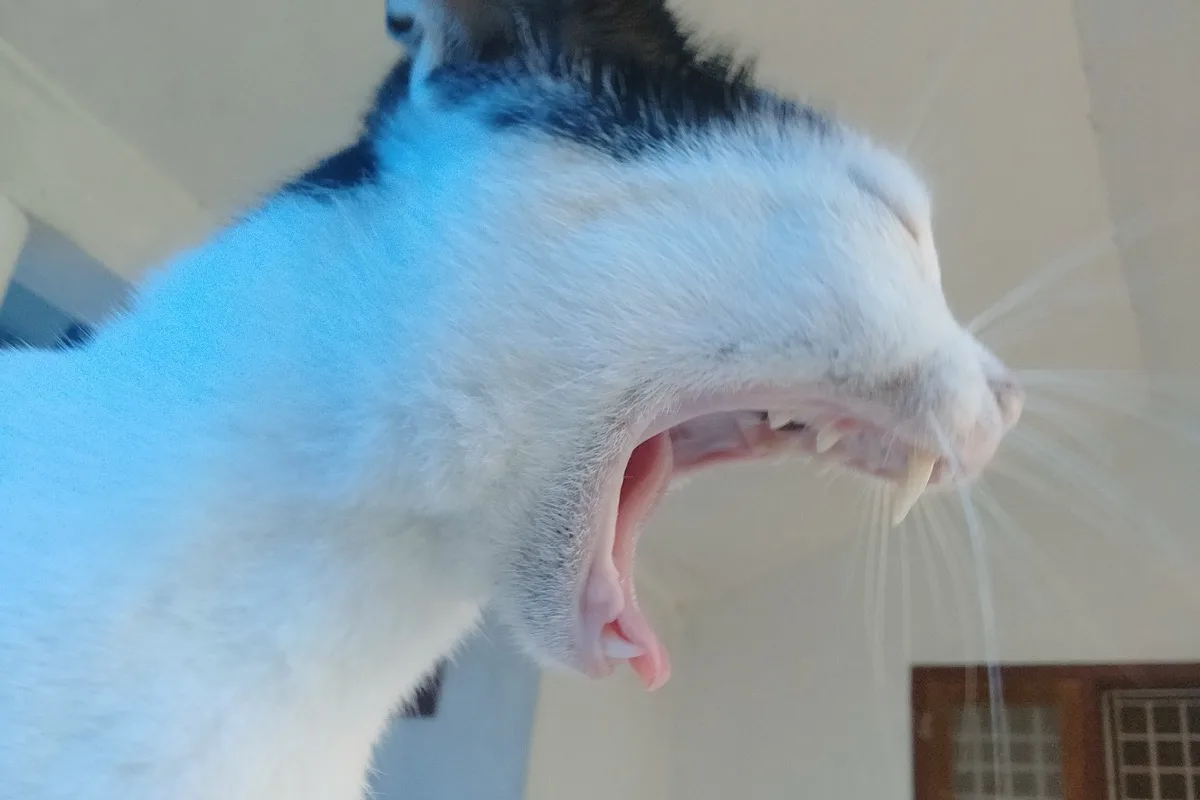
- Oral Ulcerations: Painful, erosive ulcers on the tongue tip, margins, and roof of the mouth with excessive thick drooling and jaw chattering.
- Mild Upper Respiratory Signs: Mild rhinitis and conjunctivitis, typically less ocularly destructive than herpesvirus.
- Transient Limping Syndrome: Shifting-leg lameness and reluctance to move occurring within days to weeks of initial respiratory signs.
- Virulent Systemic Disease (VS-FCV): Severe vasculitis, pitting facial/limb edema, crusting alopecic ulcerations on ears and paws, and multiorgan failure.
---
3. Veterinary Treatment and Supportive Care Protocols
Treatment focuses heavily on providing comfort and preventing dehydration:
- Superior Oral Analgesia: Sublingual buprenorphine is the frontline analgesic to eliminate burning mouth pain without injuring the digestive tract.
- Aromatic Nutritional Support: Warming wet food to body temperature to stimulate olfaction; blended recovery diets.
- Feeding Tube Placement: If anorexia exceeds 48 hours, an esophagostomy tube bypasses the painful oral cavity, delivering direct enteral nutrition.
---
4. Prevention, Core Vaccination, and Disinfection
The FCV core vaccine (part of the FVRCP trio recommended by AAFP and WSAVA) protects against severe disease manifestations. Because FCV lacks an envelope, standard alcohol and quaternary ammonium disinfectants are ineffective; environmental decontamination requires dilute sodium hypochlorite (bleach at 1:32) or potassium peroxymonosulfate solutions.
---
Scientific Sources and References
- Radford, A. D., et al. (2007). Feline calicivirus. Veterinary Research, 38(2), 319-335.
- Hurley, K. E., & Sykes, J. E. (2003). Update on feline calicivirus. Vet Clin Small Anim, 33(4), 759-772.
- ABCD Guidelines. Feline Calicivirus Infection Guidelines. ABCDcatvets.org, 2022.
Caring for a cat? Keep their health in your pocket
Register your cat on Nekolife to track vaccination history, weight, and get advice from loving cat parents.
- Vaccine & weight records
- Supportive cat community
- Earn Meow Points & badges
Related pages

Know someone who needs this?