Feline Tooth Resorption (FORL): Causes, Silent Oral Pain, and Dental Management
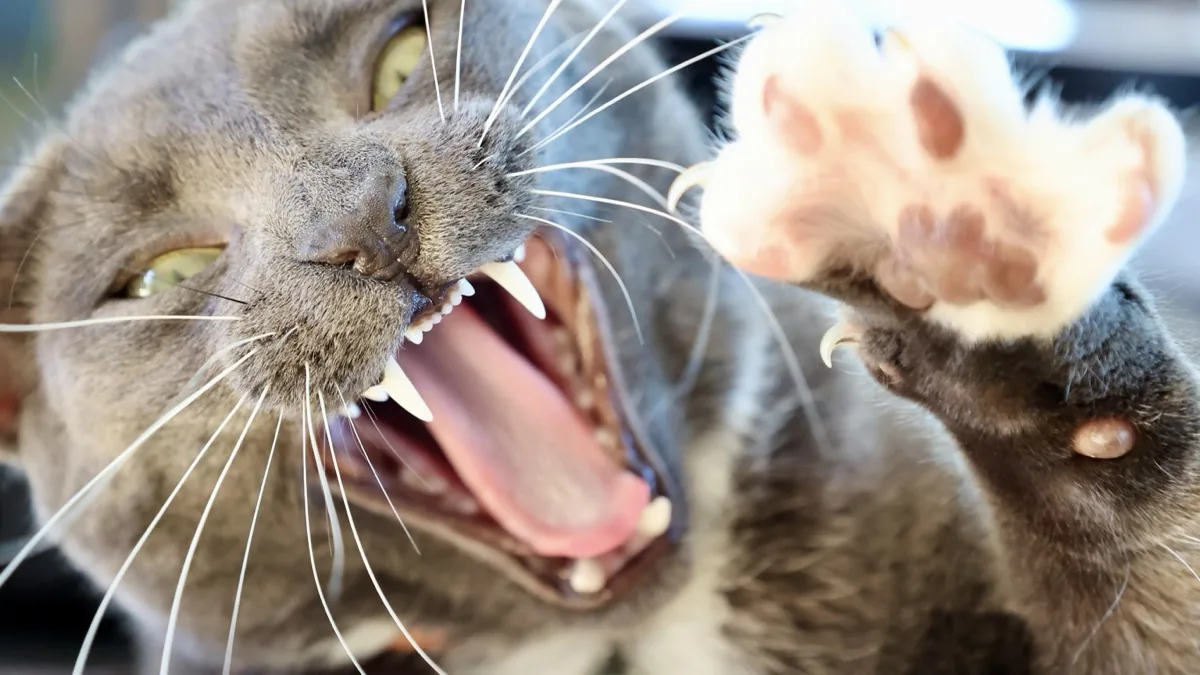
Feline tooth resorption—historically designated as FORL (Feline Odontoclastic Resorptive Lesions) or cervical line lesions—is one of the most agonizing, destructive, and pervasive oral diseases in domestic felines, affecting more than 60% of cats over the age of five. In this idiopathic condition, specialized cells called odontoclasts abnormally activate and systematically dissolve enamel, dentin, and tooth roots, leaving the sensitive neurovascular dental pulp raw and exposed to constant friction.
In this guide
1. Pathophysiology: How Odontoclasts Destroy the Tooth
In juvenile physiology, odontoclasts exist solely to resorb primary (deciduous) tooth roots, allowing adult teeth to erupt normally. In adult cats with FORL, these cells mysteriously reactivate and initiate structural destruction of permanent teeth.
The lesion typically begins at the cervical cementoenamel junction near the gingival margin. Once protective enamel and cementum erode, fluid flow through dentinal tubules directly stimulates pulp nerves, causing excruciating nerve pain with every tongue movement or contact with saliva. In response, inflamed hyperplastic gingiva often grows over the defect to cover the eroding hole, creating the visual illusion of a simple localized red gum spot.
---
2. Recognizing Subtle Signs of Severe Oral Pain
Because cats possess an instinctual survival drive to conceal physical vulnerability, they rarely stop eating entirely until the disease reaches terminal stages:
- Jaw Chattering while Eating: The cat bites into a piece of dry food, suddenly shudders, drops the kibble, and chatters its lower jaw in sharp pain.
- Gulping Food Whole: Bypassing painful chewing by swallowing dry kibble whole without mechanical breakdown.
- Head-Tilting & Unilateral Chewing: Chewing exclusively on the unaffected side of the mouth with the head held at an awkward angle.
- Pawing at the Mouth & Facial Rubbing: Attempting to dislodge perceived oral obstructions.
- Behavioral Changes: Uncharacteristic grumpiness, withdrawal, disheveled unkempt fur from lack of grooming, and hissing when petted under the chin.
---
3. AVDC Classification: Type 1 vs. Type 2 Resorption
The American Veterinary Dental College divides lesions into radiographic subtypes with distinct surgical indications:
- Type 1 (Inflammatory Resorption): The periodontal ligament space remains visible and intact on x-rays with distinct root density. Treatment requires complete surgical extraction of the entire tooth and all root apexes.
- Type 2 (Replacement Resorption / Ankylosis): The root structures fuse with the surrounding alveolar bone and undergo osseous metaplasia. Attempting root extraction risks jaw fracture; the scientifically endorsed procedure is crown amputation with intentional root retention and gingival flap closure.
- Type 3: Hybrid lesions where one root exhibits Type 1 architecture and the adjacent root demonstrates Type 2 ankylosis.
---
4. Diagnosis: Why Intraoral Radiographs Are Indispensable
Thorough diagnosis requires general anesthesia and specialized imaging:
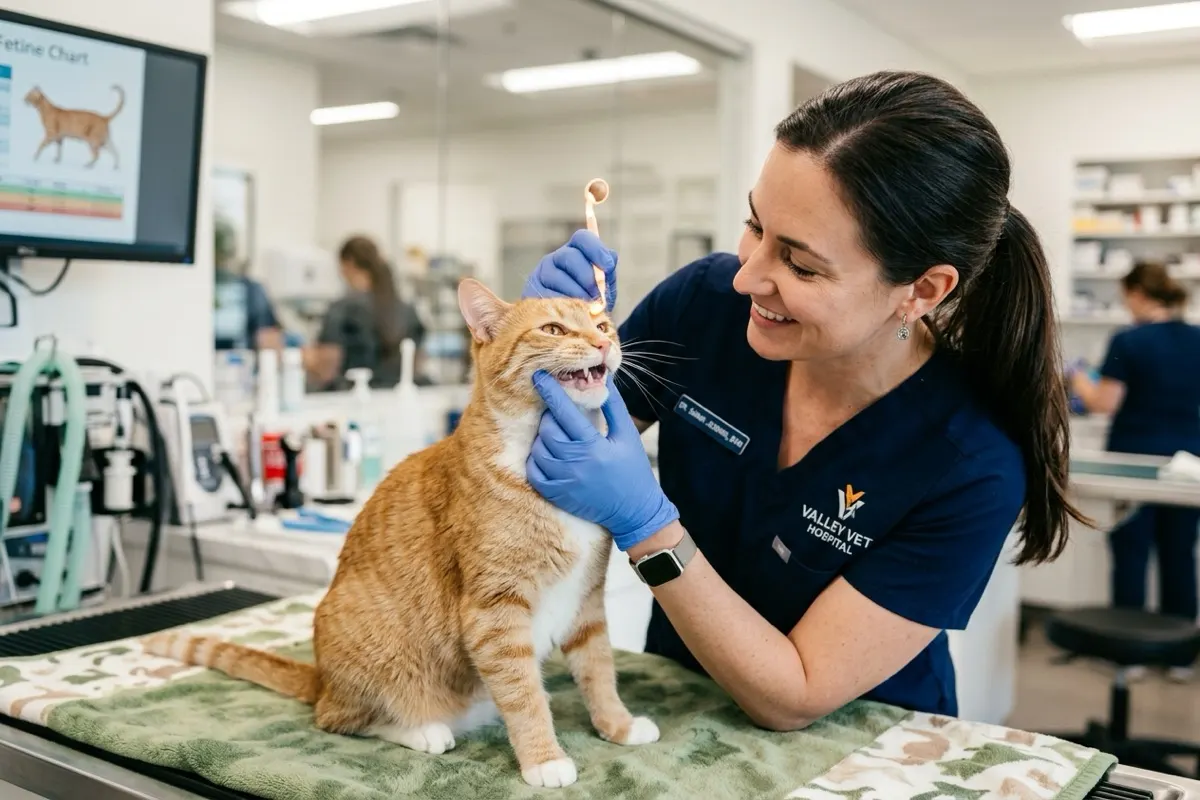
- Periodontal Probing: Under anesthesia, a periodontal explorer gently touches the tooth neck; entering a resorptive pit triggers spontaneous jaw shivering even in sedated patients.
- Full-Mouth Dental X-Rays: Dental radiographs are mandatory to determine whether roots are intact or replaced by bone, and to detect subgingival lesions invisible to the naked eye.
---
5. Life After Extractions: Pain-Free Eating
Pet owners frequently worry that a cat missing teeth will be unable to eat. The reality is quite the opposite:
- Cats possess tough, keratinized gingiva that heals rapidly into a firm ridge, allowing them to eat both wet food and crunchy dry kibble with complete ease.
- Resolving constant chronic oral pain restores energy, playfulness, and affectionate interaction within days of surgery.
---
Scientific Sources and References
- DuPont, G. A. (2005). Crown amputation with intentional root retention for advanced feline resorptive lesions. A retrospective study of 88 cases. Journal of Veterinary Dentistry, 22(4), 216-222.
- Lommer, M. J., & Verstraete, F. J. (2000). Prevalence of odontoclastic resorptive lesions and gastrointestinal tract disorders in cats: 224 cases (1995–1997). Journal of the American Veterinary Medical Association, 217(1), 63-66.
- Gorrel, C. (2015). Tooth resorption in cats: Current concepts in diagnosis and treatment. In Practice, 37(1), 25-33.
- American Veterinary Dental College (AVDC). Feline Tooth Resorption Classification and Staging Guidelines. AVDC.org.
Caring for a cat? Keep their health in your pocket
Register your cat on Nekolife to track vaccination history, weight, and get advice from loving cat parents.
- Vaccine & weight records
- Supportive cat community
- Earn Meow Points & badges
Related pages
Know someone who needs this?