How to Bathe an Adult Cat Without Stress: Step-by-Step Guide and Waterless Baths
Cats spend 30% to 50% of their day grooming themselves with specialized barbed tongues. Under normal circumstances, healthy cats never need regular water baths. However, sticky messes, toxic spills, severe diarrhea, or mobility issues in senior cats occasionally necessitate a wash.
This guide is not a substitute for a vet.
In this guide
In 1 Minute: The Essentials
- When to bathe: Only when coated in toxic substances (motor oil, paints, pollen), sticky dirt, severe diarrhea, or prescribed medicated shampoos.
- Top alternative: Waterless foaming dry shampoo or feline wipes. Eliminates 90% of water-induced fear and panic.
- Setup essentials: Trim claw tips the day before, brush out mats first, and place a thick wet towel on the tub floor for solid footing.
- Water temperature: Lukewarm (37°C–38°C / 98°F–100°F), mirroring natural feline body temperature. Never use running showerheads near the face.
- Drying protocol: Wrap immediately in two warm bath towels and pat gently. Avoid loud noisy hair dryers unless strictly acclimated on low heat.
---
When Is a Bath Actually Necessary?
- Toxic Chemical Exposure: Paint, motor oil, or lily pollen. Allowing the cat to lick this off leads to systemic poisoning or kidney failure.
- Severe Diarrhea Messes: Target washing limited to the hindquarters and tail.
- Loss of Grooming Flexibility: Senior cats with feline arthritis or severe obesity unable to clean their backs.
- Veterinary Skin Therapy: Medicated fungal or bacterial treatments prescribed by a vet.
---
The Waterless Foam Alternative
Whenever possible, skip the tub:
- Dispense cat-safe waterless foam onto your hands.
- Massage gently into the coat against the direction of hair growth.
- Rub down with a warm microfiber towel to lift dander and grease.
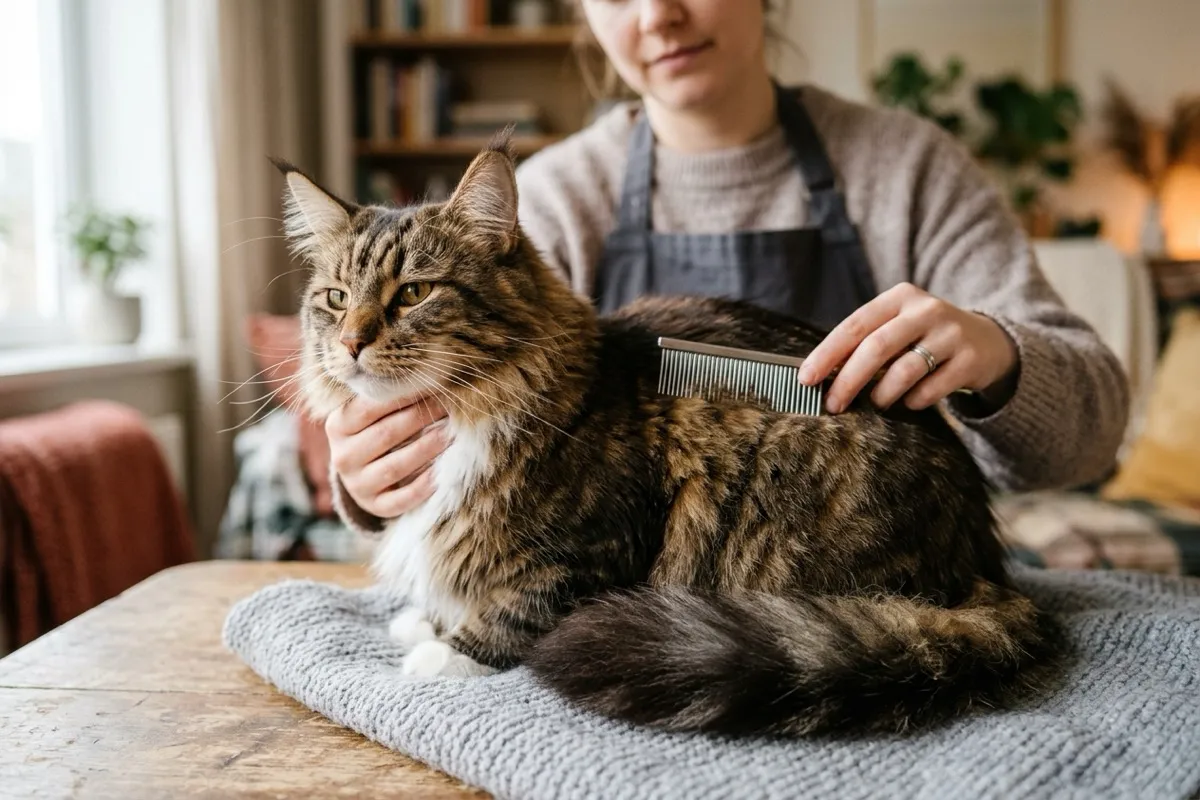
- Finish with gentle coat brushing.
---
Step-by-Step Guide for Tub Baths
- Prepare Ahead: Fill two wash basins with warm water before bringing the cat into the bathroom. The loud hissing sound of running water triggers fight-or-flight panic.
- Secure Footing: Put a rubber mat or folded towel in the tub basin so the cat feels stable and grounded.
- Wash Body Only: Use a soft cup or sponge to wet the back and legs. Use feline-specific pH 6.5 shampoo only.
- Protect Ears & Eyes: Never pour water over the head. Keep water away from ear canals to prevent painful otitis infections.
- Rinse Completely: Leftover soap residue causes intense itching and skin flakes.
---
Clinical Sources & Further Reading
- ISFM Cat Friendly Clinic Guidelines on Low-Stress Feline Handling.
- Journal of Feline Medicine and Surgery.
Nekolife Community
Caring for a cat? Keep their health in your pocket
Register your cat on Nekolife to track vaccination history, weight, and get advice from loving cat parents.
- Vaccine & weight records
- Supportive cat community
- Earn Meow Points & badges
Create free cat passport →100% free forever
Related pages
Know someone who needs this?