Living with Cats When You're Allergic: How to Neutralize the Fel d 1 Protein
Discovering that you are allergic to cats does not mean you have to rehome your companion. Up to 95% of feline allergic responses are triggered not by fur, but by Fel d 1, a tiny glycoprotein secreted in cat saliva, skin glands, and tears.
In this guide
In 1 Minute: The Essentials
- The real cause: Fel d 1 glycoprotein. When cats groom, saliva coats their fur; once dry, microscopic dander flakes circulate in the air for hours.
- Dietary innovation: Foods incorporating egg-derived anti-Fel d 1 IgY antibodies bind and neutralize active salivary Fel d 1 by up to 47%.
- Air purification: True HEPA H13 air filters running 24/7 in bedrooms and living rooms trap microscopic suspended allergens.
- Sanctuary bedroom: Keeping the cat out of your bedroom creates an 8-hour allergen-free recovery window each night.
- Coat maintenance: Wipe your cat's fur twice a week with damp microfiber cloths or dander-neutralizing sprays (Allerpet) instead of traumatic water baths.
---
Understanding Fel d 1: Why Cat Allergens Are So Persistent
Fel d 1 particles are smaller than 5 micrometers—roughly one-tenth the width of a human hair. Because of their tiny aerodynamic size, they remain airborne for prolonged periods and adhere easily to clothing, couches, and walls.
While no domestic cat is 100% hypoallergenic, certain hypoallergenic cat breeds like the Siberian cat or Balinese cat naturally produce fewer salivary Fel d 1 proteins.
---
The 4-Pillar Allergen Control Strategy
1. Neutralize Allergens at the Source
Diets formulated with specialized egg ingredients supply natural antibodies that neutralize active Fel d 1 right in the cat's mouth. As the cat grooms, significantly less reactive protein transfers onto the fur.
2. Environmental Air & Surface Management
- True HEPA Filtration: Run an appropriately sized HEPA unit in high-traffic rooms.
- Hard Flooring: Hardwood, laminate, or tile floors are far easier to damp-mop than carpeted floors that trap years of dander.
- Wash Bedding Hot: Wash bedsheets and blankets weekly at 60°C (140°F) to denature trapped proteins.
3. Smart Coat Care
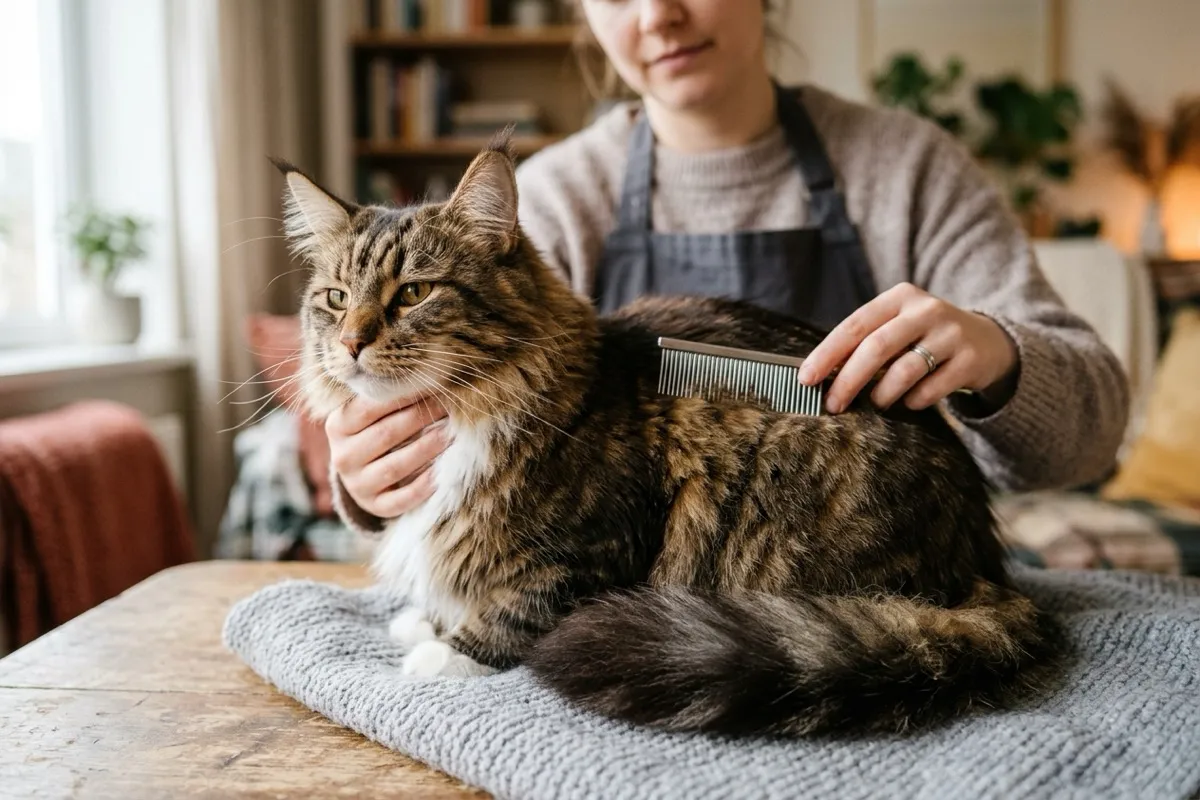
- Regular cat brushing and grooming removes loose shed hair before dander disperses.
- Have a non-allergic family member brush the cat near an open window or outdoors.
4. Create a Clean-Air Sleeping Zone
Never allow cats on your pillows or mattress. Preserving an allergen-free sanctuary allows your respiratory tract and immune system to decompress each night.
---
Clinical Sources & Further Reading
- Satyaraj, E. et al. (2019). Anti-Fel d 1 immunoglobulin Y antibody-containing egg ingredient neutralizes feline salivary Fel d 1. Journal of Feline Medicine and Surgery.
- World Allergy Organization (WAO) Environmental Control Consensus.
Frequently asked questions
Does neutering reduce cat allergies?
Yes. Fel d 1 production is testosterone-dependent. Intact tomcats produce the highest levels; neutering your cat significantly drops allergen output.
Can allergy immunotherapy cure feline allergies?
Yes. Specific sublingual (drops) or subcutaneous (shots) allergen immunotherapy overseen by an allergist desensitizes your immune system over 3 to 5 years. ---
Caring for a cat? Keep their health in your pocket
Register your cat on Nekolife to track vaccination history, weight, and get advice from loving cat parents.
- Vaccine & weight records
- Supportive cat community
- Earn Meow Points & badges
Related pages
Know someone who needs this?