The Cat Slow Blink: What Science Says About Feline Eye Communication
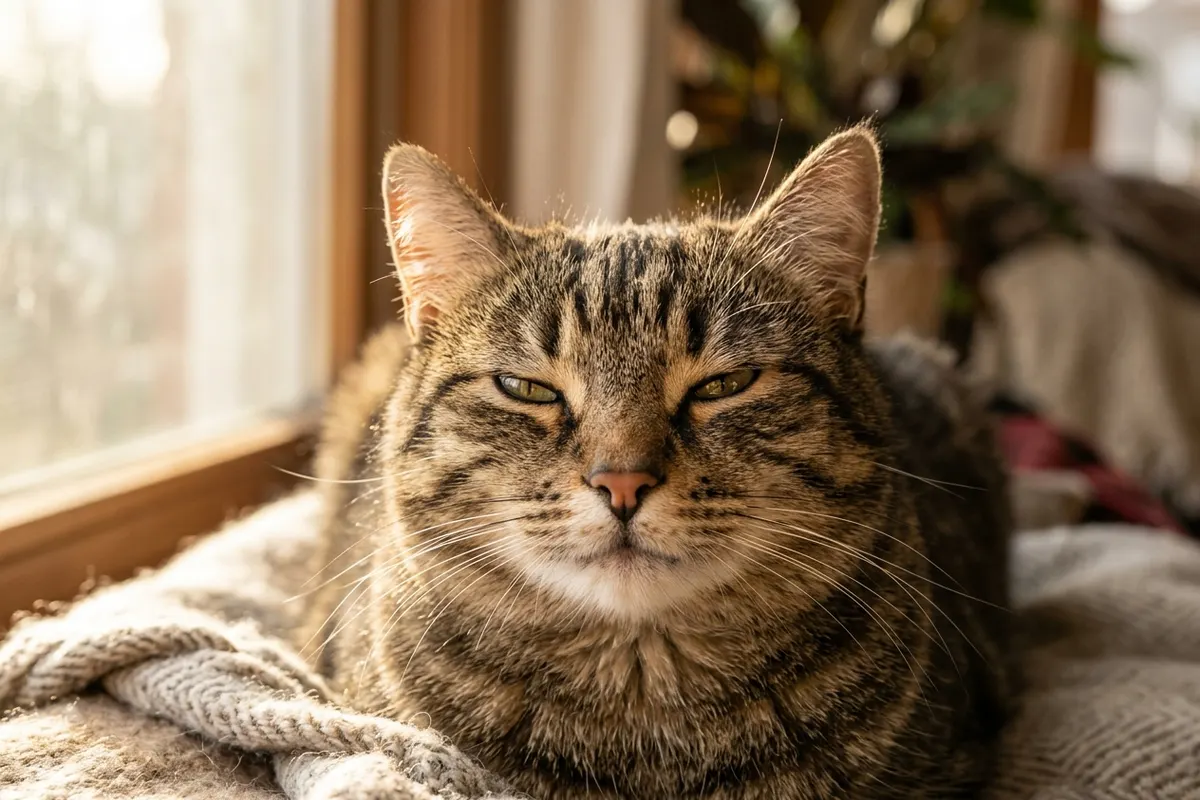
When a cat gazes at you, gently narrows their eyes, and slowly closes their eyelids before reopening them softly, they are not sleepy: they are offering you the feline equivalent of a warm, authentic smile. Behavioral science has confirmed that the slow blink is one of the most powerful cross-species bonding signals.
In this guide
1. The University of Sussex Landmark Study
For decades, cat lovers believed that "smiling with your eyes" fostered a special connection with felines. In 2020, animal behavior scientists at the University of Sussex (UK), led by Tasmin Humphrey and Professor Karen McComb, published peer-reviewed empirical evidence in Scientific Reports:
Key Experimental Discoveries:
- Experiment 1 (Bonded owners): Cats were significantly more likely to slow blink at their owners after their owner slow-blinked at them compared to a neutral, unblinking expression.
- Experiment 2 (Unfamiliar researchers): Cats not only returned slow blinks to complete strangers, but they were also significantly more inclined to approach the researcher’s outstretched hand.
---
2. Feline Eye Language: Threat vs. Affection
To appreciate the profound meaning of a slow blink, consider how predatory species use vision:
| Visual Interaction | Meaning in Feline Ethology | Emotional State |
|---|---|---|
| Unbroken, unblinking stare | Territorial challenge, threat, or predatory focus | High tension, defensiveness, or fear |
| Rapid looking away | Conflict avoidance / submissive apprehension | Anxiety or discomfort |
| Slow blink sequence | Voluntary vulnerability / greeting / peaceful intent | Oxytocin release, safety, and mutual trust |
In the feline world, holding an unblinking gaze is an aggressive challenge. By closing their eyes slowly, a cat signals: "I trust you enough to lower my guard."
---
3. How to Practice the Slow Blink with Your Cat
Follow this step-by-step technique to communicate with your cat:
- Pick the right moment: When your cat is lounging peacefully, not during active playtime or feeding.
- Adopt a non-threatening posture: Sit at their eye level rather than towering directly over them.
- Make soft eye contact: Look warmly toward their eyes without an intense glare.
- Close your eyelids deliberately: Hold your eyes closed for a full 1 to 2 seconds.
- Open softly and avert your gaze: Looking slightly to the side confirms that you are not issuing a challenge.
If your cat is squinting only one eye, pawing at their face, or has discharge, this indicates medical eye distress rather than affection; find immediate care at Emergency veterinarians near you.
---
4. Practical Applications for Shelters and Fearful Cats
The slow blink is a vital behavioral intervention:
- Helping shy or rescued cats: Allows foster parents to establish rapport from across the room without physical intrusion.
- Veterinary clinic low-stress handling: Veterinary professionals use slow blinks to calm anxious patients before physical examinations.
---
Veterinary Sources and Clinical References
- Humphrey, T., Proops, L., Forman, J., Spooner, R., & McComb, K. (2020): The role of cat eye narrowing movements in cat–human communication, Scientific Reports (Nature Research).
- Bradshaw, J. W. (2016): Sociality in cats: A review of domestic cat social behavior and communication, Anthrozoös.
- Ellis, S. L. H. et al. (2013): AAFP and ISFM Feline Environmental Needs Guidelines, Journal of Feline Medicine and Surgery.
Caring for a cat? Keep their health in your pocket
Register your cat on Nekolife to track vaccination history, weight, and get advice from loving cat parents.
- Vaccine & weight records
- Supportive cat community
- Earn Meow Points & badges
Related pages
Know someone who needs this?