Feline Gastrointestinal Lymphoma: IBD Differentiation, Grading, and Chemotherapy Options
Feline alimentary lymphoma (gastrointestinal lymphoma) is the most prevalent malignant neoplasia diagnosed in mature domestic cats, accounting for more than half of all feline digestive tumors. While a cancer diagnosis is emotionally overwhelming for pet parents, feline lymphoma is not a monolithic disease: it spans from indolent low-grade (small-cell) forms that achieve high clinical remission rates with simple oral medications at home, to aggressive high-grade (large-cell) lymphomas requiring multi-agent hospital chemotherapy.
In this guide
1. Histological Classification and Subtypes
In modern feline oncology, intestinal lymphoma is categorized into distinct clinical entities:
- Low-Grade (Small Cell / Lymphocytic T-Cell) Lymphoma: Constitutes roughly 75% of feline GI lymphomas. Involves mucosal infiltration of mature, small T-lymphocytes primarily within the jejunum and ileum. Progresses slowly with an excellent prognosis.
- High-Grade (Large Cell / Lymphoblastic B-Cell or T-Cell) Lymphoma: A rapidly proliferating, aggressive malignancy composed of immature lymphoblasts forming transmural masses, causing bowel narrowing and mesenteric lymphadenopathy.
- Large Granular Lymphocyte (LGL) Lymphoma: A rare, extremely aggressive cytotoxic T-cell or natural killer (NK) cell neoplasm characterized by intracellular azurophilic granules.
---
2. Clinical Signs: Recognizing the Silent Progression
Because cats are evolutionary masters at masking chronic discomfort, symptoms manifest insidiously:
- Weight Loss & Sarcopenia with Maintained Appetite: Progressive loss of muscle mass over the spine and hips, often while the cat eats ravenously (compensatory polyphagia due to severe malabsorption).
- Intermittent Vomiting: Vomiting clear fluid, bile, or undigested food once or twice weekly, frequently misattributed to «normal hairballs».
- Small Intestinal Diarrhea: Large-volume, soft, semi-formed stools with steatorrhea (unabsorbed fat).
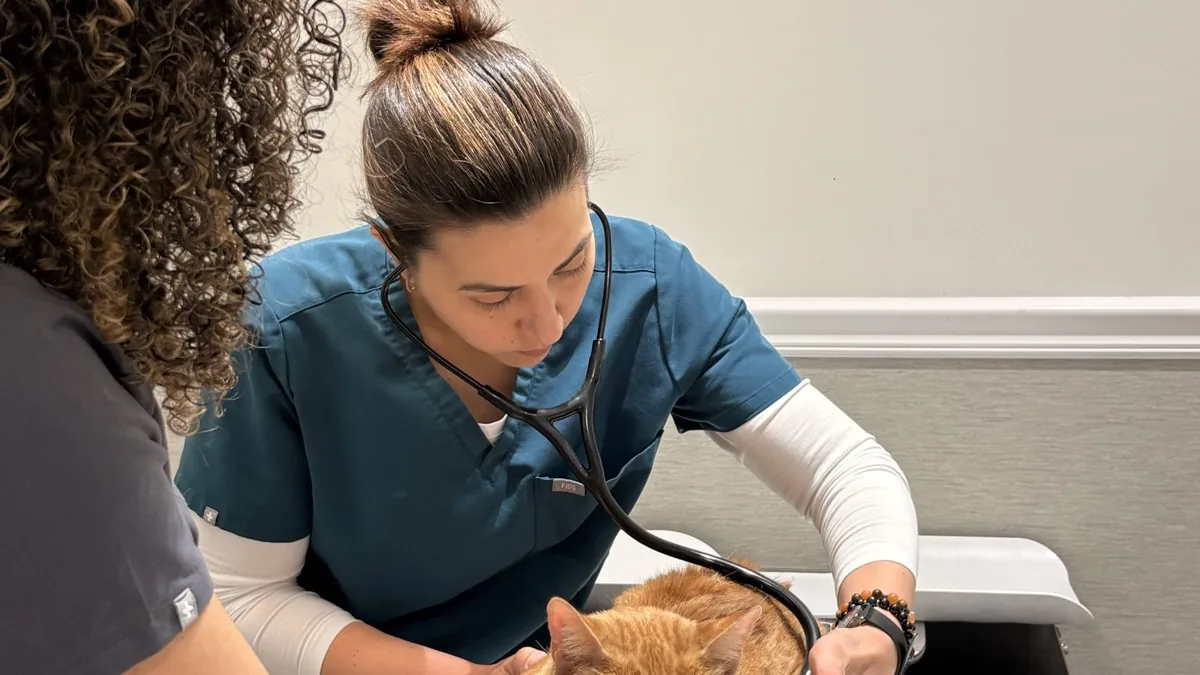
- Abdominal Palpation: On physical exam, the clinician may feel diffuse, ropy thickening of intestinal loops or distinct abdominal lymph node enlargement.
---
3. Diagnostic Differentiation: IBD vs. Low-Grade Lymphoma
Distinguishing severe IBD from indolent small-cell lymphoma represents a central challenge:
- High-Frequency Abdominal Ultrasound: Evaluates intestinal wall layering. Thickening of the muscularis propria layer (muscularis-to-submucosa ratio > 1) strongly favors lymphoma.
- Endoscopic vs. Full-Thickness Biopsies: While endoscopy reaches only the superficial mucosal lining of the stomach and duodenum, surgical full-thickness biopsies via laparotomy or laparoscopy capture all layers for definitive grading.
- Clonality Testing (PARR - PCR for Antigen Receptor Rearrangement): Evaluates T-cell and B-cell receptor genetics. Reactive IBD displays polyclonal diversity, whereas lymphoma demonstrates clonal expansion of a uniform malignant population.
---
4. Chemotherapeutic Protocols and Survival Outcomes
Treatment protocols are strictly matched to histological grading:
- Low-Grade Protocol (Home Oral Therapy): Oral chlorambucil (Leukeran, pulse-dosed every 2 to 3 weeks) combined with daily oral prednisolone. Remission rates exceed 85–90% with a median survival time (MST) of 18 to 30 months.
- High-Grade Protocol (Multi-Agent CHOP): Inpatient protocol incorporating cyclophosphamide, doxorubicin, vincristine, and prednisolone. Remission occurs in 50–65% of patients with an average survival of 6 to 10 months.
- Subcutaneous Cobalamin (Vitamin B12) Supplementation: Essential in all cases, as ileal infiltration destroys cubam receptors, leading to systemic B12 depletion and anorexia.
---
5. Quality of Life and Debunking Chemotherapy Fears
Addressing common owner apprehensions regarding feline chemotherapy:
- Dosing regimens in veterinary oncology prioritize comfortable, pain-free quality of life over aggressive cytotoxicity.
- Cats do not experience systemic hair loss because their fur grows in synchronized seasonal cycles rather than continuous growth.
- Nausea is aggressively prevented with modern antiemetics like maropitant citrate and ondansetron.
---
Scientific Sources and References
- Rassnick, K. M., et al. (2010). Evaluation of a chlorambucil and prednisolone chemotherapy protocol for treatment of low-grade alimentary lymphoma in cats: 41 cases (1998–2008). Journal of the American Veterinary Medical Association, 237(8), 944-949.
- Moore, P. F., et al. (2012). Feline gastrointestinal lymphoma: mucosal architecture, immunophenotype, and molecular clonality. Veterinary Pathology, 49(4), 658-668.
- Kiselow, M. A., et al. (2008). Role of enteroscopy and full-thickness biopsy in diagnosis of feline chronic enteropathies. Journal of Veterinary Internal Medicine, 22(4), 849-857.
- Paul, A. E., et al. (2020). Clinical features and outcome in cats with high-grade alimentary lymphoma: a retrospective study of 53 cases. Journal of Feline Medicine and Surgery, 22(6), 521-529.
Caring for a cat? Keep their health in your pocket
Register your cat on Nekolife to track vaccination history, weight, and get advice from loving cat parents.
- Vaccine & weight records
- Supportive cat community
- Earn Meow Points & badges
Related pages


Know someone who needs this?