Feline Infectious Peritonitis (FIP): Diagnosis, Clinical Signs, and the GS-441524 Antiviral Revolution
Feline Infectious Peritonitis (FIP) is a severe, immune-mediated disease caused by an internal mutation of feline enteric coronavirus (FCoV) that was once universally considered a fatal death sentence for cats. However, the introduction of the antiviral nucleoside analog GS-441524 (and remdesivir) has revolutionized feline medicine, delivering documented clinical remission rates above 85-90% when diagnosed and treated before irreversible multi-organ collapse.
In this guide
2. Wet vs. Dry FIP: Identifying Signs and Symptoms
- Effusive (Wet) FIP: Characterized by hyperpermeable vascular leakage. Owners observe rapid, painless abdominal enlargement ('fluid belly') or severe dyspnea caused by pleural effusion. This form tends to progress rapidly over days or weeks.
- Non-Effusive (Dry) FIP: Develops insidiously over months. Typical signs include fluctuating antibiotic-resistant fever, unkempt coat, lethargy, muscle wasting, and stunted growth in kittens.
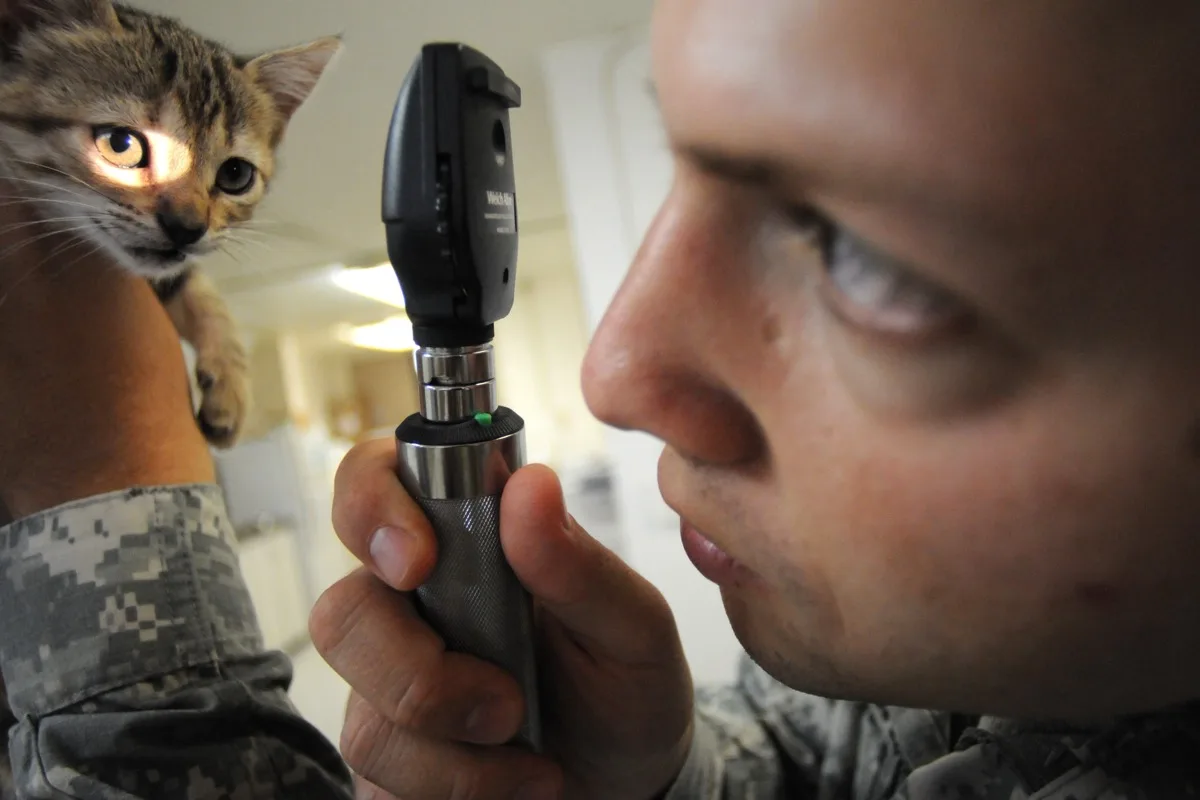
- Neurological & Ocular Signs: Corneal precipitates, anterior uveitis, hyphema, ataxia, tremors, behavioral changes, and seizures indicate that the virus has crossed protective blood-brain or blood-ocular barriers.
---
3. Veterinary Diagnosis & Laboratory Workup
Accurate diagnosis requires synthesizing multiple laboratory findings:
- Serum Biochemistry: Inverted A:G ratio (less than 0.6 is highly indicative of FIP), high total protein with hypergammaglobulinemia, and elevated acute-phase protein SAA.
- Effusion Analysis: Clear to straw-colored, viscous fluid with high protein content (>35 g/L), low cellularity, and a positive Rivalta test.
- Molecular Testing: Quantitative RT-PCR identifying specific spike gene mutations in effusion fluid or fine-needle tissue aspirates.
---
4. The GS-441524 Antiviral Protocol
GS-441524 is a small-molecule adenosine nucleoside analog that acts as a competitive chain terminator for viral RNA-dependent RNA polymerase, halting FIP virus replication immediately.
- Treatment Duration: Exactly 84 days (12 weeks) administered every 24 hours without missed doses.
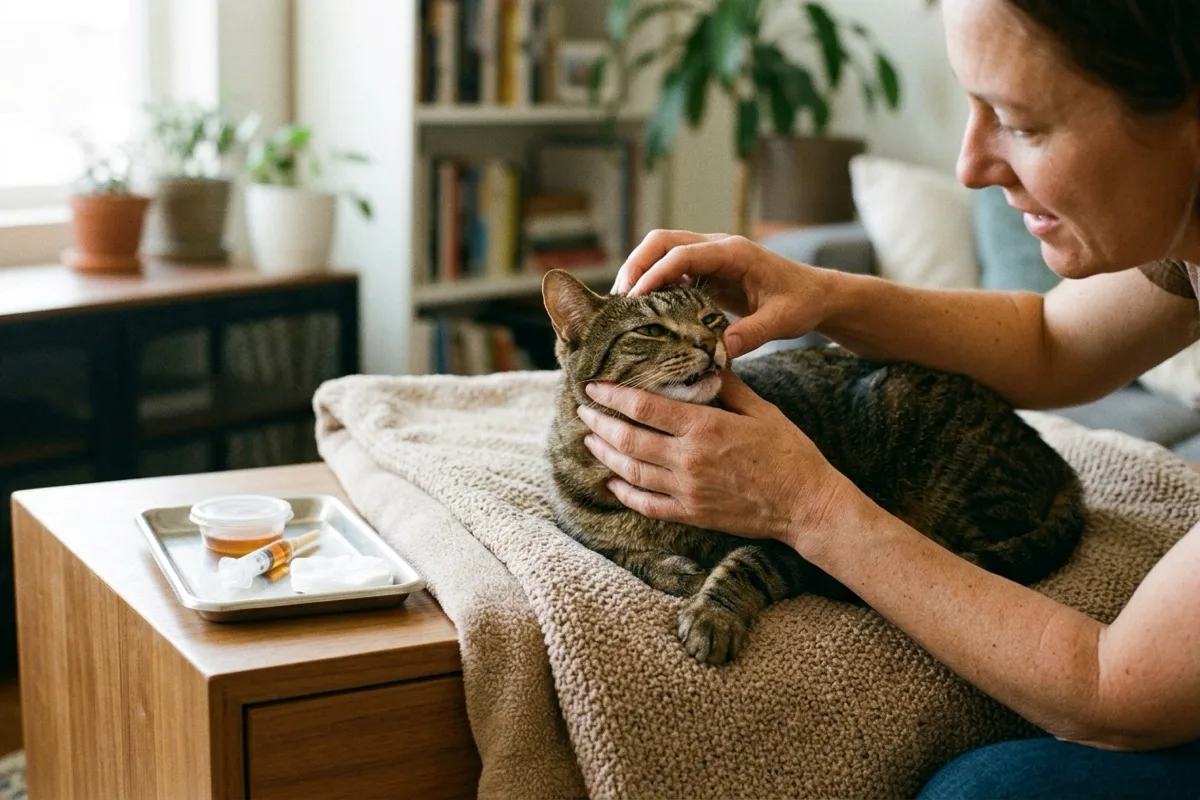
- Route: Subcutaneous injection or palatable oral tablets.
- Dosage Tiers: 5-6 mg/kg for uncomplicated wet/dry FIP, 8-10 mg/kg for ocular involvement, and 10-15 mg/kg for neurological FIP to penetrate the blood-brain barrier.
- Post-Treatment Observation: An 84-day drug-free observation phase follows; if bloodwork remains normal and no relapse occurs, the cat is officially declared cured.
---
Scientific Sources and References
- Pedersen, N. C., et al. (2019). Efficacy and safety of the nucleoside analog GS-441524 for treatment of cats with naturally occurring feline infectious peritonitis. Journal of Feline Medicine and Surgery, 21(4), 271-281.
- Tasker, S. (2018). Diagnosis of feline infectious peritonitis: update on evidence supporting available tests. Journal of Feline Medicine and Surgery, 20(3), 228-243.
- European Advisory Board on Cat Diseases (ABCD). Feline Infectious Peritonitis Guidelines: Update on Antiviral Therapies. ABCDcatvets.org, 2023.
- Hartmann, K. (2005). Feline infectious peritonitis. Veterinary Clinics of North America: Small Animal Practice, 35(1), 39-79.
Caring for a cat? Keep their health in your pocket
Register your cat on Nekolife to track vaccination history, weight, and get advice from loving cat parents.
- Vaccine & weight records
- Supportive cat community
- Earn Meow Points & badges
Related pages
Know someone who needs this?