Litter train your kitten: step by step
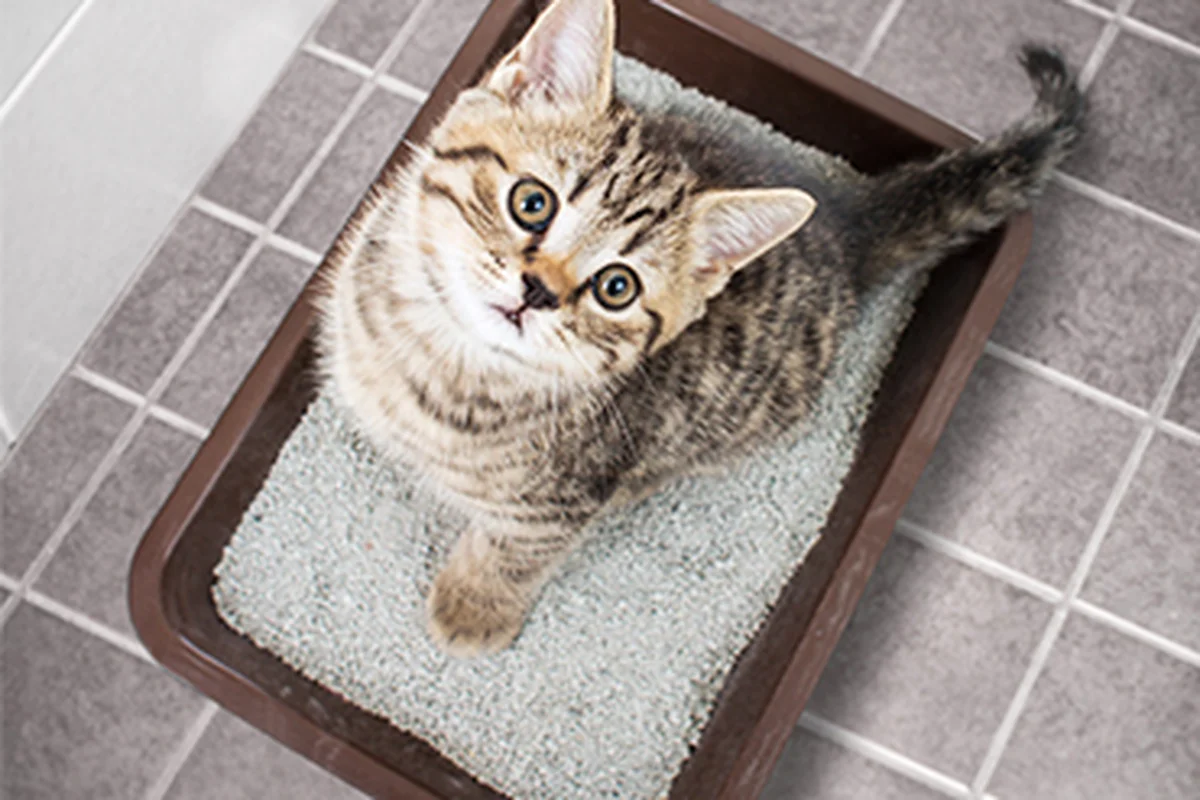
Most kittens learn the litter box very quickly if the tray is easy to reach, clean, and simple to get into. Start in a small room, do not punish them if they make a mistake, and check with your vet if accidents keep happening.
Quick answers
- When to start?From around 3 weeks you can set out a low-sided tray; when they come home, have it ready from day 1.
- Which tray?Open, low sides at first, and generously sized (ideal: about 1.5 times the cat’s length).
- Which litter?Unscented, fine texture; about 3 cm deep. For very small kittens, consider litter they are less likely to eat.
- How many boxes?One per cat, plus one extra.
- Punishment?Never: punishment makes the problem worse and damages trust.
In this guide
Why they almost “train themselves”
Cats prefer to eliminate in loose, granular material similar to fine sand. Many kittens have already seen their mother use the tray. You just need to put the litter box where they can find it, keep it clean, and not scare them.
Do not expect them to search the whole house for the box: when they arrive, confine them first to one room with a litter box, food, water, toys, and places to rest.
Step by step the first few days
- Set up a room you can close with everything they need (bed, play, food/water away from the litter box, clean tray).
- Place the tray somewhere quiet and easy to reach, away from food and water.
- After eating or waking up is a good time to calmly bring them to the tray if they are still unsure. International Cat Care suggests, if needed, placing one front paw so they scratch the litter a little.
- Supervise when they explore more rooms. If you cannot watch them, return them to their base room until they use the litter box consistently.
- If they make a mistake, clean up without shouting or rubbing their nose in it; use an enzymatic cleaner to remove the smell.
Choosing a tray and litter
Tray
- Open trays are often preferred: odors can escape and they can see around them. Covered boxes trap smell and bother some cats.
- Low sides while they are small (easy in and out).
- Size: ideally about 1.5 times the cat’s length from nose to base of tail; many “standard” trays are too small.
- Avoid (at least at first) automatic boxes, plastic liners, and strong scents: they can put a kitten off.
Litter
- International Cat Care recommends about 3 cm of depth.
- Cornell: most prefer unscented litter with a fine texture, about 2.5–5 cm (1–2 inches) deep.
- When they arrive, if you can, use the same type as in their previous home.
- For very young kittens, iCatCare suggests starting with sand/wood/paper litter rather than clay they might try to eat; silica gel is not for kittens under 8 weeks.
How many trays and where to put them
Usual rule: number of cats + 1. Spread them around the home (not all in one spot). In large homes, one per floor helps. Do not place them next to food or in noisy, high-traffic areas.
Cleaning: what matters most
Cats often avoid a dirty tray.
- Every day: remove feces and clumps (some cats want even more frequent scooping). iCatCare: at least once or twice a day depending on the guide.
- With clumping litter: full empty and wash every 2–4 weeks; with non-clumping, often weekly. VCA also describes weekly emptying and periodic scrubbing with hot water and mild soap.
- For washing: hot water and mild biological detergent; rinse and dry well. Avoid disinfectants toxic to cats (e.g. some with chloroxylenol like Dettol that cloud the water).
If they pee or poop outside the litter box
- Rule out a medical cause with your vet: pain when urinating, infections, digestive problems, or other illness can lead to eliminating outside the box.
- Review cleaning, litter type, size, cover, location, and number of boxes.
- If they always choose the same corner, try putting a tray there and, once they use it, move it slowly to the spot you want.
- Offer a “menu” of slightly different trays (litter, depth, size) to see what they prefer.
- Never shout, hit, or rub their face in the accident: it creates fear and can make the problem worse.
Cornell notes that “punishment” does not work the way we think and that removing odor is key so they do not return to the same spot.
Signs to go to the vet
Call your vet if:
- They repeatedly pee or poop outside the box.
- They go to the litter box very often, meow when urinating, there is blood, or they lick their genital area a lot.
- They seem painful, lethargic, vomiting, or have diarrhea.
- They suddenly stopped using the litter box after using it well before.
Create a Nekolife account
Raising a kitten is easier when you share questions with other caregivers and have guides at hand.
Create account — It's free and you'll come right back here.
Frequently asked questions
At what age does a kitten use the litter box?
From around 3 weeks you can offer a low-sided tray; many learn by watching their mother. When you adopt (usually around 8–12 weeks), most already know if you give them the right setup.
Covered or open litter box?
Open is usually better for the cat (less trapped odor, more visibility). If you use a cover, clean it very often and consider removing the door.
How many litter boxes do I need with one kitten?
Two (1 + 1 extra) is the usual rule.
Can I switch litter brands all at once?
Better to mix new litter with the old bit by bit; a sudden change can make them avoid the tray.
What if there are other cats?
More trays, spaced apart, and avoid letting another cat ambush them when leaving the litter box.
Caring for a cat? Keep their health in your pocket
Register your cat on Nekolife to track vaccination history, weight, and get advice from loving cat parents.
- Vaccine & weight records
- Supportive cat community
- Earn Meow Points & badges
Related pages



Sources
- "Bringing up a litter of kittens: health considerations". International Cat Care (iCatCare). Updated September 26, 2025. icatcare.org
- "Choosing a litter tray for your cat". International Cat Care (iCatCare). Updated December 10, 2025. icatcare.org
- Lindell, E.; Feyrecilde, M. "House Training for Kittens and Cats". VCA Animal Hospitals. vcahospitals.com
- "Caring for your new kitten" (folleto). International Cat Care (iCatCare), 2024. icatcare.org
- "Feline Behavior Problems: House Soiling". Cornell Feline Health Center, Cornell University College of Veterinary Medicine. Updated January 2015. vet.cornell.edu
Know someone who needs this?