Taurine Deficiency in Cats: Nutritional Risks, Retinal Degeneration, and Heart Failure
Taurine (2-aminoethanesulfonic acid) is an essential, obligate dietary amino acid for the domestic feline. Because cats have negligible activity of the key rate-limiting biosynthetic enzyme cysteine sulfinate decarboxylase, they are physiologically incapable of synthesizing adequate taurine from methionine or cysteine. Protracted dietary deprivation leads to two catastrophic and fatal syndromes: feline dilated cardiomyopathy (DCM) and feline central retinal degeneration (FCRD).
In this guide
Etiology and High-Risk Feeding Practices
- Unsupplemented Homemade or Boiled Meat Diets: Cooking leaches water-soluble taurine into cooking liquids, leading to depletion if not recaptured.
- Feeding Dog Food to Cats: Canine formulations are deficient in the concentrated taurine mandatory for feline obligate carnivores.
- Vegan/Vegetarian Diets: Natural taurine exists exclusively in animal muscle tissues, particularly dark poultry meat, organ meats, and marine fish.
Clinical Manifestations
- Dilated Cardiomyopathy (DCM): Profound myocardial contractile failure (fractional shortening < 20%), ventricular chamber dilation, dyspnea, pleural effusion, and congestive heart failure.
- Feline Central Retinal Degeneration (FCRD): Irreversible apoptotic loss of retinal photoreceptor rods and cones, manifesting as focal tapetal hyperreflectivity and ending in bilateral blindness.
- Reproductive Failure: Resorption, poor fetal survivability, and congenital skeletal deformities in kittens.
Diagnostic Confirmation and Reversibility
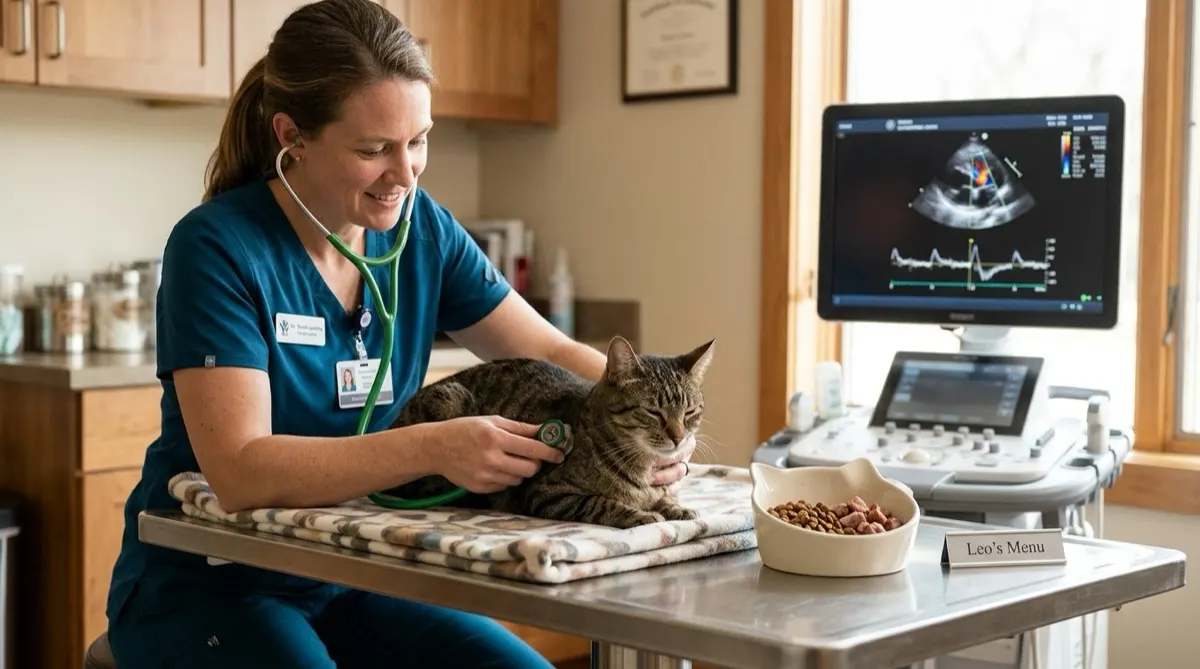
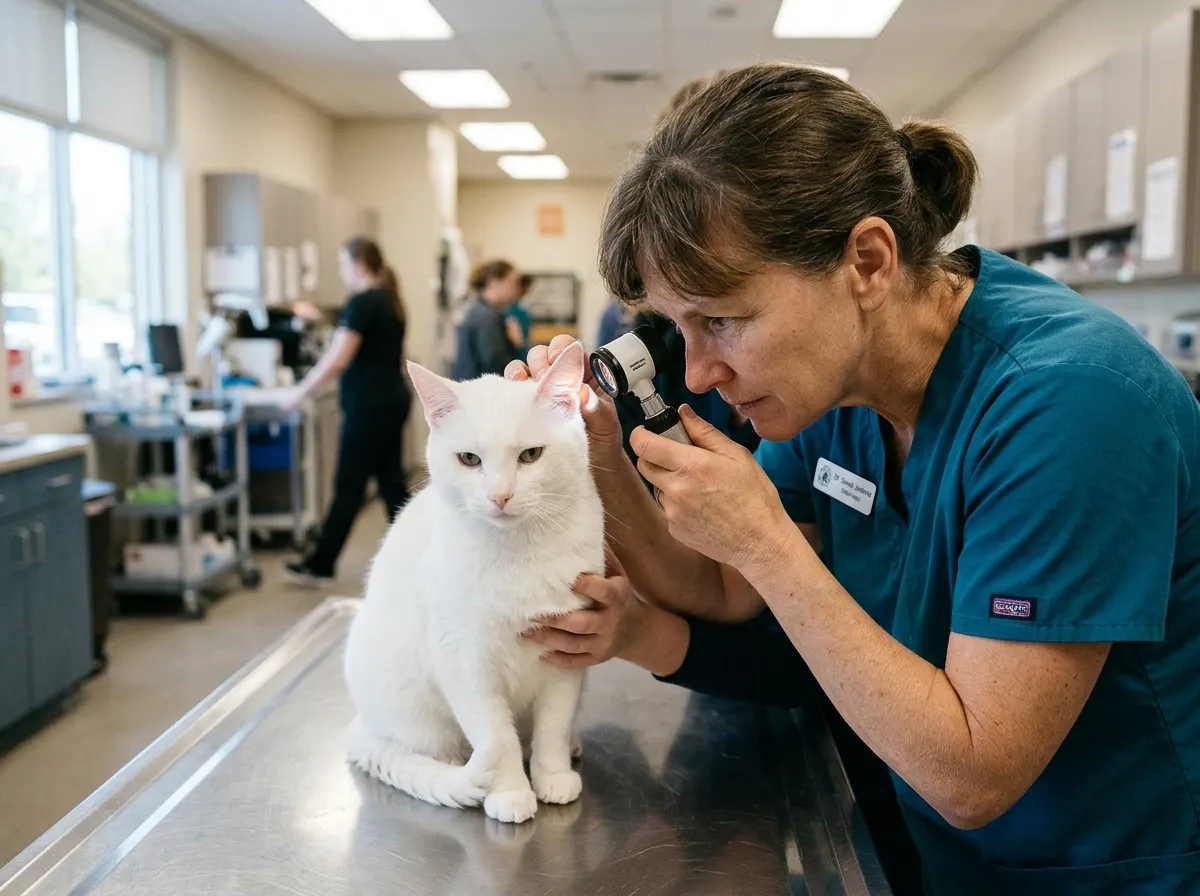
Diagnosis is secured via whole blood or plasma taurine quantification (whole blood < 150-200 nmol/mL indicating depletion), echocardiography, and indirect ophthalmoscopy. Oral administration of taurine (250-500 mg PO q12h) yields remarkable myocardial recovery and reverses cardiac failure within 6 to 12 weeks, although established retinal atrophy remains permanent.
Scientific Sources and References
- Pion, P. D., et al. (1992). Response of cats with dilated cardiomyopathy to taurine supplementation. Journal of the American Veterinary Medical Association, 201(2), 275-284.
- Hayes, K. C., et al. (1975). Retinal degeneration associated with taurine deficiency in the cat. Science, 188(4191), 949-951.
Caring for a cat? Keep their health in your pocket
Register your cat on Nekolife to track vaccination history, weight, and get advice from loving cat parents.
- Vaccine & weight records
- Supportive cat community
- Earn Meow Points & badges
Related pages
Know someone who needs this?