Ethylene Glycol Poisoning in Cats: Antifreeze Toxicity & Care
Ethylene glycol poisoning (the primary compound found in automotive antifreeze and engine coolants) is among the deadliest and fastest-acting toxicological emergencies in feline medicine. Attracted by its sweet taste and odorless liquid nature, cats readily lap up small puddles in driveways or garages; as little as 1.4 mL per kilogram is enough to cause death from irreversible acute kidney failure within 12 to 24 hours if an antidote is not initiated within 3 hours.
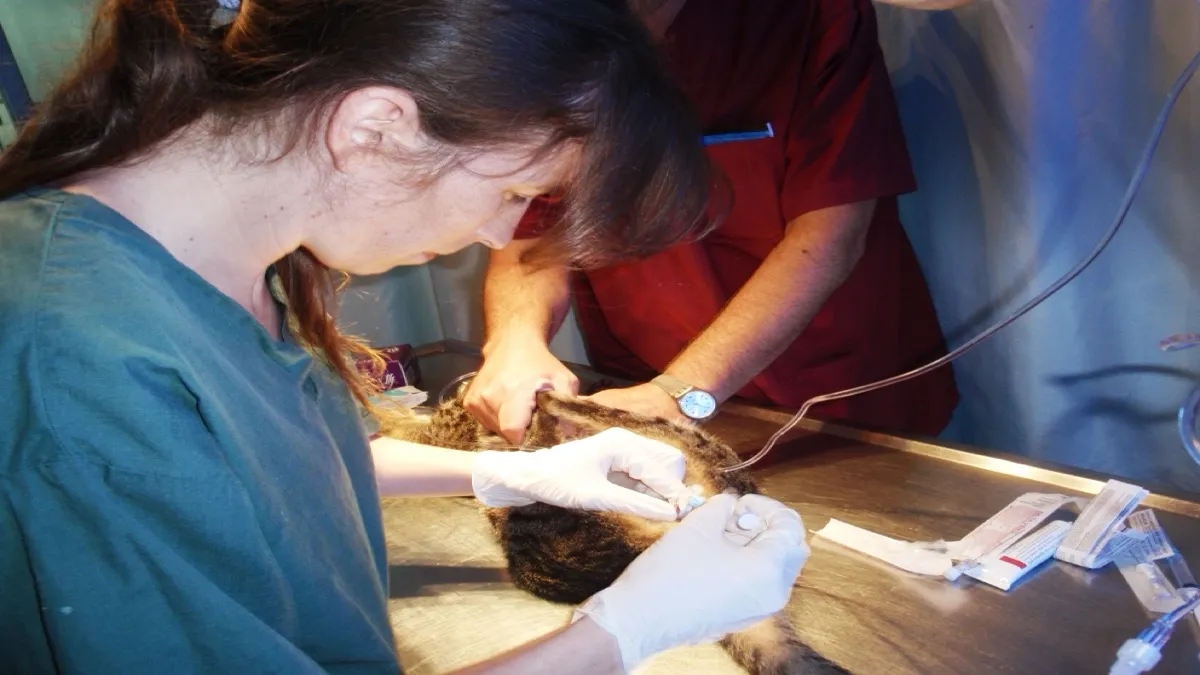
In this guide
1. What Is Ethylene Glycol and Why Is It Deadly to Cats?
Ethylene glycol is a sweet-tasting, viscous liquid widely used in winter automotive antifreeze, brake fluids, and industrial solvents. While pure ethylene glycol is toxic in its own right, its hepatic metabolites produced by the enzyme alcohol dehydrogenase (ADH) are lethal: glycoaldehyde, glycolic acid, glyoxylic acid, and oxalic acid.
Oxalic acid binds tightly with serum calcium to precipitate insoluble calcium oxalate crystals in the renal tubules, physically obstructing and destroying the renal parenchyma while causing severe systemic hypocalcemia and profound metabolic acidosis.
---
2. Clinical Stages and Warning Signs
Toxicity progresses through three sequential phases:
- Stage 1 (0.5 to 12 Hours - Neurological Phase): Cats appear intoxicated: severe ataxia (wobbly gait), stupor, transient vomiting, polyuria, polydipsia, and hypothermia.
- Stage 2 (12 to 24 Hours - Cardiopulmonary Phase): Neurological signs may seem to improve, but severe internal acidosis triggers tachycardia, tachypnea, pulmonary edema, and cardiovascular collapse.
- Stage 3 (12 to 24 Hours in Cats - Acute Oliguric/Anuric Kidney Failure): Complete cessation of urine output, severe uremia with oral ulcers, excruciating renal pain on palpation, seizures, coma, and death.
---
3. Emergency Veterinary Diagnostics
Immediate clinical evaluation is required:
- Urinalysis: Rapid detection of calcium oxalate monohydrate crystals (dumbbell, needle, or prism shapes) and low specific gravity.
- Blood Chemistry & Blood Gases: High anion gap metabolic acidosis, marked hypocalcemia, hyperphosphatemia, hyperkalemia, and soaring BUN and creatinine.
- Wood's Lamp (UV light): Many commercial antifreeze formulations contain fluorescein dye, which glows under UV light around the cat's muzzle, paws, or in fresh urine.
---
4. Life-Saving Antidotes and Medical Protocols
If caught within 1-2 hours without advanced CNS depression, veterinary emesis or gastric lavage with activated charcoal is initiated:
- Alcohol Dehydrogenase Blockade: The gold standard antidote is fomepizole (4-methylpyrazole) at feline-specific high doses or continuous IV pharmaceutical-grade ethanol. Ethanol competitively binds ADH with 100-fold higher affinity, allowing harmless renal excretion of unchanged ethylene glycol.
- Aggressive IV Diuresis: High-rate balanced crystalloids to flush kidneys and prevent tubular obstruction, paired with sodium bicarbonate for acidosis.
- Hemodialysis: The only salvage therapy if the cat has already progressed to established anuric renal shutdown.
---
5. Absolute Prevention at Home
Preventing exposure is the only foolproof safeguard:
- Immediate Spill Cleanup: Any coolant leak on garage floors or driveways must be cleaned thoroughly with absorbent litter and washed with detergent.
- Secure Storage: Keep all automotive fluids tightly capped in elevated, locked cabinets.
- Switch to Propylene Glycol: When purchasing antifreeze, choose propylene glycol-based formulations, which have a substantially wider margin of safety.
---
Scientific Sources and References
- American College of Veterinary Emergency and Critical Care (ACVECC). https://acvecc.org
- Merck Veterinary Manual - Ethylene Glycol Toxicity in Animals. https://www.merckvetmanual.com/toxicology/ethylene-glycol-toxicosis/overview-of-ethylene-glycol-toxicosis
- Cornell Feline Health Center - Toxic Plants and Household Chemicals. https://www.vet.cornell.edu/departments-centers-and-institutes/cornell-feline-health-center
Caring for a cat? Keep their health in your pocket
Register your cat on Nekolife to track vaccination history, weight, and get advice from loving cat parents.
- Vaccine & weight records
- Supportive cat community
- Earn Meow Points & badges
Related pages
Know someone who needs this?