Feline Hypersomatotropism (Acromegaly): Unresponsive Diabetes and Growth Hormone Excess
Feline acromegaly (hypersomatotropism) is a chronic endocrine disease caused by a functional pituitary adenoma of the anterior adenohypophysis, resulting in chronic hypersecretion of growth hormone (GH). Elevated GH stimulates excessive hepatic synthesis of insulin-like growth factor-1 (IGF-1), precipitating severe, refractory peripheral insulin resistance along with progressive, disfiguring overgrowth of bones, connective soft tissues, and internal viscera (organomegaly).
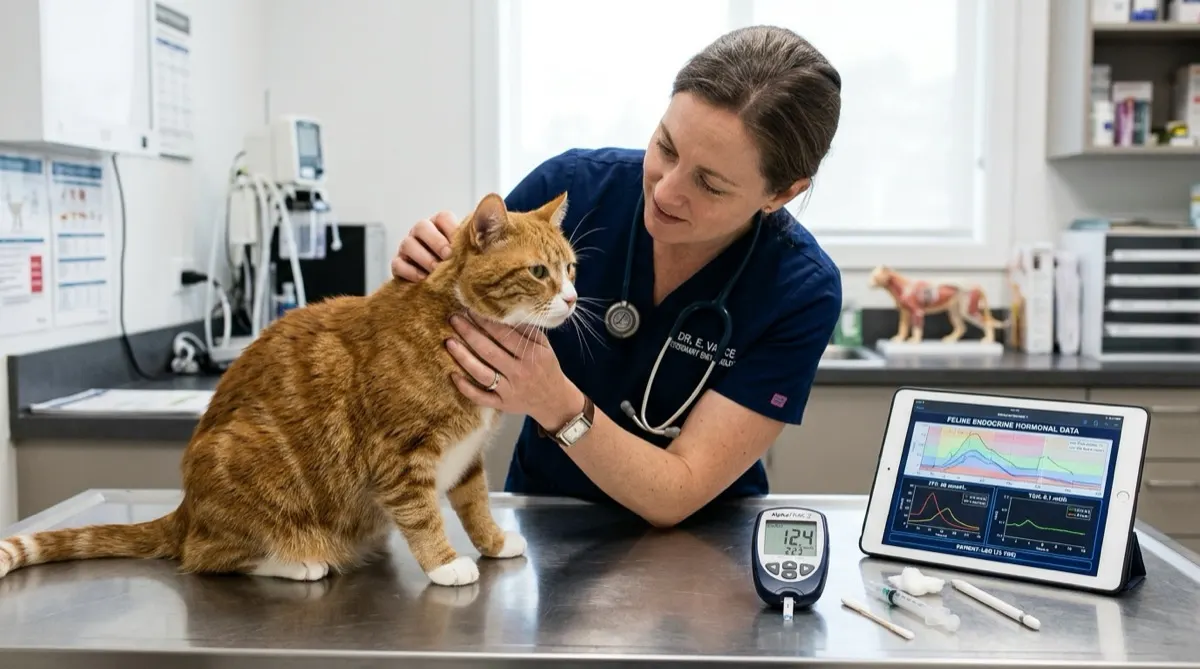
In this guide
Clinical Suspicion in Diabetic Cats
- Severe Insulin Resistance: The cat requires massive, escalating doses of insulin (often > 1.5–2.0 IU/kg/injection) without glycemic control.
- Weight Gain Despite Poor Diabetic Regulation: Unlike classic diabetics experiencing muscle wasting, acromegalic cats often gain weight or preserve thick musculature due to GH anabolic actions.
- Acral and Skeletal Changes: Broadened facial features, mandibular prognathism (undershot jaw), widened interdental gaps, and enlargement of paws.
- Laryngeal Stridor: Soft tissue pharyngeal overgrowth leading to loud snoring and inspiratory noise.
- Cardiomegaly and Nephromegaly: Heart failure and renal compromise secondary to chronic IGF-1 stimulation.
Diagnostic and Treatment Strategies
Diagnosis is established via high serum IGF-1 concentrations (> 1000 ng/mL in insulin-resistant diabetics) confirmed by brain MRI or contrast CT displaying a pituitary mass. Definitive treatment includes transsphenoidal hypophysectomy (yielding diabetic remission in >80% of surgical patients), stereotactic radiation therapy, or medical therapy with the somatostatin analogue pasireotide.
Scientific Sources and References
- Niessen, S. J., et al. (2015). Studying cat (Felis catus) diabetes: investigating the natural role of acromegaly. PLOS ONE, 10(5), e0127794.
- Fletcher, C. A., et al. (2020). Hypophysectomy for the treatment of feline acromegaly. Journal of Veterinary Internal Medicine, 34(6), 2330-2340.
Caring for a cat? Keep their health in your pocket
Register your cat on Nekolife to track vaccination history, weight, and get advice from loving cat parents.
- Vaccine & weight records
- Supportive cat community
- Earn Meow Points & badges
Related pages
Know someone who needs this?