What do kittens eat and how many times a day: guide by age
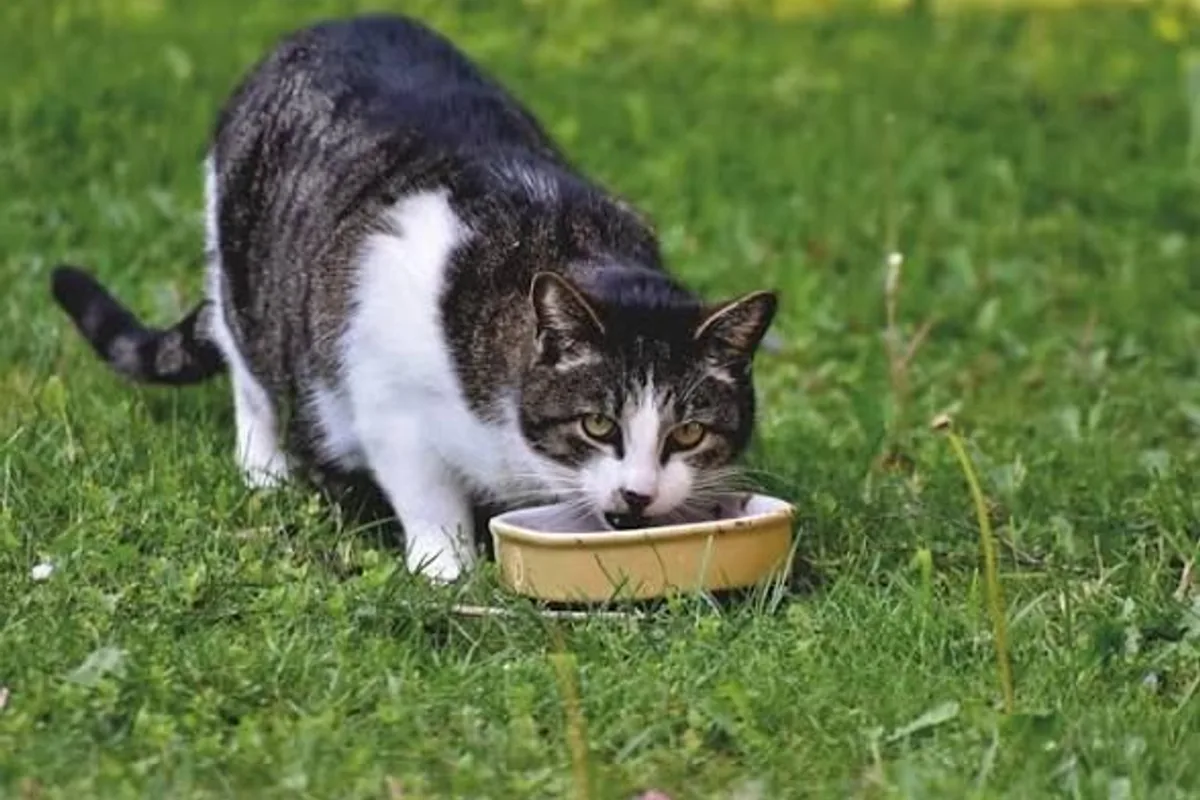
A kitten needs complete commercial kitten food, in small, frequent portions: at least 4 meals a day between 8 and 12 weeks, 3 between 3 and 6 months, and 2 from 6 months. Adult cat food is not enough, because it lacks nutrients for growth.
Quick answers
- What do they eat?Kitten food labeled "complete," wet, dry, or both.
- How many times a day?From 8 to 12 weeks, at least 4; from 3 to 6 months, at least 3; from 6 months, at least 2.
- How much?Start with the amount on the package and adjust by weight and body shape.
- Cow's milk?Better not: many cats do not digest lactose well and get diarrhea.
- Water?Always fresh and clean, away from the food bowl.
In this guide
What a kitten needs to eat
Cats are strict carnivores: they depend on nutrients that only come from animal products, such as taurine. And kittens, because they grow so fast, need more nutrients than an adult.
That is why the safest option is a commercial kitten food that says "complete" on the package: that means it covers everything they need. If it says "complementary," it is not enough on its own. Making a balanced homemade diet for a growing kitten is very hard.
Wet or dry?
Both work if they are complete. iCatCare recommends getting them used to both types from a young age, so later they accept either. Wet food is at least 75% water; dry is between 6% and 10%.
How many times a day a kitten eats
Kittens have a small stomach, so they eat little and often:
| Age | Meals per day |
|---|---|
| 3–4 weeks | Weaning starts: offer wet food or soaked dry food, at least 4 times a day or free choice. |
| 8–12 weeks | At least 4. |
| 3–6 months | At least 3. |
| From 6 months | At least 2 small meals. |
Weaning usually ends around 8 weeks. You can feed on a schedule or leave some dry food free choice, depending on your routine and that of other cats in the house.
How much to give
- Use the package guide as a starting point.
- Weigh them and weigh the food: dry food is very concentrated, and an amount that looks small can be enough.
- Count treats within the daily ration; Cornell suggests they should not go over 10–15% of the day's calories.
- Ask your vet for help to know if their body shape is ideal: obesity is the most common nutrition problem in cats.
When they arrive home and if you want to change their food
For the first days, give them the same food they were eating before, as long as it is complete kitten food: a sudden change plus the stress of moving can cause diarrhea. If you want to switch, do it gradually over 3 to 7 days, mixing more new food with the old each time.
What a kitten must not eat
- Cow's milk and dairy: can cause diarrhea and digestive upset.
- Raw meat or raw diets: can transmit bacteria and parasites to cats and people, and are not complete for kittens.
- Onion, garlic, and chives: damage red blood cells and can cause anemia; cats are more sensitive than dogs.
- Chocolate, coffee, and caffeine: can cause vomiting, tremors, seizures, and even death.
- Alcohol, raw yeast dough, and xylitol (sweetener in gum and candy).
- Bones: can injure or block the digestive tract.
- Canned fish for people: Cornell warns that in some cats it caused neurological problems.
- Supplements without a vet's advice: with a complete diet they are not needed and can do harm.
If you think they ate something toxic, note what and how much, and call your vet right away.
Signs to see the vet
Contact your vet if your kitten:
- Stops eating or eats much less than usual.
- Loses weight or is not gaining weight.
- Has diarrhea or vomiting, especially if it keeps happening.
- Ate something from the list of dangerous foods.
Create a Nekolife account
Raising a kitten is easier when you share questions with other caregivers and have the guides at hand.
Create account — It's free and you'll come right back here.
Frequently asked questions
Can a kitten eat adult cat food?
It is not ideal: adult food does not have the nutrients they need to grow. Use kitten food.
How many times a day does a 2-month-old kitten eat?
At least 4 small meals a day.
Can I give my kitten milk?
Cow's milk, better not: many cats do not tolerate lactose and get diarrhea. If it is a kitten under 8 weeks that still needs bottle feeding, ask your vet how to feed them.
Is wet or dry food better?
Both work if they are complete. The best approach is that they know both from a young age.
Can I leave food out all day?
You can leave some dry food free choice if it works for you, but watch the total amount: unlimited eating can lead to overweight.
Caring for a cat? Keep their health in your pocket
Register your cat on Nekolife to track vaccination history, weight, and get advice from loving cat parents.
- Vaccine & weight records
- Supportive cat community
- Earn Meow Points & badges
Related pages



Sources
- "Caring for your new kitten" (folleto). International Cat Care (iCatCare), 2024. icatcare.org
- "Feeding your cat or kitten". International Cat Care (iCatCare). Updated September 26, 2025. icatcare.org
- "Bringing up a litter of kittens: health considerations". International Cat Care (iCatCare). Updated September 26, 2025. icatcare.org
- "Feeding Your Cat". Cornell Feline Health Center, Cornell University College of Veterinary Medicine. Updated April 30, 2026. vet.cornell.edu
- "People Foods to Avoid Feeding Your Pets". ASPCA Animal Poison Control Center. aspca.org
Know someone who needs this?