When to deworm a kitten: schedule and parasite signs
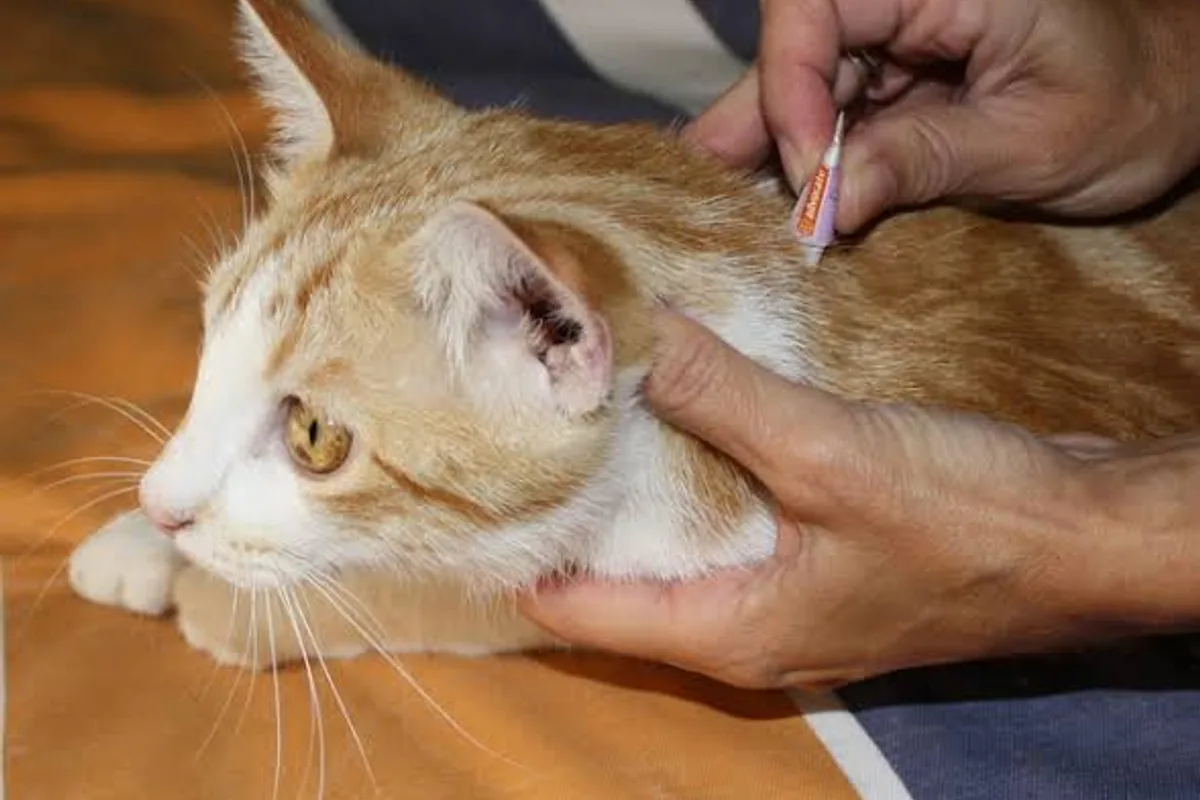
Kittens get dewormed early and often: veterinary guidelines recommend starting between 2 and 3 weeks of age, repeating every 2 weeks until around 8 weeks, then monthly until 6 months. Your vet decides the exact product and frequency based on your kitten's age and lifestyle.
Quick answers
- When is the first time?ESCCAP says at 3 weeks; CAPC proposes starting at 2 weeks.
- How often at the start?Every 2 weeks until 8 weeks or until 2 weeks after weaning.
- And after that?Every month until 6 months. From 6 months, every 1 to 3 months depending on risk.
- What if I adopted them already older?Ask what dewormer they received and when, and take them to the vet to continue the plan.
- Can they have worms even if they look healthy?Yes: most cats with parasites show no symptoms.
In this guide
Why kittens get dewormed so often
Roundworms (ascarids) are very common in kittens because they pass from the mother to the young through the milk. That is why the guidelines do not wait for symptoms and deworm from the first weeks.
In kittens, a heavy worm burden can slow growth, cause diarrhea, vomiting, and a swollen belly, and in severe cases even an intestinal blockage. Also, some cat parasites can infect people, especially children.
Deworming schedule by age
The three guides consulted agree on the essentials, with small differences:
| Age | What the guides recommend |
|---|---|
| 2–3 weeks | First dose against roundworms: at 3 weeks according to ESCCAP and iCatCare, at 2 weeks according to CAPC. |
| Until ~8 weeks | Repeat every 2 weeks (until 8 weeks or until 2 weeks after weaning). |
| 2 to 6 months | Once a month. ESCCAP especially indicates this if there is ongoing risk, for example if they go outdoors. |
| From ~12 weeks | Tapeworm treatment usually starts; before that age it is only needed if the kitten has fleas. |
| From 6 months | Every 1 to 3 months with a product against roundworms and tapeworms. |
If the mother is nursing, she is dewormed at the same time as the litter, because she may also be infected.
After 6 months: according to how your cat lives
ESCCAP proposes adjusting frequency to each cat's risk:
- Indoor cat (does not go out, or only to a closed patio or garden, and does not hunt): 1 or 2 times a year against intestinal worms, or fecal tests at that same frequency.
- Cat that goes out and may hunt: 4 to 12 times a year.
- Home with young children or immunocompromised people: monthly deworming is usually recommended.
- If the risk is unclear: at least 4 times a year.
CAPC also recommends fecal tests at least four times during the first year of life.
Fleas and tapeworms: they go together
One of the cat's tapeworms (Dipylidium caninum) is transmitted when the cat swallows an infected flea. iCatCare notes that, in kittens, tapeworms are usually only a problem if they also have fleas. So if your kitten has fleas, the vet may also prescribe a tapeworm treatment, and it helps to control fleas at the same time. We explain it in the guide on fleas in cats.
How to do it right at home
- Ask about the history: when you adopt, find out if they were already dewormed and with what product.
- Ask for a product for their age: your vet tells you which one is suitable for a kitten of that age.
- Note the dates of each dose so you do not skip any.
- Reward them afterward: iCatCare suggests giving something tasty after the tablet or pipette so they associate it with something good.
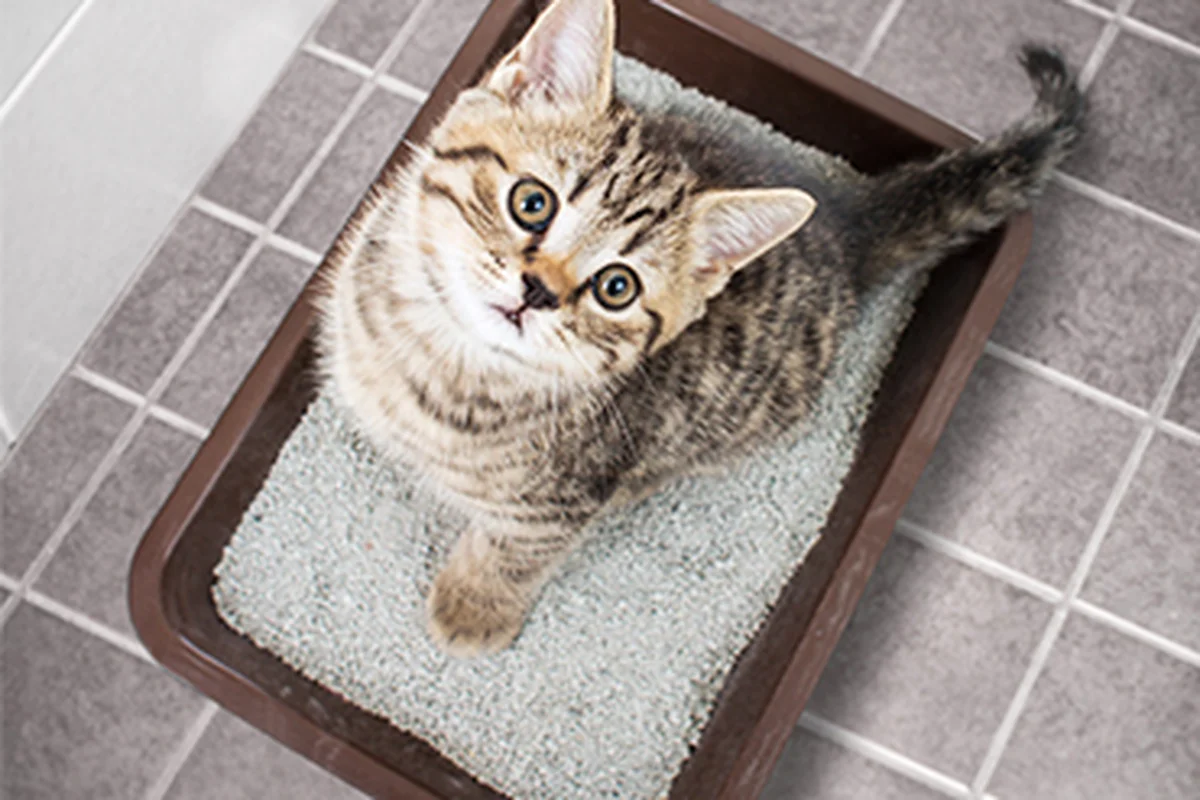
- Hygiene: scoop the litter box daily and wash your hands after cleaning it or playing with them, especially if there are children at home.
Signs to see the vet
Contact your vet if your kitten:
- Has diarrhea, vomiting, or a very swollen belly.
- Is not gaining weight, eats little, or has a dull coat.
- Coughs or breathes with difficulty.
- You see worms in their feces or vomit, or they irritate the anal area a lot.
- Is lethargic or very weak: in kittens, a strong infection can be serious.
Create a Nekolife account
Keeping your kitten's schedule is easier when you share questions with other caregivers and have the guides at hand.
Create account — It's free and you'll come right back here.
Frequently asked questions
At what age is a kitten dewormed for the first time?
Between 2 and 3 weeks of age, depending on the guide: CAPC says 2 weeks and ESCCAP and iCatCare 3 weeks.
How often is a kitten dewormed?
Every 2 weeks until around 8 weeks, then once a month until 6 months. After that it depends on your cat's risk.
My kitten never goes outside — do they still need deworming?
Yes. Kittens often bring worms from nursing. As adults, indoor cats need fewer doses (1 or 2 a year) or fecal tests.
How do I know if my kitten has worms?
Often you cannot tell. Sometimes you see worms in the feces or vomit, or there is diarrhea, a swollen belly, or poor growth. The vet confirms it with a fecal test.
Can cat worms infect people?
Some can, especially children, by swallowing eggs from contaminated soil or sand. That is why deworming, scooping the litter daily, and washing hands matter.
Caring for a cat? Keep their health in your pocket
Register your cat on Nekolife to track vaccination history, weight, and get advice from loving cat parents.
- Vaccine & weight records
- Supportive cat community
- Earn Meow Points & badges
Related pages




Sources
- "Caring for your new kitten" (folleto). International Cat Care (iCatCare), 2024. icatcare.org
- "Worm Control in Dogs and Cats" (Modular Guide Series, MG1). ESCCAP (European Scientific Counsel Companion Animal Parasites), actualización 2026. esccap.org
- "Scheme for individual worm management in cats" (ficha GL1). ESCCAP. esccap.org
- "General Guidelines for Dogs and Cats". Companion Animal Parasite Council (CAPC). Updated April 24, 2025. capcvet.org
- Weir, M.; Llera, R.; Panning, A.; Ward, E. "Roundworm Infection in Cats". VCA Animal Hospitals. vcahospitals.com
Know someone who needs this?