BARF Diet for Cats: How to Start, Exact Ratios, and Veterinary Safety
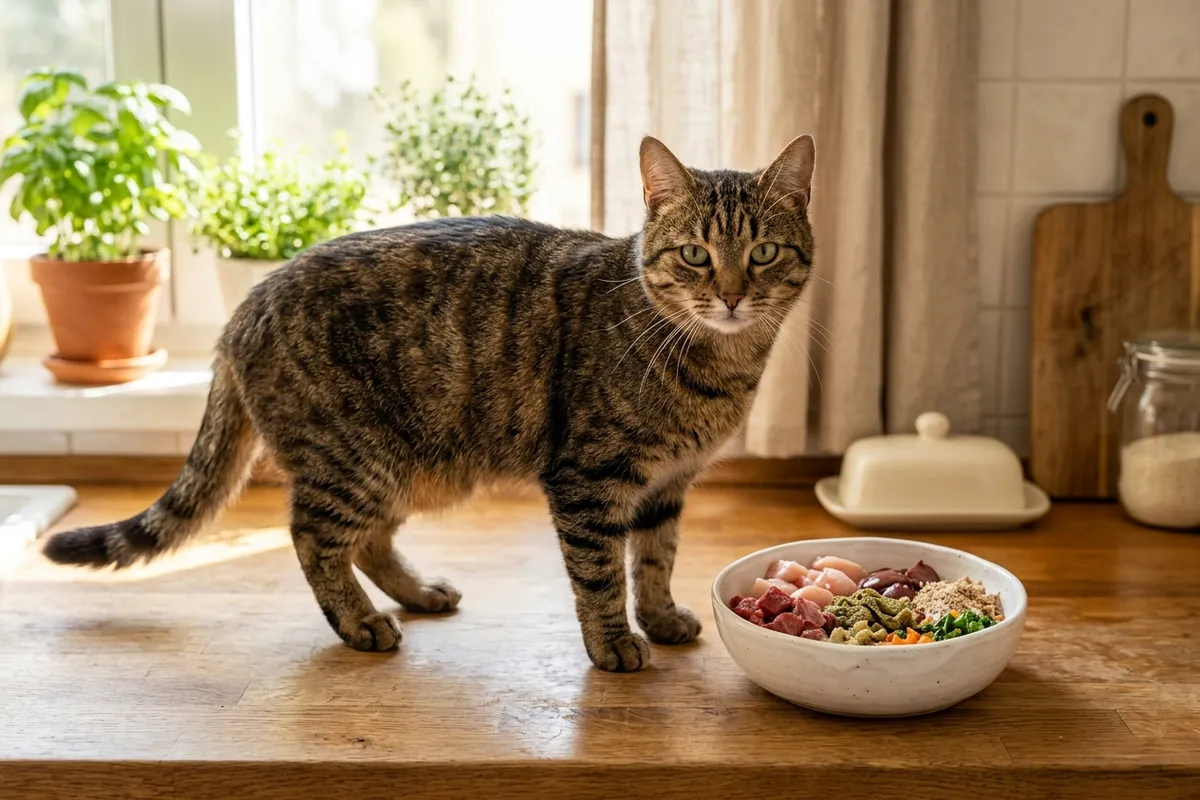
Biologically Appropriate Raw Food (known internationally as the BARF diet) has gained massive popularity among cat guardians seeking to replace heavily processed dry kibble with natural, species-appropriate ingredients. However, feeding a cat raw food does not mean simply tossing a chicken breast into a bowl: domestic cats are obligate carnivores with unique metabolic pathways and non-negotiable nutritional requirements. Imbalances in calcium, phosphorus, or taurina can quickly lead to irreversible blindness, dilated cardiomyopathy, or spontaneous skeletal fractures.
In this guide
1. What is the BARF Diet and Why Are Cats Obligate Carnivores?
Unlike dogs or humans, who possess evolutionary adaptations to digest carbohydrates and starches, *the domestic cat (Felis catus) is an obligate or strict carnivore*. Every physiological system is optimized to derive glucose and cellular energy directly from animal proteins and fats:
- Ultra-Short Digestive Tract: A cat's small intestine is only about three times its body length. This allows fresh raw meat to digest rapidly before pathogenic coliform bacteria have time to colonize.
- Hyper-Acidic Gastric pH: When processing pure animal protein, feline stomach acid drops to a pH of 1 to 2, an acidic barrier that neutralizes common bacterial pathogens and dissolves soft raw cartilage and bone fragments.
- Absence of Salivary Amylase: Cats produce zero salivary amylase and maintain negligible hepatic glucokinase activity. They are biologically incapable of efficiently metabolizing diets containing 40% to 50% plant grains, legumes, or starches.
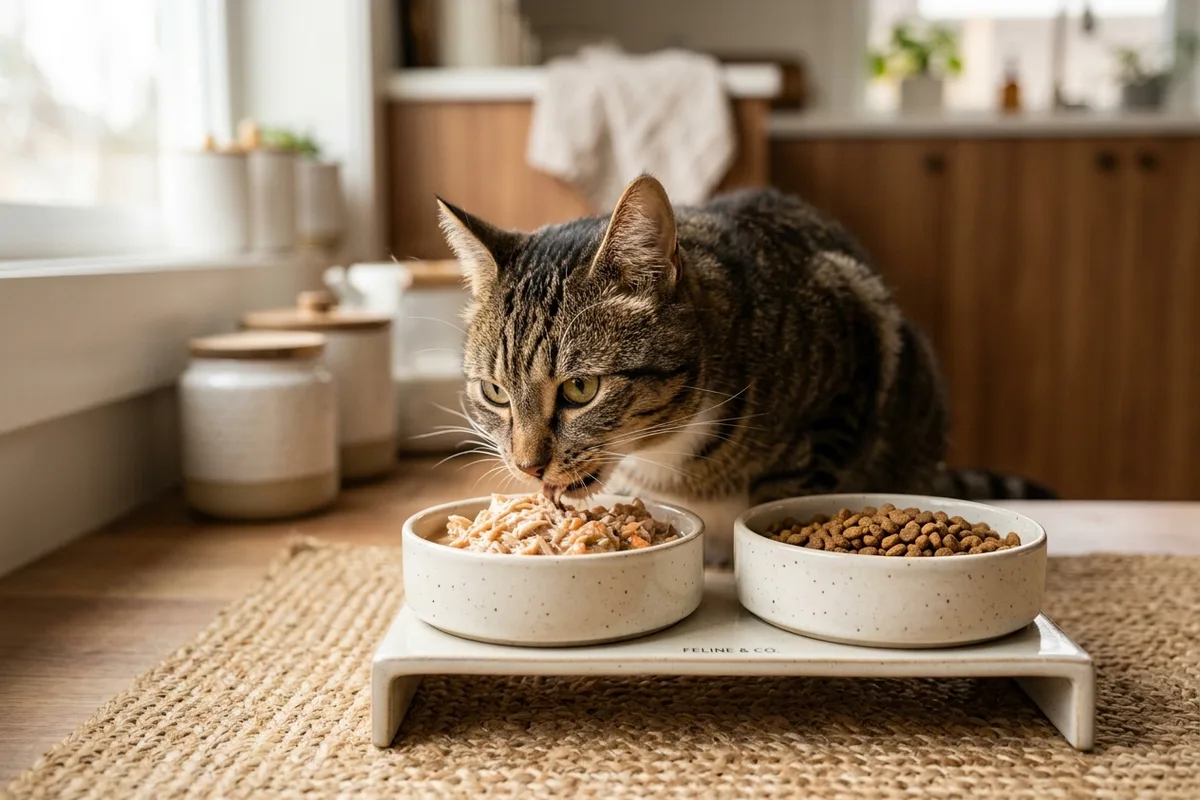
For a detailed evaluation of commercial diets, read our guide on wet food vs. dry kibble for cats.
---
2. The Feline Mathematical Formula: 70-10-10-10 Ratios
Applying canine raw feeding guides to felines is a dangerous mistake. Cats require significantly higher muscle protein percentages and precise mineral balance:
```
┌─────────────────────────────────────────────────────────────┐
│ FELINE BARF NUTRITIONAL PYRAMID (100% of Daily Ration): │
│ │
│ 70% - LEAN MUSCLE MEAT (Turkey, chicken, rabbit, beef) │
│ *Must include 10% to 15% heart (for natural taurine) │
│ 10% - EDIBLE RAW MEATY BONE (Chicken necks, wing tips) │
│ 10% - ORGANS (5% essential Liver + 5% Kidney or Spleen) │
│ 5% - BONE BROTH / WATER (Pure species-appropriate fluid) │
│ 5% - ESSENTIAL SUPPLEMENTS (Taurine, Marine Omega-3, Vit E│
└─────────────────────────────────────────────────────────────┘
```
1. Lean Muscle Meat (70%):
Provides structural amino acids, moisture, and essential fatty acids. Rotate across at least three protein sources monthly: skinless turkey breast, deboned rabbit, lean beef, and chicken thigh.
2. Edible Raw Meaty Bones (10%):
Never feed cooked bones of any kind. Cooking denatures bone collagen, rendering bones brittle, dry, and prone to splintering into sharp shards that cause fatal intestinal punctures. Raw meaty bones (such as trimmed chicken necks or crushed wing tips) remain flexible and digestible, supplying the ideal calcium-to-phosphorus ratio of 1.1:1 to 1.3:1.
3. Secreting Organs (10%):
Liver (5%) is nature's multivitamin, providing concentrated vitamin A, copper, and bioavailable iron. However, feeding excessive liver leads to vitamin A toxicity (hypervitaminosis A). The remaining 5% must come from other secreting organs such as kidney, spleen, brain, or thymus.
---
3. Mandatory Non-Negotiable Supplements
Commercially butchered meat sold for human consumption is drained of blood and washed, depleting micronutrients that a cat would naturally ingest from whole prey:
| Supplement | Vital Biological Function | Recommended Daily Dosage |
|---|---|---|
| Free Taurine Powder | Prevents central retinal degeneration (blindness) and dilated cardiomyopathy | 250 to 500 mg pure taurine powder dissolved in warm water |
| Marine Omega-3 Oil | Anti-inflammatory EPA/DHA supporting kidneys, joints, and coat health | 250 to 500 mg combined EPA/DHA from wild salmon or krill oil |
| Natural Vitamin E (D-alpha-tocopherol) | Essential cellular antioxidant to prevent yellow fat disease (steatitis) | 10 to 20 IU per kg of prepared meat |
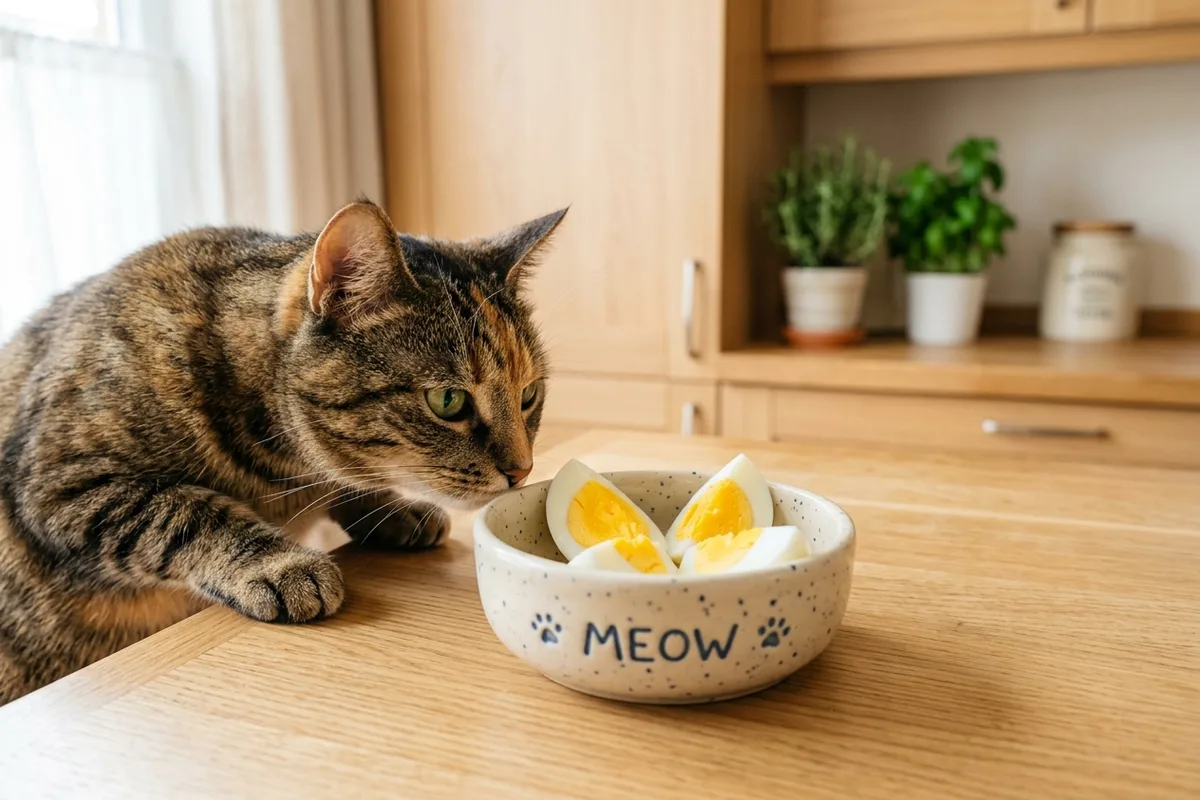
| Eggshell Calcium Powder (If bone-free) | Binds dietary phosphorus when edible raw bones are not tolerated | 5 to 6 grams finely powdered eggshell per kg of meat |
> [!NOTE]
> Taurine is water-soluble; any excess is excreted harmlessly through urine. However, even a short-term taurine deficiency causes catastrophic damage to feline cardiac muscle.
---
4. Bacterial Safety and Hygiene: Managing Pathogens
Concerns regarding Salmonella, E. Coli, or parasites can be mitigated through strict food safety standards:
```
[Human-Grade Fresh Meat]
│
▼
Deep Freezing at -20°C / -4°F (Minimum 72 to 120 Hours)
→ Inactivates parasites (Toxoplasma gondii)
│
▼
Slow Thawing inside Refrigerator (4°C / 39°F)
→ Prevents ambient bacterial blooms
│
▼
Feline Stomach (pH 1.5) + Rapid Transit Time
→ Pathogens are destroyed and excreted within hours
```
- Kitchen Hygiene: Clean cutting boards, stainless steel knives, and feeding bowls thoroughly with hot soapy water after every preparation. Immunocompromised individuals and young children should not handle raw pet food bowls.
- Meat Sourcing: Use exclusively human-grade meats from certified inspected suppliers. Avoid commercial pre-ground meat tubes meant for human cooking, as the extensive surface area encourages rapid bacterial growth.
Review ingredients that must never enter a cat's bowl in our guide to toxic plants and foods for cats.
---
5. Step-by-Step 4-Week Transition Protocol
A cat accustomed to dry kibble maintains a less acidic gastric pH and an altered intestinal microbiome. Sudden changes cause gastrointestinal distress:
Week 1: Transition to High-Protein Wet Food
If your cat eats dry kibble, switch first to a grain-free complete wet food. Establish scheduled meal times (2 to 3 meals daily) and remove all free-feeding dry bowls.
Week 2: Introduce Lightly Seared Meat Treats
Offer bite-sized cubes of chicken breast or lean beef, seared briefly on a hot skillet (cooked on the outside, completely raw in the center) as independent positive treats. Monitor digestive tolerance and stool consistency.
Week 3: Partial Meal Replacement
Replace 25% of one daily wet meal with complete finely ground BARF food. Never mix dry kibble and raw meat together in the same bowl, as their vastly different digestion times (kibble requires 8 to 12 hours) cause gastric fermentation and distress.
Week 4: Full Raw Integration
Gradually increase raw proportions: 50%, 75%, and finally 100%. Cats transitioned to balanced raw food produce noticeably smaller, firm, virtually odorless stools due to nutrient absorption rates exceeding 90%.
---
Frequently asked questions
Will raw bones splinter and puncture my cat's stomach?
Raw meaty bones do not splinter when surrounded by meat. The hydrochloric acid in a feline stomach dissolves raw bone mineral matrices within hours. The lethal danger lies exclusively in cooked, baked, or fried bones.
Can a cat with chronic kidney disease eat a BARF diet?
This requires strict veterinary guidance. Early-stage CKD cats benefit from highly digestible proteins, but dietary phosphorus must be strictly restricted (eliminating bones and substituting them with calcium carbonate or powdered eggshell). Consult your veterinarian and read our guide on chronic kidney disease in cats.
Is the BARF diet suitable for kittens?
Yes, but growing kittens require higher caloric intake (6% to 10% of their body weight) and precise calcium-to-phosphorus ratios to prevent nutritional secondary hyperparathyroidism. If raising a young kitten, first review what do kittens eat. ---
Caring for a cat? Keep their health in your pocket
Register your cat on Nekolife to track vaccination history, weight, and get advice from loving cat parents.
- Vaccine & weight records
- Supportive cat community
- Earn Meow Points & badges
Related pages
Sources
Know someone who needs this?