Eggs in Feline Nutrition: Biological Value, the Raw Egg Myth and Safe Feeding
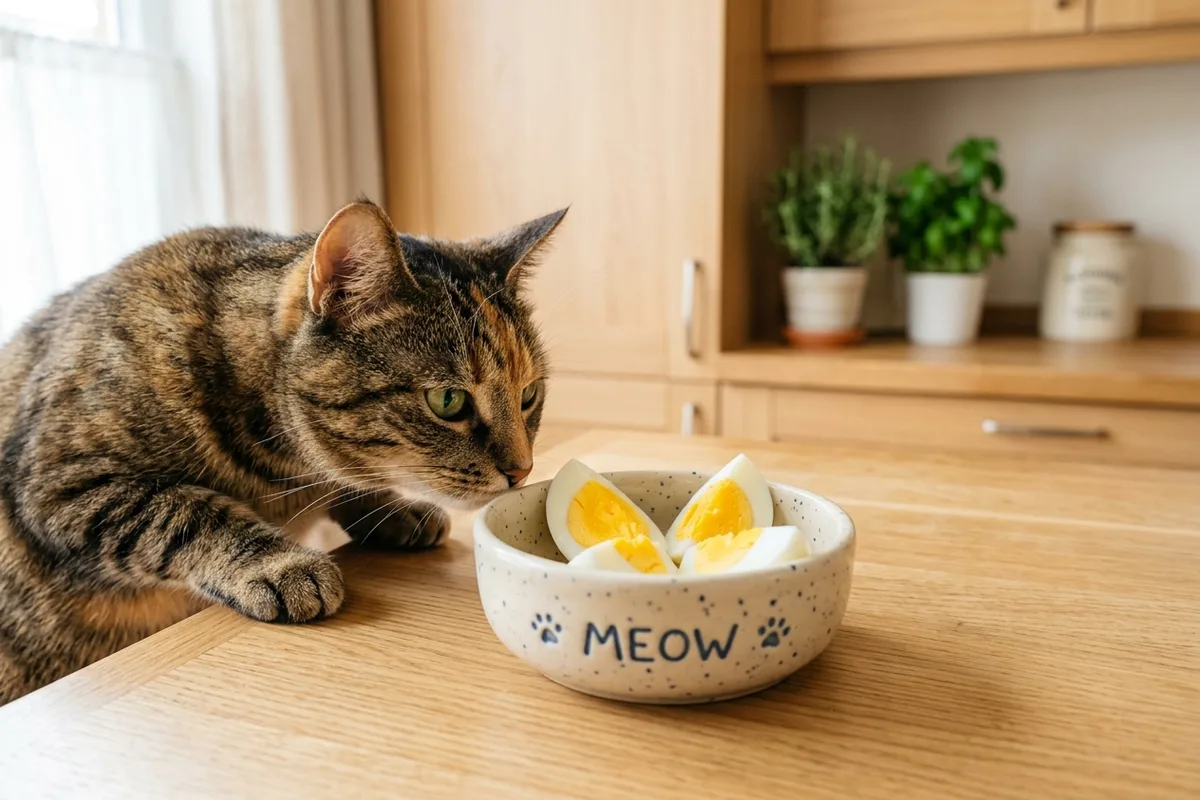
The whole egg is regarded as the golden benchmark of animal protein due to its Biological Value (BV = 100). It delivers every essential amino acid required by an obligate carnivore in near-ideal proportions. However, how eggs are served sparks ongoing discussion among caregivers: raw to protect enzymes, or thoroughly cooked to eliminate pathogens?
In this guide
1. Raw Egg Whites and the Avidin Trap
Biotin is vital for lipid synthesis, skin barrier maintenance, and cellular growth. When a feline eats uncooked egg whites:
- Avidin binds tightly to biotin in the digestive tract.
- The bonded structure resists gastric and intestinal enzymatic digestion.
- The animal excretes the unabsorbed vitamin, eventually showing periocular alopecia (hair loss around eyes), dry scaly dermatitis, and dull coat texture.
Cooking denatures avidin, transforming it into an easily digestible dietary protein while neutralizing bacterial contamination.
---
2. Clinical Benefits of the Egg Yolk
The cooked yolk is a nutritional powerhouse for convalescent cats, seniors, or those with dry skin:
- Choline: Direct precursor of acetylcholine (key for cognitive function) and an essential lipotropic nutrient protecting hepatocytes from lipidosis.
- Lutein and Zeaxanthin: Protect retinal tissues from oxidative degeneration.
- Essential Fatty Acids: Synergizes with omega-3 salmon oil supplements to support coat health.
---
3. Can Eggs Trigger Food Allergies?
While nutritious, eggs are recognized as common feline food allergens alongside beef, poultry, and fish. If your pet suffers from non-seasonal itching or recurrent diarrhea, consult our guide to feline food allergies and elimination diets.
---
4. Proper Preparation and Serving Size
- Hard-boiled: Boil in clean water for 9 to 10 minutes, cool, peel thoroughly, and mince finely.
- Plain scrambled: Cook in a non-stick pan or microwave with zero oil, butter, salt, or seasonings.
Serving guidelines:
- 4 kg adult cat: 1 to 2 teaspoons of minced cooked egg (15-20 g) 2 times per week.
- Never replace primary meals: Whole eggs do not provide sufficient calcium or taurine to serve as a complete standalone food.
---
5. Emergency Warning: Bacterial Gastroenteritis
If your cat accidentally ingested raw or spoiled eggs and develops watery foul diarrhea, persistent vomiting, high fever, or severe weakness within 24 hours, seek immediate care at an emergency veterinary clinic to begin fluid therapy and infection control.
---
Scientific Sources & References
- National Research Council (NRC, 2023): Nutrient Requirements of Dogs and Cats: Protein quality, biological value and avidin kinetics.
- Journal of the American Veterinary Medical Association (JAVMA, 2022): Salmonellosis in companion animals: risks associated with raw poultry and egg feeding.
- FEDIAF Scientific Advisory Board (2024): Feline nutritional standards and safe supplementary food incorporation.
Caring for a cat? Keep their health in your pocket
Register your cat on Nekolife to track vaccination history, weight, and get advice from loving cat parents.
- Vaccine & weight records
- Supportive cat community
- Earn Meow Points & badges
Related pages
Know someone who needs this?