Toxic Plants and Foods for Cats: Full Hazard List, Symptoms, and Emergency Protocol
The feline metabolism is physiologically distinct from almost every other domestic mammal. As obligate carnivores, cats have an evolutionary deficiency in several key liver enzymes responsible for detoxifying foreign organic compounds, most notably hepatic glucuronyl transferase. Because of this biochemical bottleneck, everyday human foods and common ornamental houseplants that are completely safe for dogs or humans can be life-threatening to a cat, even in minuscule trace amounts.
In this guide
Hazardous and Forbidden Human Foods
Sharing table scraps under the impression that "a tiny bite won't hurt" is one of the leading causes of toxicological emergency visits for domestic cats. The table below outlines the most hazardous foods for feline health:
| Dangerous food | Toxic principle | Risk threshold | Organ damage caused |
|---|---|---|---|
| Onions, garlic, leeks, chives | Allyl propyl disulfides and thiosulfates | Very low (even powdered or in broths) | Oxidizes hemoglobin, triggering Heinz body hemolytic anemia. |
| Chocolate and coffee | Theobromine and caffeine (methylxanthines) | Moderate to low (dark/baker's chocolate is deadliest) | Tachycardia, severe cardiac arrhythmias, tremors, hyperthermia, seizures. |
| Grapes and raisins | Idiopathic tartaric acid compounds | Unpredictable (a single grape can trigger toxicity) | Acute, irreversible renal failure. |
| Raw bread dough | Live yeast (Saccharomyces) | Any ingestion | Gastric fermentation producing ethanol poisoning and dangerous stomach bloat. |
| Alcohol and mouthwash | Ethanol and isopropanol | Tiny drops | Metabolic acidosis, central nervous system depression, respiratory arrest. |
| Xylitol (birch sugar) | Sugar alcohol sweetener | Milligram range | Massive insulin surge causing acute hypoglycemic shock and hepatic necrosis. |
| Cooked bones and fish bones | Splintering fragments | A single piece | Esophageal tears, stomach perforation, or septic peritonitis. |
| Cow's milk and rich cheeses | High lactose content | Moderate amounts | Severe osmotic diarrhea, abdominal cramping, and dehydration (see can kittens drink milk). |
The silent threat of the Allium family (Garlic and onions)
Garlic and onions are up to five times more toxic to felines than to canines. Sulfur compounds break down the delicate cell membranes of red blood cells, causing them to rupture within the bloodstream. The most dangerous aspect of this toxicity is the delay: clinical signs (lethargy, pale or jaundiced gums, brown or red urine, collapse) often surface 2 to 5 days after ingestion, when anemia has already progressed to life-threatening levels requiring emergency blood transfusions. Always inspect human baby food purees and canned gravies, as onion powder is frequently added for flavor.
Methylxanthines: Chocolate, coffee, and energy drinks
Cats cannot rapidly metabolize theobromine. Baker's cocoa and dark chocolate carry dense concentrations of methylxanthines. These chemicals overstimulate the central nervous system and cardiovascular system, inducing lethal ventricular arrhythmias and seizures within 4 to 12 hours.
---
Highly Toxic Indoor and Garden Plants
Cats instinctively chew on fresh green foliage to stimulate gut motility and provide environmental enrichment. However, many of the world's most popular decorative houseplants are hidden poisons.
1. The number one fatal hazard: True Lilies (Lilium and Hemerocallis)
There is zero safe exposure limit to true lilies (including Easter lilies, tiger lilies, stargazer lilies, and daylilies). While the exact chemical toxin is still being researched, its targeted nephrotoxicity is entirely exclusive to felines:
- Exposure routes: Chewing half a leaf, biting a petal, drinking stagnant water from the vase, or merely grooming microscopic yellow pollen grains off their fur after brushing past the flowers.
- Clinical progression: Vomiting and hypersalivation appear within 1 to 2 hours. Between 24 and 72 hours, irreversible acute anuric kidney failure develops (the kidneys stop producing urine). Without aggressive IV fluid therapy initiated within the first 6 hours, mortality rates exceed 90%.
2. Araceae family with insoluble calcium oxalate crystals
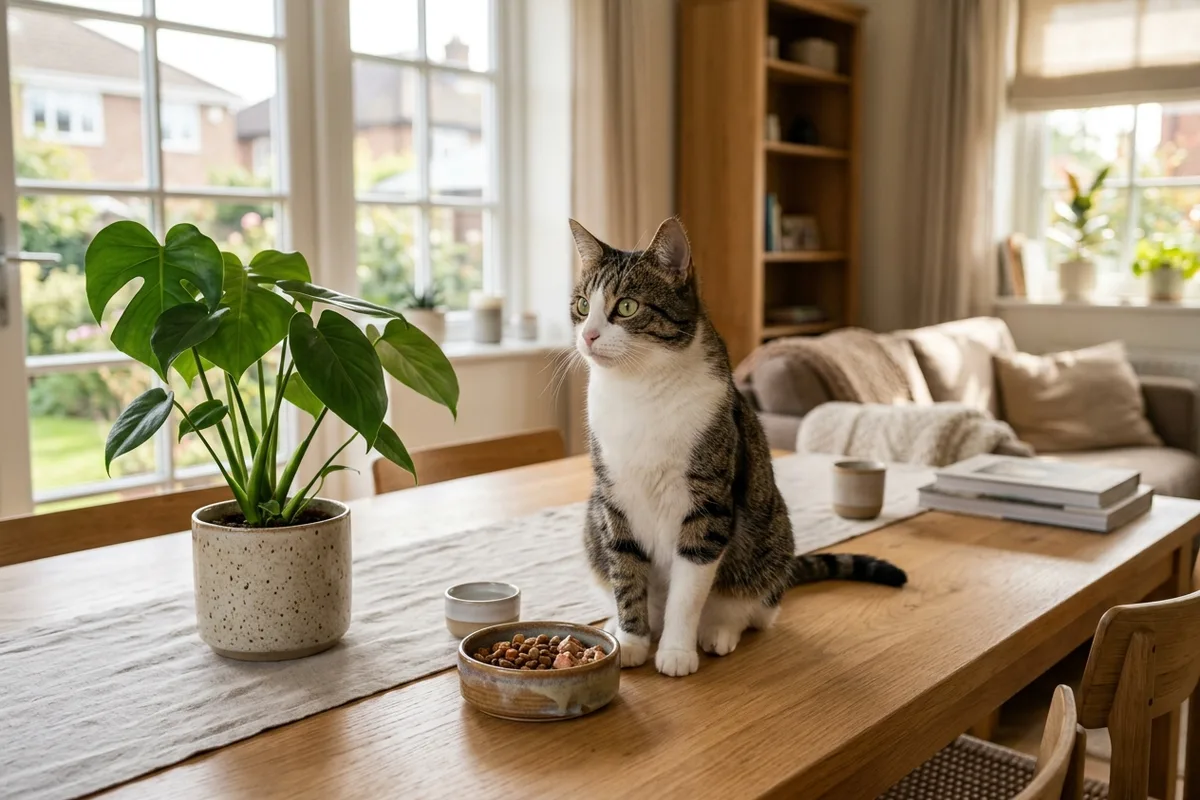
Staple decorative plants such as Monstera deliciosa (Swiss Cheese plant), *Pothos (Epipremnum aureum), Philodendrons, Peace Lilies (Spathiphyllum), and Dieffenbachia (Dumb Cane)* contain microscopic needle-shaped crystals called raphides. When chewed, specialized plant cells violently eject these micro-needles into the oral mucosa and pharynx:
- Immediate symptoms: Acute burning mouth pain, intense drooling, pawing at the mouth, vocalizing, and swollen lips or tongue.
- Severe complications: If secondary laryngeal edema develops, it can obstruct the airway and cause respiratory distress.
3. Other critically hazardous flora
- *Poinsettia (Euphorbia pulcherrima):* Its milky white sap produces chemical contact dermatitis, conjunctivitis, and acute gastrointestinal irritation with vomiting.
- *Oleander (Nerium oleander) and Foxglove (Digitalis):* Packed with cardiac glycosides that disrupt the heart's sodium-potassium pumps, leading to lethal bradycardia and cardiac arrest.
- *Sago Palm (Cycas revoluta):* Cycasin causes fulminant liver failure and fatal internal bleeding in more than 50% of exposed pets.
- *Hydrangeas (Hydrangea):* Harbor cyanogenic glycosides that liberate toxic cyanide upon gastric digestion.
---
Cat-Friendly Houseplants (Safe Non-Toxic Alternatives)
Living with felines does not mean giving up lush greenery. You can safely decorate your home with ASPCA-certified non-toxic alternatives:
- *Cat Grass / Catnip (Nepeta cataria):* Provides safe sensory enrichment and harmless olfactory stimulation through natural nepetalactone.
- *Spider Plant (Chlorophytum comosum):* Air-purifying, hardy, and completely safe if a curious kitten nibbles on the dangling fronds.
- *Calatheas and Prayer Plants (Calathea, Maranta):* Stunning, tropical foliage with zero feline toxicity.
- *Boston Fern (Nephrolepis exaltata):* Lush, dramatic, and ideal for hanging baskets away from direct jumping paths.
- *Peperomias (Peperomia obtusifolia and hybrids):* Perfect for coffee tables and low shelves.
- *Areca Palm or Bamboo Palm (Dypsis lutescens):* Adds tropical scale without posing health hazards.
- Wheatgrass or Oat Sprout Trays: Satisfies the instinctual urge to graze on fiber while supporting digestive health.
---
Poisoning Symptom Traffic Light
Symptoms of feline toxicosis differ depending on whether the renal, hepatic, neurological, or digestive system is targeted. Use this clinical traffic light to assess urgency:
| Urgency level | Observable clinical signs | Recommended response time |
|---|---|---|
| Green: Close monitoring | Mild drooling after licking a non-toxic leaf, single episode of grass regurgitation, normal energy and appetite. | Remove the plant, gently rinse the mouth with fresh water, and observe for 12 hours. |
| Yellow: Clinic visit within 12 hours | Persistent hypersalivation, multiple vomiting episodes in a few hours, watery diarrhea, fixed dilated pupils, lethargy, withdrawal. | Contact your veterinary clinic immediately for a scheduled same-day appointment. |
| Red: Immediate 24/7 life-threatening emergency | Any suspected or confirmed contact with lilies, muscle tremors or seizures, staggering uncoordinated gait (ataxia), blue or pale gums, collapse, open-mouth panting. | Transport the cat immediately in a carrier to the nearest 24/7 veterinary emergency hospital. |
If your cat is experiencing recurring emesis, review our diagnostic guide on cat vomiting: causes and when to see a vet. If fluid loss is manifesting as watery stools, consult kitten diarrhea: causes and vet care.
---
Emergency Protocol: What to Do and What to Avoid
In an acute poisoning scenario, improper home interventions can inflict more bodily harm than the poison itself.
What you must NEVER do
- DO NOT induce vomiting at home with hydrogen peroxide, salt, or mustard: Cats have a delicate esophageal anatomy that makes aspiration into the lungs exceptionally likely. Furthermore, hydrogen peroxide induces severe ulcerative and hemorrhagic gastritis in felines.
- DO NOT give milk, butter, or olive oil: Fats do not coat or "neutralize" poisons; instead, they accelerate the intestinal absorption of lipophilic toxins and worsen dehydration.
- DO NOT administer human medication: Common household pain relievers (acetaminophen, ibuprofen, aspirin) cause fatal toxicity in cats.
Step-by-step emergency action plan
- Remove the cat from the toxic source: Clear any remaining plant or food debris from the mouth with a damp cloth if safe to do so.
- Identify and photograph the culprit: Snap a clear photo of the plant, packaging label, or food product. Bring a physical sample in a sealed plastic bag to the hospital.
- Estimate time and volume: Note when the exposure occurred and how much may have been ingested.
- Call the emergency vet clinic en route: Alert them to your arrival so staff can prepare stabilization oxygen, specific reversal agents, or medical-grade activated charcoal.
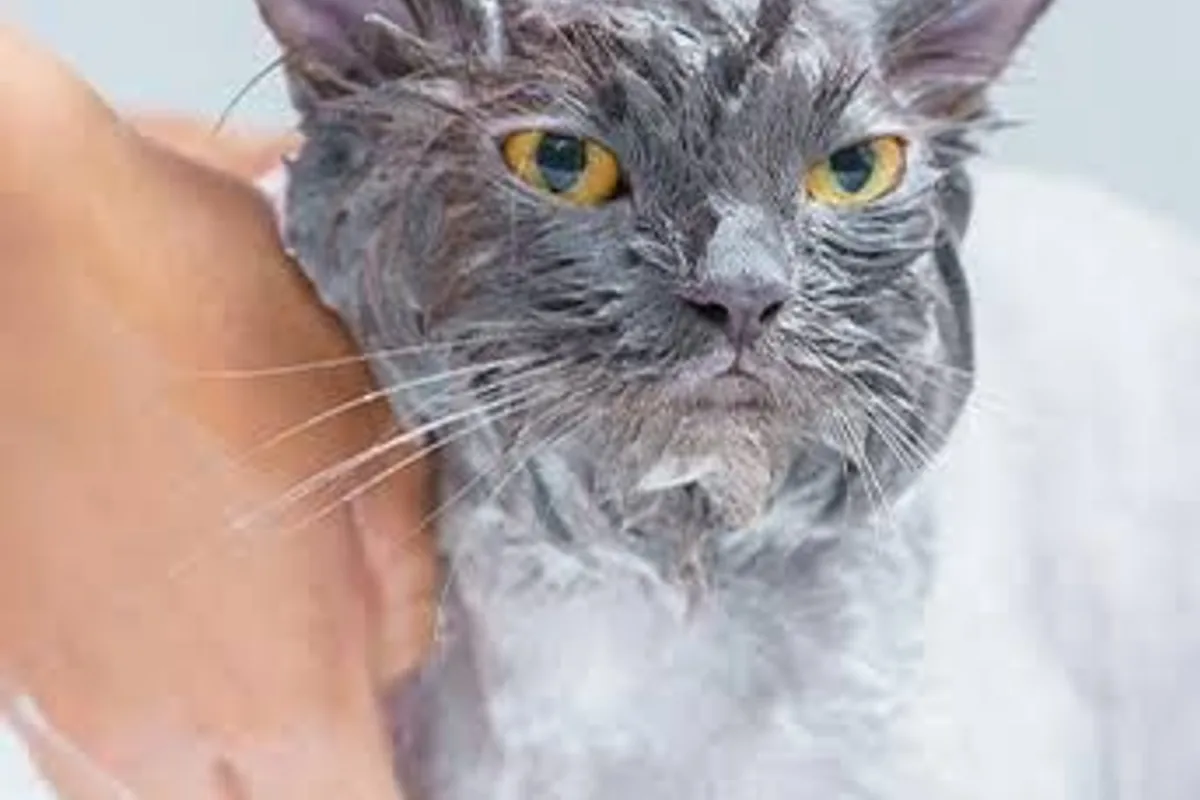
- For coat or pollen exposure: Wipe fur thoroughly with a damp washcloth or give a quick lukewarm water sponge bath to prevent the cat from licking toxic residues during grooming, adhering to our guidelines on how to safely bathe a cat.
---
Frequently Asked Questions about Feline Toxins
Why do cats eat plants if they are carnivores?
In wild settings, nibbling plant matter provides indigestible roughage that stimulates stomach contractions, helping expel indigestible hairballs and parasites. Domestic indoor cats also chew plants out of boredom, oral curiosity, or stress. To redirect this safely, keep fresh wheatgrass available and consult our complete kitten and cat care guide.
Are essential oil diffusers safe around cats?
No. Essential oils (such as eucalyptus, tea tree, lavender, citrus, and peppermint) contain concentrated volatile terpenes and phenols. Cats lack the liver enzymes required to conjugate and excrete these compounds, resulting in respiratory irritation, ataxia, and acute liver failure from inhaled vapors or skin contact. Avoid ultrasonic diffusers in rooms where cats reside.
What if my cat only licked lily pollen off its nose?
Treat this as a life-threatening medical emergency. Wipe away any remaining yellow dust with a damp paper towel and transport your cat to an emergency vet hospital immediately, even if they show no symptoms yet. Early IV fluid decontamination before kidney damage takes hold is the only reliable way to save their life.
---
Keeping your home safe from toxic hazards is easier when you have clear veterinary guidance and community support.
Create account — It's free and brings you right back here.
---
Caring for a cat? Keep their health in your pocket
Register your cat on Nekolife to track vaccination history, weight, and get advice from loving cat parents.
- Vaccine & weight records
- Supportive cat community
- Earn Meow Points & badges
Related pages
Sources
- "Toxic and Non-Toxic Plant List - Cats". ASPCA Animal Poison Control Center (APCC). aspca.org
- "Lilies and Cats: A Lethal Combination". Pet Poison Helpline, 2024. petpoisonhelpline.com
- "Harmful foods and plants for cats: clinical management". International Cat Care (iCatCare), 2024. icatcare.org
- "Feline Toxicology: Mechanism of Heinz Body Anemia in Allium Toxicosis". Journal of Feline Medicine and Surgery, AAFP. journals.sagepub.com
- "Foods you should never feed to your cat". Cornell Feline Health Center, Cornell University College of Veterinary Medicine. vet.cornell.edu
- "BSAVA Guide to Toxins and Poisons in Small Animals". British Small Animal Veterinary Association, 2023.
Know someone who needs this?