Feline Dysautonomia: Autonomic Failure, Fixed Dilated Pupils and Management
Feline dysautonomia (also known as Key-Gaskell syndrome) is a severe, generalized autonomic polyneuropathy characterized by the selective degeneration of sympathetic and parasympathetic ganglia throughout the feline body. Classically affecting young adult cats, it presents with a pathognomonic constellation of bilateral fixed dilated pupils (unresponsive mydriasis), prominent third eyelid prolapse, xerostomia and dry eye, secondary megaesophagus, and profound gastrointestinal and urinary atony, requiring targeted pharmacological denervation testing and intensive long-term nursing care.
In this guide
Pathophysiology and Ganglionic Degeneration
The underlying disease process involves non-inflammatory chromatolysis and widespread neuronal depletion across autonomic ganglia (ciliary, otic, cranial cervical, mesenteric, and pelvic plexuses) as well as autonomic cranial nerve nuclei in the brainstem. While an environmental neurotoxin (such as Clostridium botulinum type C/D toxin) or an autoimmune process is suspected, the definitive trigger remains under investigation.
Hallmarks and Clinical Presentation
- Ocular Abnormalities: Unresponsive, widely dilated pupils (mydriasis); bilateral prolapse of the nictitating membranes; severe dry eye (keratoconjunctivitis sicca).
- Alimentary Dysfunction: Sticky dry mouth (xerostomia), megaesophagus with postprandial regurgitation (high aspiration pneumonia risk), and severe obstipation.
- Urogenital and Circulatory Atony: Large atonic bladder leading to overflow incontinence or urinary retention; persistent bradycardia and subnormal blood pressure.
Pharmacological Denervation Testing
Denervated autonomic receptors upregulate, exhibiting denervation supersensitivity:
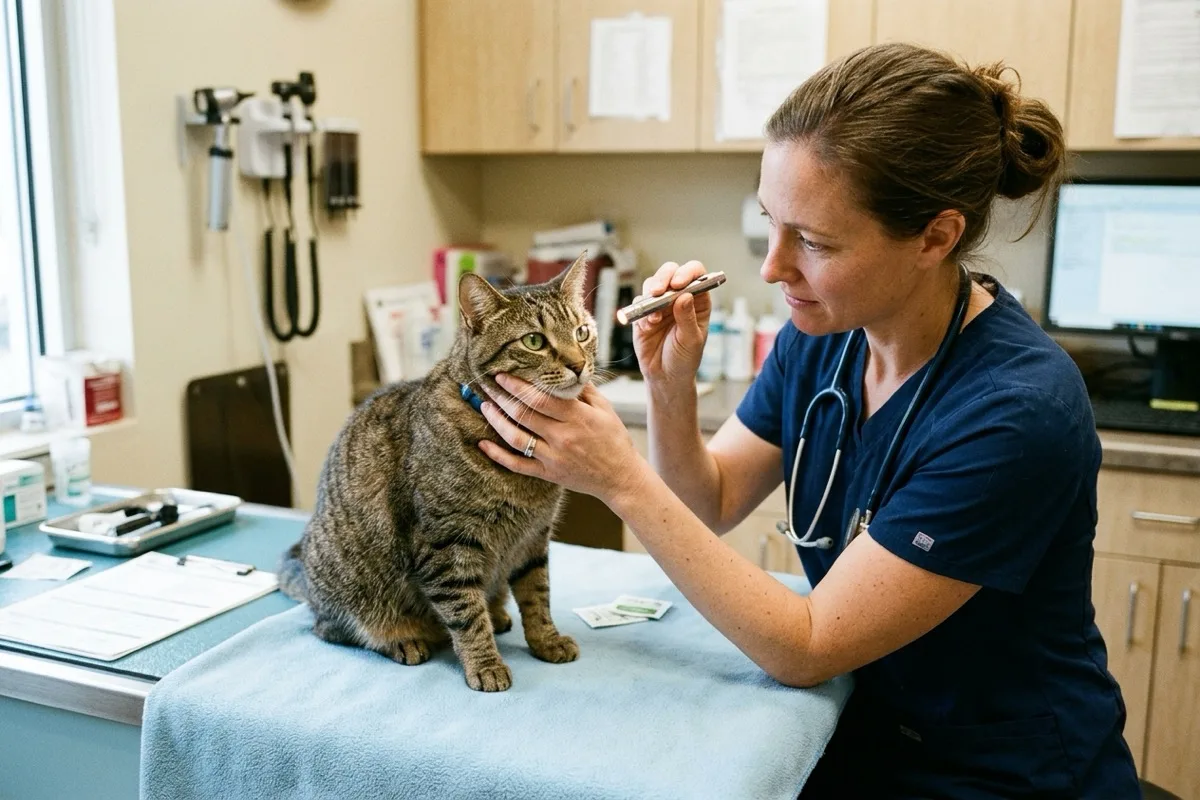
- Dilute Pilocarpine Eye Drops (0.05%): Instillation into the conjunctival sac produces marked pupillary constriction (miosis) within 15–45 minutes in dysautonomic cats, while producing zero effect in normal control cats.
- Survey Radiography: Reveals extensive esophageal dilation with intraluminal gas, gastric distension, and colonic fecal impaction.
Nursing Care and Supportive Therapy
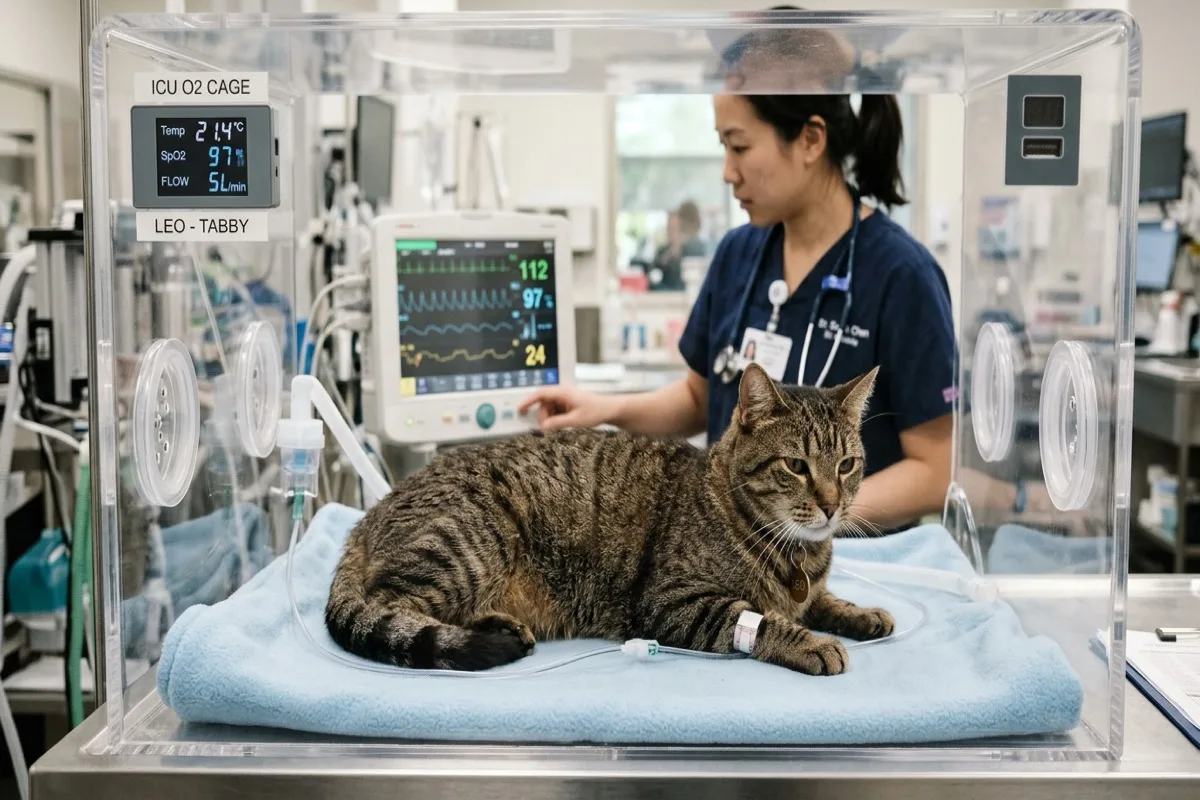
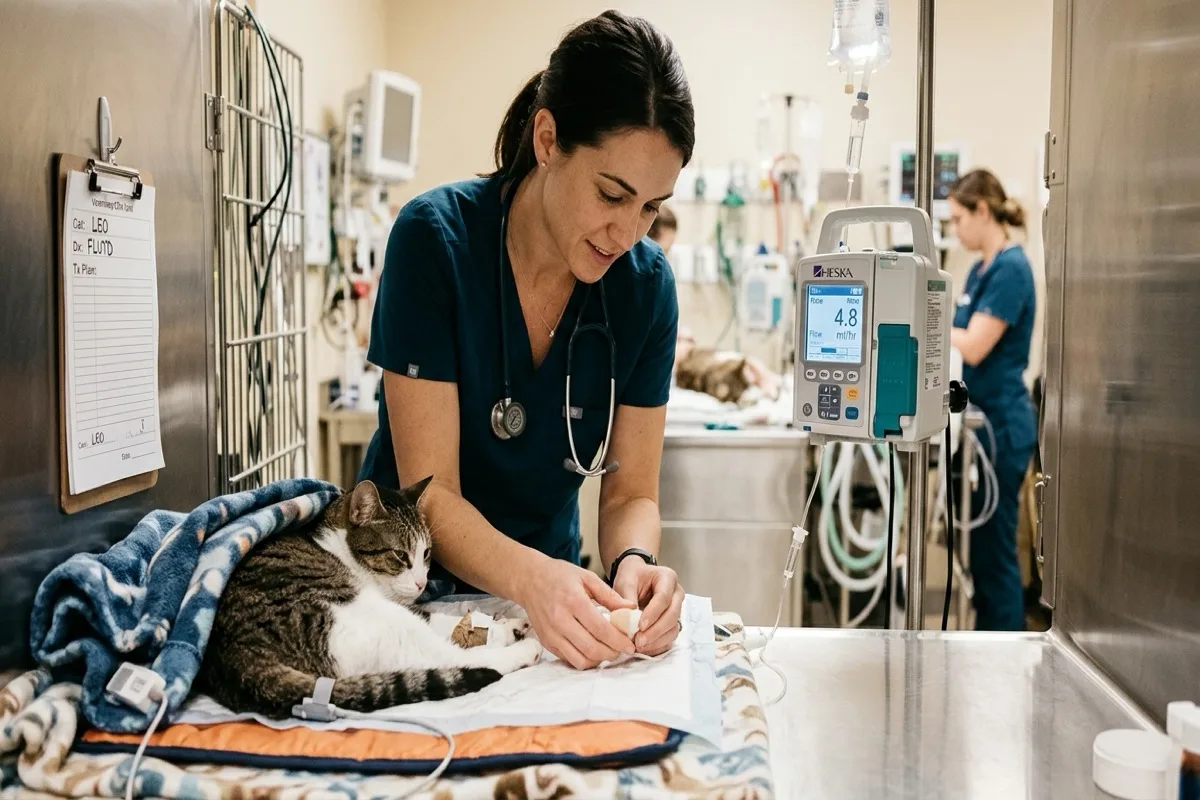
Survival hinges entirely on diligent, intensive supportive therapy:
- Corneal Protection: Ophthalmic lubricants and artificial tear ointments applied every 4 hours.
- Megaesophagus Management: Upright feeding with elevated bowls or placement of a percutaneous gastrostomy (PEG) feeding tube.
- Prokinetics and Laxatives: Cisapride, lactulose, and oral bethanechol (to stimulate detrusor muscle tone and bladder emptying).
- Assisted Bladder Expression: Manual bladder emptying 3 to 4 times daily.
Prognosis
Guarded, yet recovery occurs in approximately 20% to 40% of cases with months of dedicated care, provided aspiration pneumonia is avoided.
Scientific sources and references
- Cave, T. A. et al. (2020). Feline dysautonomia (Key-Gaskell syndrome): a review of clinical presentation, diagnosis, and long-term nursing care. Journal of Feline Medicine and Surgery, 22(4), 312-325.
- Sharp, N. J. et al. (2021). Autonomic nervous system disorders in small animals. Veterinary Clinics of North America: Small Animal Practice, 51(2), 341-356.
- Novellas, R. et al. (2022). Pharmacological testing and imaging findings in feline dysautonomia. Journal of Veterinary Internal Medicine, 36(5), 1789-1798.
Caring for a cat? Keep their health in your pocket
Register your cat on Nekolife to track vaccination history, weight, and get advice from loving cat parents.
- Vaccine & weight records
- Supportive cat community
- Earn Meow Points & badges
Related pages
Know someone who needs this?