The ultimate kitten care guide: everything you need to know from 0 to 12 months
A cat's first year of life shapes their renal health, immune system, skeletal development, and temperament for the rest of their lives. Caring for a kitten means understanding that they are not small adult cats: their metabolism is twice as fast, their gastric capacity is tiny, and their natural defenses rely on a delicate transition from maternal antibodies to an active vaccination schedule.
In this guide
Growth milestones: the 4 stages of the first year
A kitten's development over their first twelve months mirrors the physiological changes of the first fifteen years of human life. Tracking their exact stage helps you anticipate their nutritional, physical, and behavioral needs:
| Life stage | Age range | Average weight | Key developmental milestones |
|---|---|---|---|
| Stage 1: Neonatal & nursing | 0 to 4 weeks | ~100 g at birth; gains ~10-15 g/day to ~400-500 g | Eyes initially closed, inability to thermoregulate, exclusive milk diet, manual stimulation required for elimination. |
| Stage 2: Weaning & transition | 4 to 8 weeks | 500 g to 900 g | Milk teeth erupt, introduction of kitten gruel, instinctual litter box usage, early social play with littermates. |
| Stage 3: Kittenhood & socialization | 2 to 6 months | 1 kg to 2.5 kg | Core vaccinations, regular deworming, critical socialization window, deciduous teeth replaced by permanent adult teeth. |
| Stage 4: Feline adolescence | 6 to 12 months | 2.5 kg to 4.5 kg (breed-dependent) | Sexual maturity reached, elective neutering/spaying, territorial marking habits, adult circadian rhythm stabilization. |
If you have rescued or adopted a stray kitten and do not know their birth date, you can estimate their age by checking their eyes, weight, and tooth eruption with our guide on how to tell a kitten's age.
---
Stage 1: The newborn and orphaned kitten (0 to 4 weeks)
Kittens under four weeks of age are extraordinarily vulnerable. If the queen is absent or unable to nurse, their survival depends entirely on round-the-clock dedicated care.
Thermoregulation: warmth is life
During their first three weeks, kittens cannot regulate their own body temperature (they cannot shiver effectively to generate heat). A hypothermic kitten cannot digest milk; their gastrointestinal tract shuts down, their heart rate drops, and lethargy sets in quickly:
- Ambient temperature required: Between 29 °C and 32 °C (85 °F–90 °F) during week one, gradually decreasing to 26 °C (79 °F) by weeks two and three.
- Setting up the nest box: Use a high-sided cardboard box away from drafts, lined with warm fleece blankets. Place a heating pad or a warm water bottle wrapped in a thick towel under one half of the box only. This allows the kitten to crawl to the unheated half if they get too warm.
Bottle-feeding: specialized formula and vital positioning
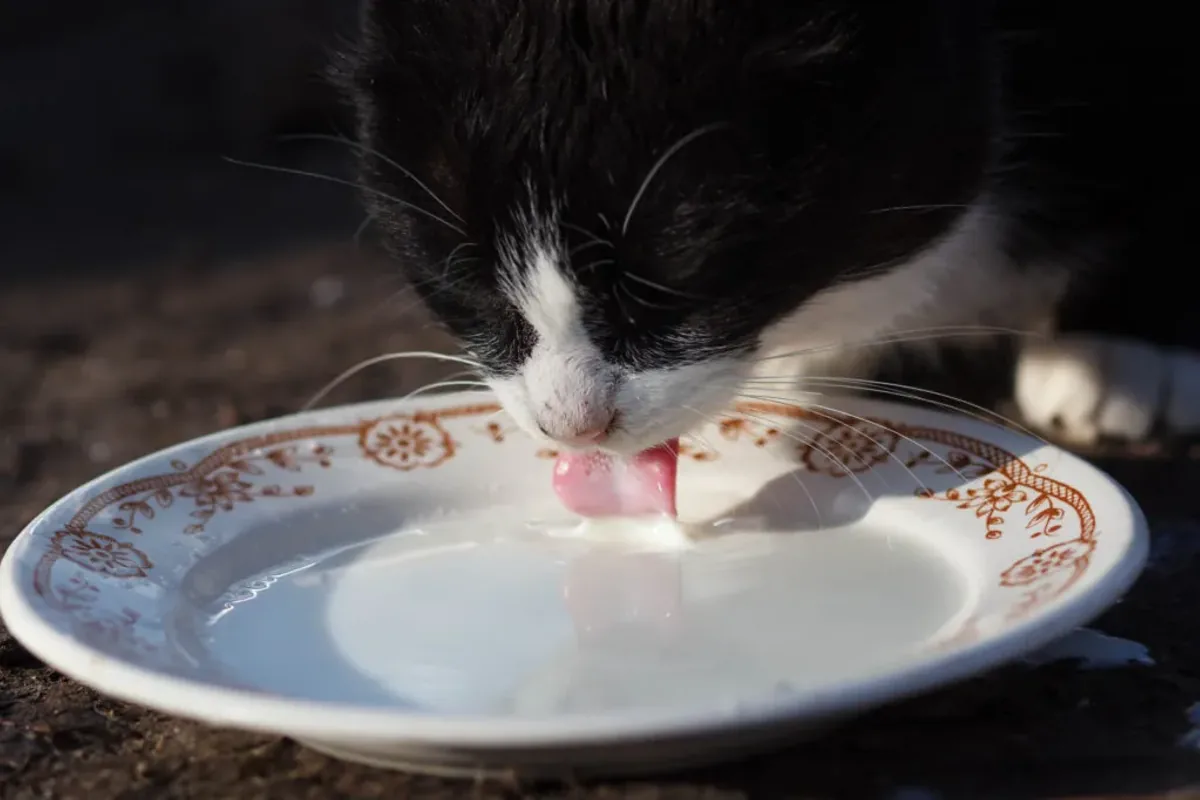
Never feed a kitten cow's milk, goat's milk, or plant-based milks. Ruminant milk contains excessive lactose and critically low levels of protein and fat for felines, triggering severe osmotic diarrhea and rapid dehydration. As covered in our guide, cow's milk is unsafe for kittens and must be replaced strictly with commercial veterinary kitten milk replacer (KMR).
- Feeding frequency: Every 2 to 3 hours around the clock during the first two weeks, spacing out to every 4 hours by the third week.
- Feeding posture: The kitten must always remain belly-down on their stomach, with their head slightly elevated, mimicking natural nursing. Never feed a kitten on their back like a human infant, as liquid can enter the trachea and lungs, causing fatal aspiration pneumonia within hours.
- Formula temperature: Warm to body temperature (~37–38 °C / 100 °F). Test a few drops on the back of your wrist before feeding.
Stimulating elimination
Until three to four weeks of age, kittens cannot urinate or defecate autonomously. The queen stimulates them by licking their anogenital area. In orphaned kittens, you must stimulate them after every single feeding:
- Dampen a warm cotton ball or soft gauze in lukewarm water.
- Gently stroke the genital and anal area in light circular motions.
- The kitten will urinate within seconds and defecate once or twice daily.
- Gently pat the area dry to prevent skin irritation.
---
Stage 2: Preparing for home arrival and the first night (8 to 12 weeks)
Bringing a kitten home marks the start of your life together. Leaving their mother and siblings is a major stress event for a young cat, making careful preparation essential.
Essential supplies checklist
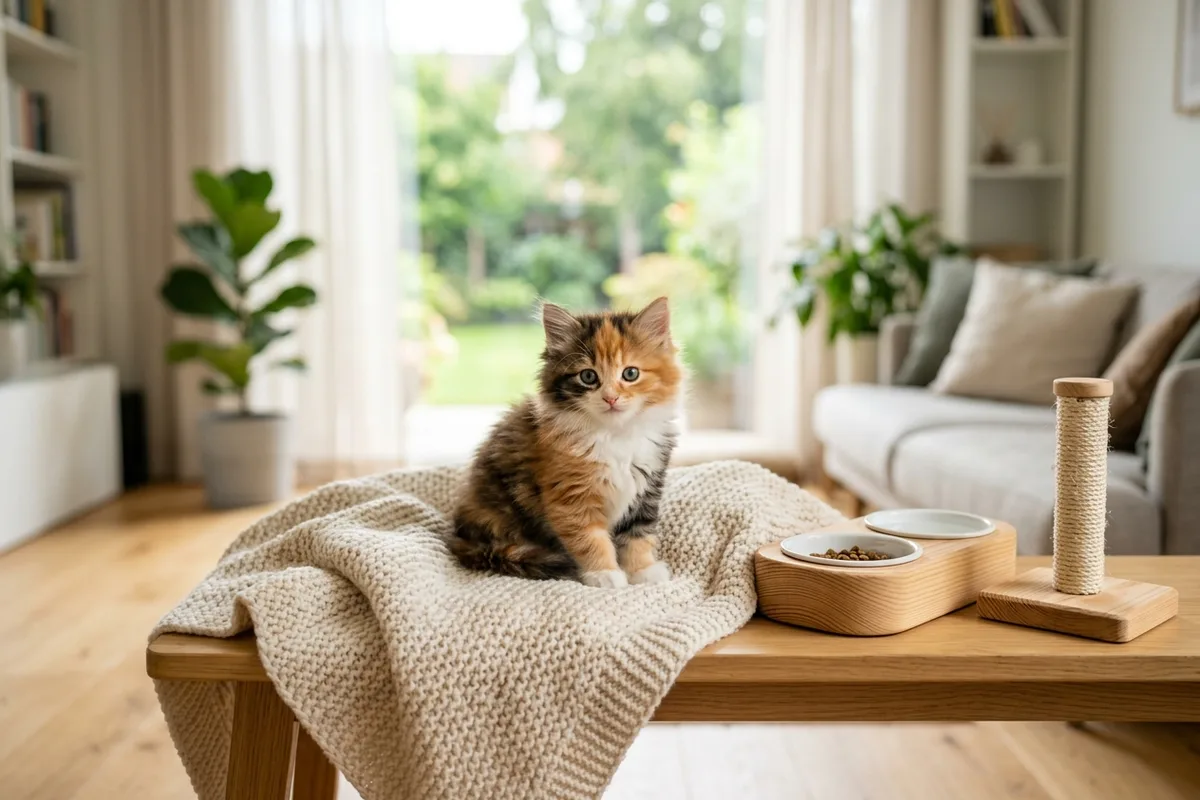
Before your kitten arrives, prepare their dedicated space with appropriate equipment. To avoid unnecessary purchases, check our complete list of what a kitten needs when arriving home. Key items include:
- Sturdy cat carrier: With both top and front openings for low-stress veterinary visits.
- Low-entry litter box: Easy for short legs to step into, with unscented non-clumping or paper-based litter.
- Ceramic or stainless steel bowls: Avoid plastic bowls, which harbor bacteria in microscopic scratches and frequently cause feline chin acne.
- Scratching posts: Scratching instincts develop by 4 weeks; offering sisal scratching surfaces immediately protects your furniture.
- Cozy hideaway bed: Enclosed cave-style beds offer security against unfamiliar household sounds.
The safe room protocol
Releasing a kitten to roam an entire home immediately is overwhelming and often leads to the kitten hiding behind heavy appliances or under furniture for days. Veterinary behaviorists recommend settling your kitten in a dedicated safe room for the first 48 to 72 hours:
- Choose a quiet room (such as a guest bedroom or home office) with no access to external doors or dangerous gaps.
- Place their bed, food, and water on one side, and the litter box on the opposite side (cats strongly dislike eliminating near their food).
- Sit quietly on the floor, speak softly, and let the kitten approach you at their own pace. Never force physical contact if they retreat.
Night one: handling crying and vocalizations
It is completely natural for a kitten to cry or meow during their first nights as they miss their littermates. Understanding why a kitten cries at night and how to soothe them prevents common mistakes:
- Place a worn t-shirt with your scent or a safe pet-safe warm heat pack in their bedding.
- Feline facial pheromone diffusers (Feliway Classic) plugged into the room help reduce separation stress.
- Avoid rushing in and picking them up the moment they cry, as kittens quickly learn that vocalizing acts as an immediate attention switch. Instead, ensure they have eaten a substantial evening meal, that the room is warm, and sit calmly by their bed until they drift off.
---
Stage 3: Hygiene, litter box training, and home living
Cats are naturally clean animals. Grooming and litter box use are instinctual behaviors, but they require the right environment to flourish without setbacks.
Litter box setup and training
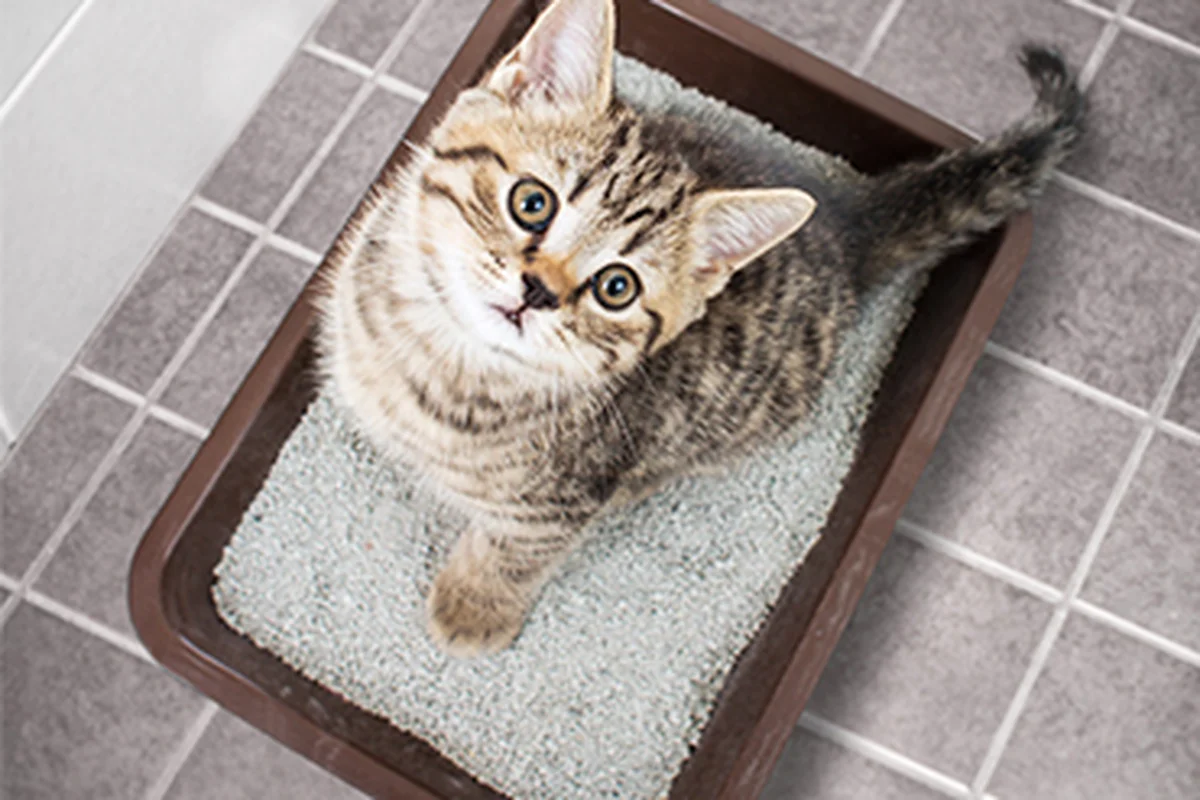
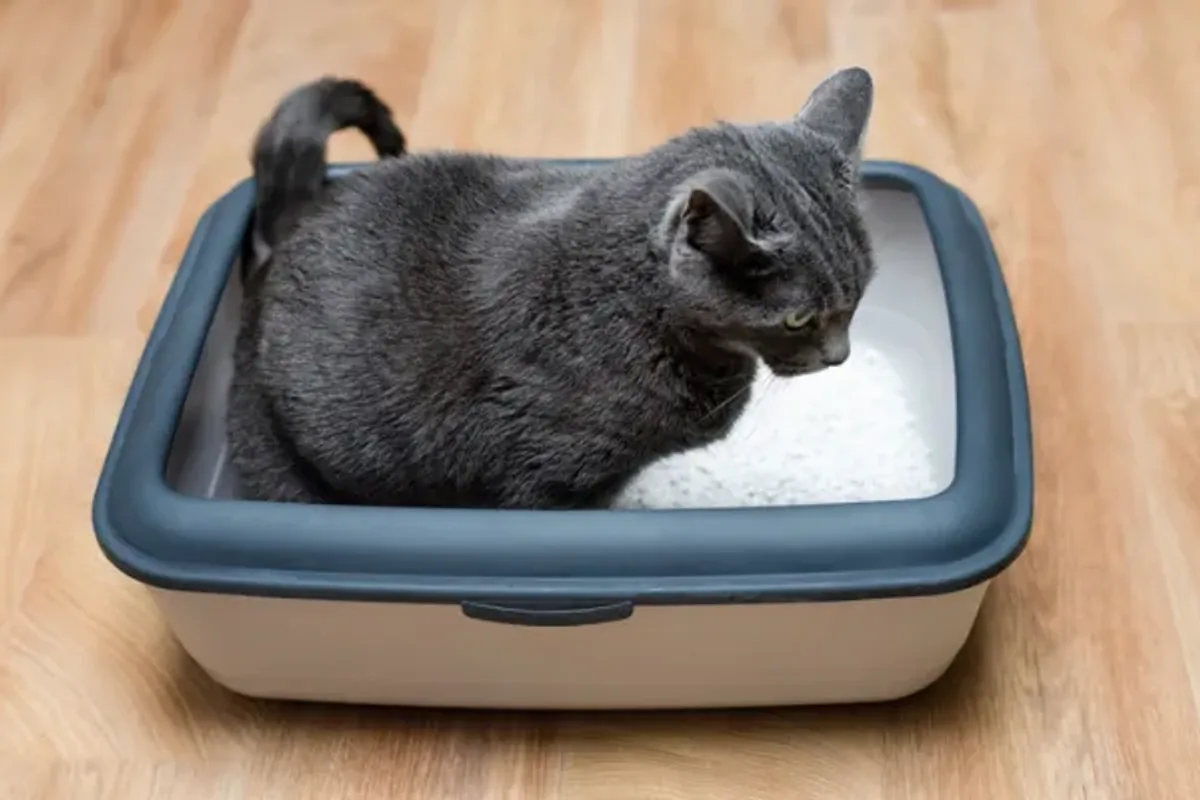
By 4 to 5 weeks of age, kittens naturally seek substrate to dig and bury waste. For smooth training, follow the recommendations in our guide on how to litter train your kitten:
- Initial litter choice: For kittens under 8 to 10 weeks, always use non-clumping litter (such as recycled paper pellets or clay). Inquisitive kittens frequently taste litter; clumping bentonite expands inside the digestive tract and can cause life-threatening intestinal blockages.
- The N+1 rule: Keep one litter box per cat plus one extra in different household locations. In multi-level homes, provide at least one box on each floor.
- Guided training: Place your kitten into the box immediately after waking and directly following meals. If you see them sniffing the ground in circles or squatting, gently transport them to the box. Once finished, avoid grabbing their paws to bury waste; allow them to explore the process independently.
Bathing and coat care: do kittens need baths?
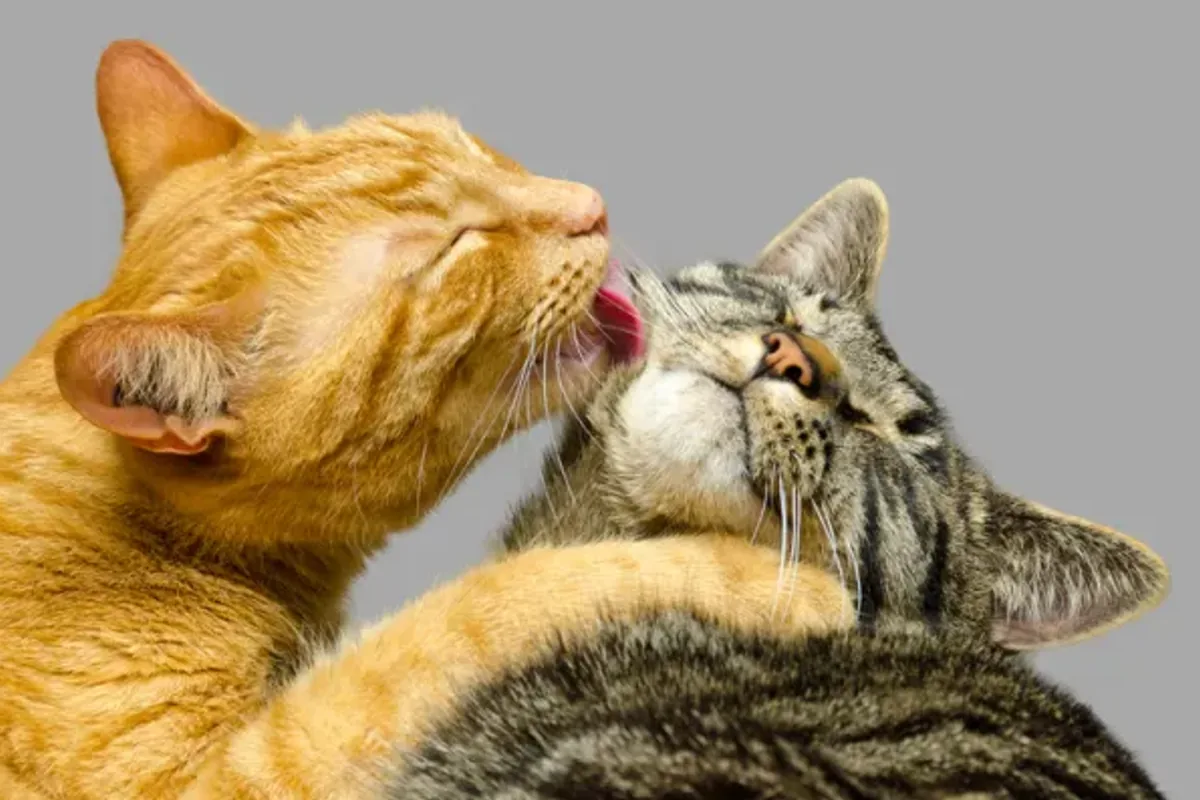
Unless a kitten is soiled with motor oil, toxic residues, or severe diarrhea, healthy cats do not need water baths, spending 30% to 40% of their waking hours grooming with their papillae-covered tongues. If an emergency requires a bath, review our step-by-step instructions on how and when to bathe a kitten safely:
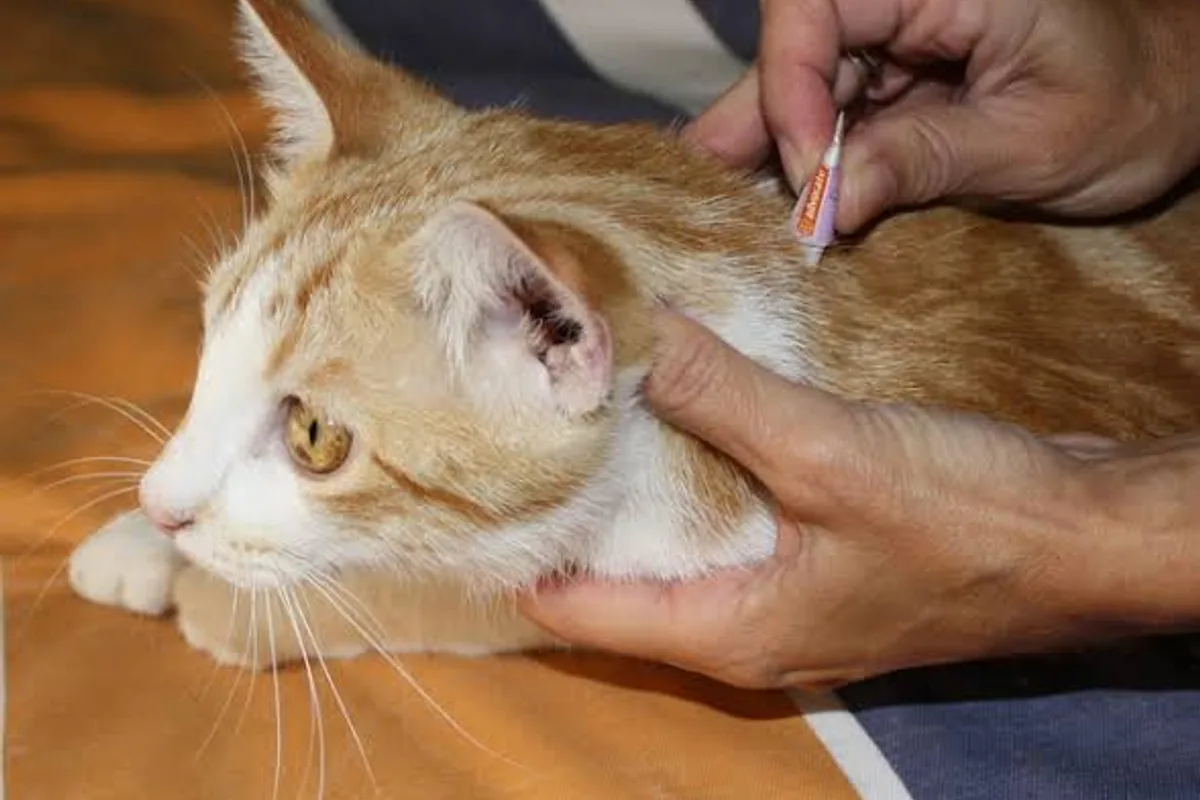
- Use lukewarm water (38 °C / 100 °F) and kitten-specific pH-neutral shampoo. Never use human soaps or dog flea treatments (canine flea treatments often contain permethrins, which are lethal to felines).
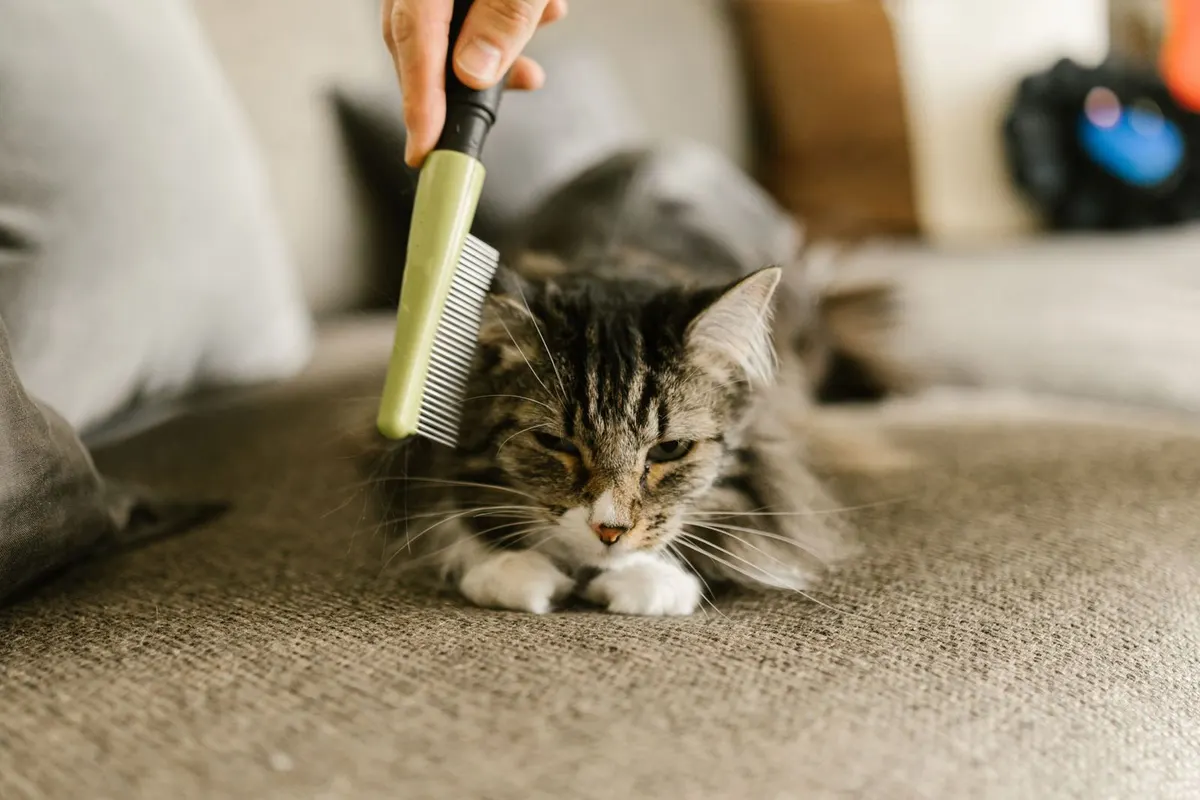
- What is essential from two months of age is daily gentle brushing. Early habituation prevents hairballs (trichobezoars), removes loose coat, and turns grooming into a relaxing bonding ritual.
Gradual introductions to resident pets
Rushing introductions between a new kitten and existing cats or dogs can cause chronic territorial friction. Follow the phase-by-phase protocol detailed in how to introduce a kitten to another cat:
- Isolation with scent swapping: Keep the kitten in their safe room for 4 to 7 days. Swap bedding, blankets, and toys between animals so they learn each other's scent without visual stress.
- Visual contact through barriers: Open the door while keeping a baby gate or screen door in place. Feed both pets on opposite sides of the barrier with high-value wet food to create positive associations.
- Supervised short sessions: Allow short 5- to 10-minute supervised interactions. Mild hissing or cautious body language is normal; redirect attention with wand toys and calmly separate them before tension escalates.
Sleep and rest cycles
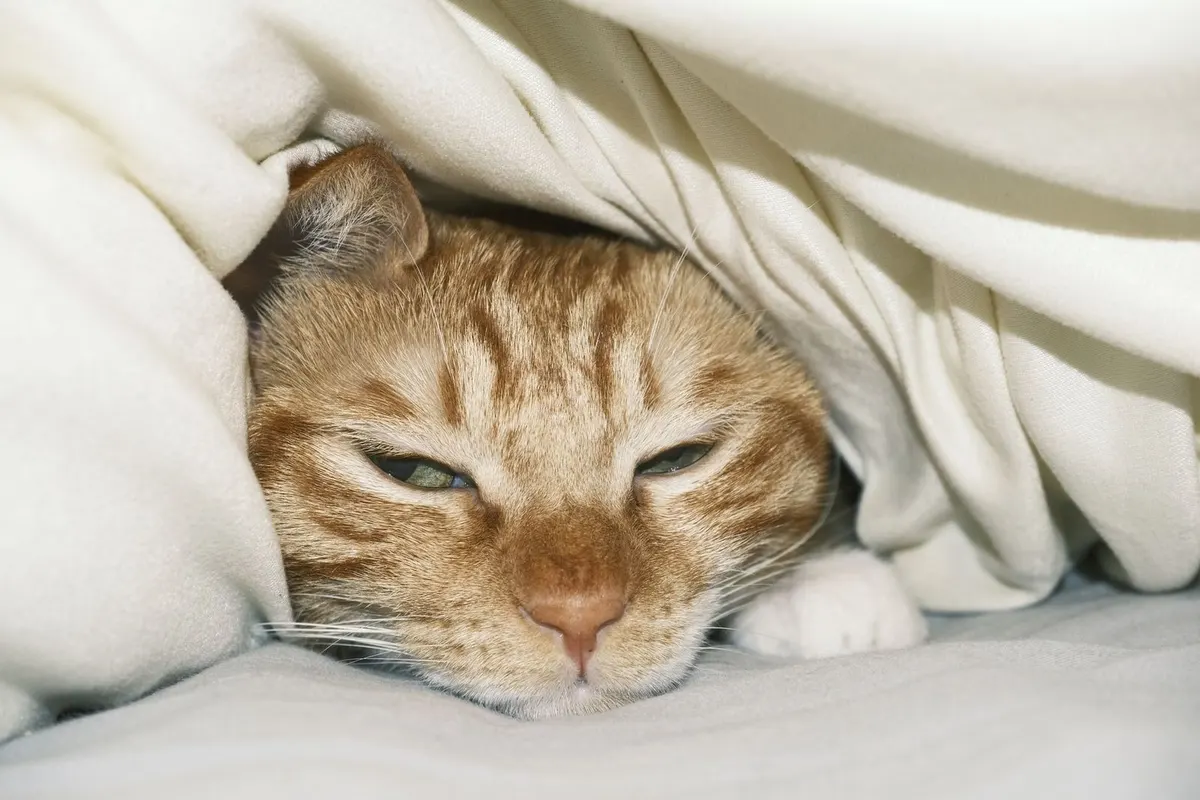
Caregivers are often surprised by how deeply kittens sleep. During early weeks, kittens sleep between 18 and 22 hours per day. Deep REM sleep triggers growth hormone release from the pituitary gland. Never wake a sleeping kitten abruptly: uninterrupted rest is crucial for brain development and spatial memory consolidation.
---
Stage 4: Kitten nutrition and growth (2 to 12 months)
Cats are obligate carnivores. Their metabolic pathways require nutrients derived exclusively from animal tissues to obtain amino acids and fatty acids they cannot synthesize internally.
Critical nutritional requirements
- Taurine: An essential amino acid mandatory for cardiac muscle contractility, retinal health, brain function, and reproductive health. Deficiency causes dilated cardiomyopathy and irreversible blindness.
- Arginine: Essential for detoxifying ammonia in the liver's urea cycle. A single meal lacking arginine can lead to severe ammonia toxicity within hours.
- Arachidonic acid and DHA: Long-chain polyunsaturated omega-3 and omega-6 fatty acids vital for neural development, retinal function, and cognitive learning.
- High-digestibility protein and fat: Growing kittens require 35% to 45% protein on a dry-matter basis and at least 20% healthy animal fats.
Wet food vs. dry kibble: the mixed feeding approach
Domestic cats evolved from the African wildcat (Felis lybica), deriving 70% to 80% of their hydration directly from fresh prey. Consequently, cats have a very low natural thirst drive and rarely drink sufficient water from a bowl to offset a dry-kibble-only diet (kibble contains less than 10% moisture).
Relying solely on dry food concentrates feline urine, significantly increasing the risk of urinary crystals (struvite and calcium oxalate) and early-onset chronic kidney disease. Nutritional guidelines from the WSAVA recommend mixed feeding from weaning onward: providing at least 50% of daily calories as high-quality complete wet kitten food alongside premium kitten kibble.
For precise daily feeding amounts and schedules, consult our detailed guide on what kittens eat by age and weight.
---
Stage 5: Preventive veterinary care calendar (0 to 12 months)
Preventive veterinary care is the most reliable investment in your kitten's lifelong health and vitality.
1. Internal and external parasite control
Before administering vaccines, a kitten must be free of parasites, as an active parasitic burden weakens the immune response and reduces vaccine efficacy:
- Internal deworming: Begins between 6 and 8 weeks of age with oral pastes targeting roundworms (Toxocara cati) and tapeworms. Treatments are repeated every 2 to 3 weeks until 12 weeks old, then monthly until 6 months of age. Review the complete protocol in our guide on deworming your kitten.
- Flea prevention: Fleas transmit tapeworms (Dipylidium caninum) and Bartonella bacteria. Moreover, a heavy flea infestation on a 1 kg kitten can consume enough blood to cause life-threatening anemia. Learn safe treatments in our guide to fleas in cats: how to remove them and keep them away.
2. Core vaccination schedule
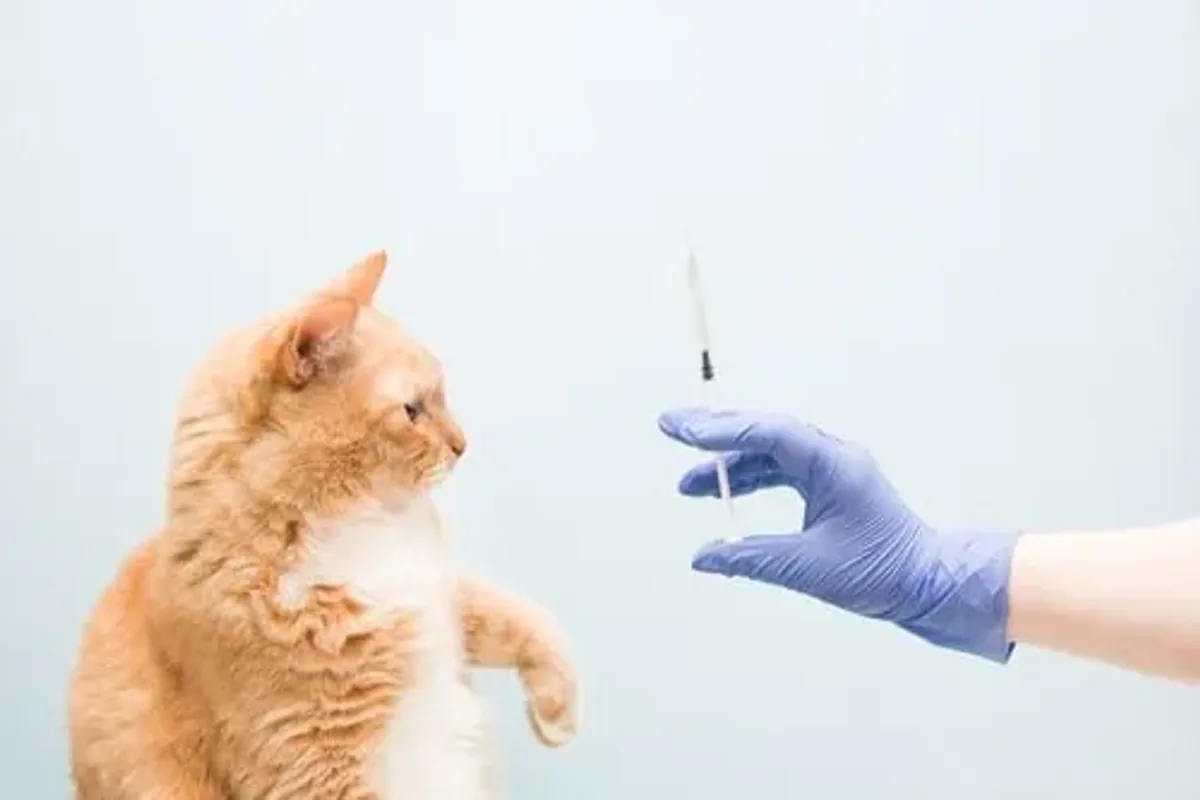
The World Small Animal Veterinary Association (WSAVA) global guidelines outline the following standard timeline:
- Week 8: First core FVRCP vaccine (protects against Feline Panleukopenia virus, Feline Herpesvirus-1, and Feline Calicivirus).
- Week 12: Second FVRCP booster + first Feline Leukemia Virus (FeLV) vaccine (following a preliminary viral blood test).
- Week 16: Final FVRCP booster + second FeLV booster.
- Months 4 to 6: Rabies vaccine (administered according to regional veterinary regulations).
To learn about non-core lifestyle vaccines and booster intervals, check our full kitten vaccination schedule.
3. Elective spaying and neutering
Modern veterinary medicine strongly recommends spaying or neutering around 4 to 5 months of age, before kittens reach sexual maturity and experience their first heat cycle:
- Female cats: Spaying before the first heat cycle reduces the risk of mammary tumors by over 95% and completely eliminates the danger of pyometra (life-threatening uterine infection).
- Male cats: Neutering prevents pungent territorial urine spraying, aggressive roaming behavior, and cat-fight injuries that transmit incurable viruses like Feline Immunodeficiency Virus (FIV).
The procedure is routine and outpatient: most kittens return home the same day and resume active play within 24 to 48 hours. Read all details regarding surgery and post-op care in our guide on neutering your cat: age, care, and recovery.
---
Stage 6: Pediatric warning signs and red flags
Young kittens possess high metabolic rates and minimal glycogen storage. Conditions that might be mild in adult cats can turn life-threatening in a kitten within 6 to 12 hours.
The pediatric traffic light guide
| Urgency level | Observable signs | Recommended action |
|---|---|---|
| Green: Routine monitoring | Isolated sneeze, energetic play, normal appetite, slightly soft stool after a diet change with bright behavior. | Monitor at home for 24 hours. Maintain hydration; do not give home remedies. |
| Yellow: Same-day clinic visit | Persistent ocular discharge, frequent ear scratching (suspected mites), mild cough, refusal to eat for over 8 hours. | Schedule an appointment with your veterinary clinic that day. |
| Red: Immediate 24/7 emergency | Repeated vomiting, liquid or bloody diarrhea, profound lethargy (unresponsive or unable to stand), open-mouth breathing, hypothermia (cool paw pads/ears, body temp under 37 °C / 98.6 °F). | Transport immediately to the nearest 24/7 veterinary emergency hospital. |
If your kitten has loose stools, check common causes and hydration tips in kitten diarrhea: when to see the vet. If they are retching or throwing up, see my cat is vomiting: causes and veterinary guidelines.
---
Frequently asked questions about kitten care
When does a kitten become an adult cat?
Physiologically, most cats reach skeletal maturity around 12 months of age, when you should transition them from kitten food to adult maintenance food. However, large breeds such as the Maine Coon or Norwegian Forest Cat continue growing until 3 to 4 years of age.
How often should you trim a kitten's claws?
Every 2 to 3 weeks, trimming only the sharp transparent hook at the tip with dedicated pet claw trimmers. Never cut near the pink vascularized quick, which contains sensitive nerves and blood vessels that bleed heavily and cause pain.
Should kittens be allowed outside?
No. Kittens lack survival awareness regarding predators, traffic, and falls. Free-roaming outdoor cats have an average life expectancy of just 3 to 5 years (compared to 15 to 20 years for indoor cats) due to vehicles, fights, poisoning, and infectious diseases like FeLV and FIV. If you wish to offer outdoor enrichment, train them to walk with a secure harness or provide an enclosed outdoor cat patio (catio).
---
Keeping track of your kitten's milestones is easier when you share questions with other owners and have guides handy.
Create account — It's free and brings you right back here.
---
Caring for a cat? Keep their health in your pocket
Register your cat on Nekolife to track vaccination history, weight, and get advice from loving cat parents.
- Vaccine & weight records
- Supportive cat community
- Earn Meow Points & badges
Related pages



Sources
- "Caring for your new kitten" (clinical booklet and pediatric care protocols). International Cat Care (iCatCare), 2024 update. icatcare.org
- "2021 AAFP Feline Life Stage Guidelines". Quimby, J.; Gowland, S.; Carney, H. C.; DePorter, T.; Plummer, P.; Westropp, J. Journal of Feline Medicine and Surgery, 2021. journals.sagepub.com
- "WSAVA Guidelines for the Vaccination of Dogs and Cats". Day, M. J.; Horzinek, M. C.; Schultz, R. D.; Squires, R. A. World Small Animal Veterinary Association Vaccination Guidelines Group (VGG), Journal of Small Animal Practice, 2020. wsava.org
- "WSAVA Global Nutrition Guidelines". World Small Animal Veterinary Association, 2021. wsava.org
- "Feline Behavior Guidelines". Rodan, I.; Sundahl, E.; Carney, H.; et al. American Association of Feline Practitioners (AAFP), 2022. catvets.com
- "Kitten Development and Neonatal Care". Little, S. E. The Cat: Clinical Medicine and Management, Elsevier Saunders, 2022.
- "ESCCAP Guideline 01: Worm Control in Dogs and Cats". European Scientific Counsel Companion Animal Parasites, 2026 update. esccap.org
- "Cornell Feline Health Center: Feeding Your Cat and Kitten Care". Cornell University College of Veterinary Medicine. vet.cornell.edu
Know someone who needs this?
Stage 7: Socialization, play, and behavioral enrichment
The primary socialization window in felines occurs between 2 and 9 weeks of age. During this brief period, a kitten's brain forms lasting impressions about what is safe versus what is threatening.
Positive desensitization
Never play with bare hands or feet
One of the most widespread behavioral mistakes is using bare hands or wiggling toes under blankets as toys. While a 700 g kitten's nibble feels playful, a 5 kg adult cat with fully developed canine teeth will continue this behavior as redirected play aggression.
---