What a kitten needs when they come home: complete list
Before your kitten arrives you need a hard carrier, complete kitten food, separate bowls for water and food, a low-sided litter box with unscented litter, a warm bed, a scratching post, safe toys, a brush, and, if they will wear a collar, a breakaway collar with ID. It also helps to prepare a quiet room for their first days and choose a vet.
Quick answers
- The essentials?Carrier, kitten food, water, litter box, bed, scratching post, and toys.
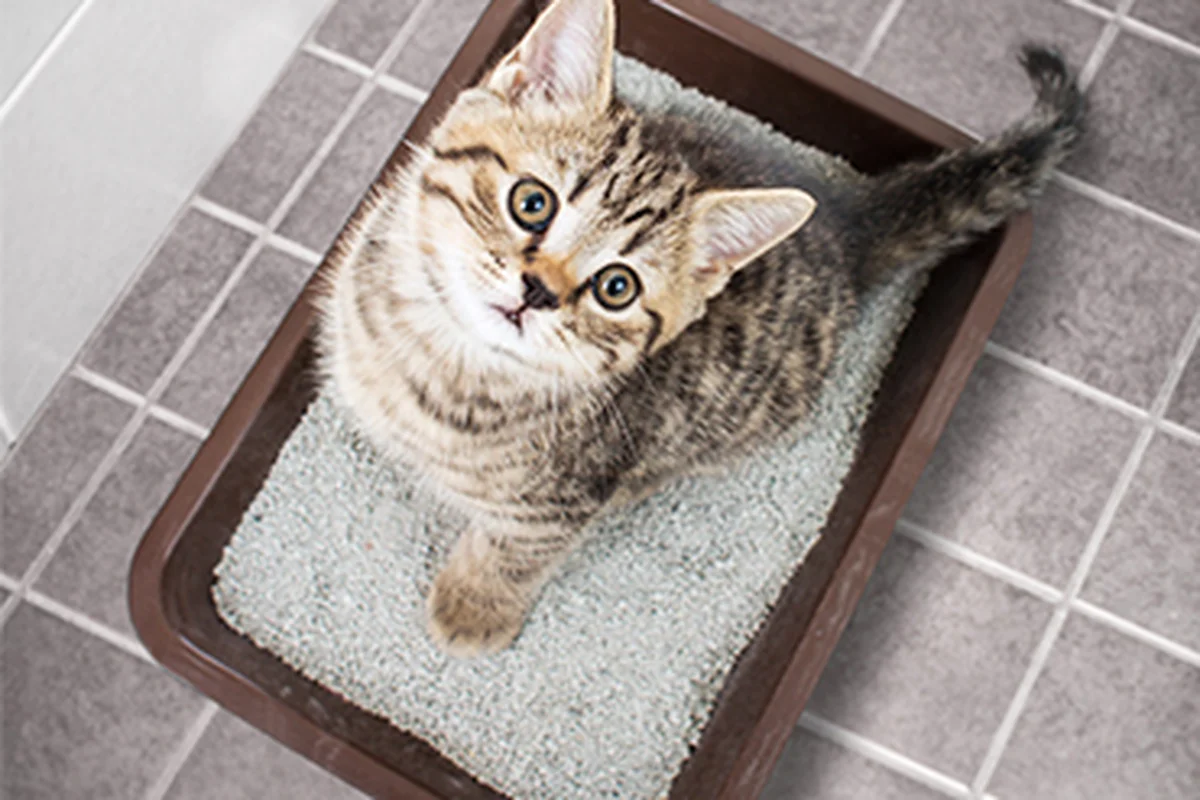
- Which litter box?One with low sides so they can get in easily, with about 3 cm (1 inch) of unscented litter.
- Which food?The same as they were eating before, if it is complete kitten food, to avoid upset.
- Where do they sleep?In a quiet room for the first week or two.
- What not to buy?Laser pointers, self-cleaning litter boxes, and toys with small parts.
In this guide
Shopping list for your kitten
| Product | Why and how to choose it |
|---|---|
| Hard carrier | Sturdy plastic, top-opening, adult size (you can shrink the space with a towel while they are small). |
| Kitten food | Labeled "complete" and right for their life stage. See what do kittens eat. |
| Water and food bowls | Separate from each other (avoid double bowls) and, if you can, a second water source elsewhere. |
| Litter box and litter | Low sides at first, unscented litter, ideally the same they already used. |
| Litter scoop | To remove solids at least once a day. |
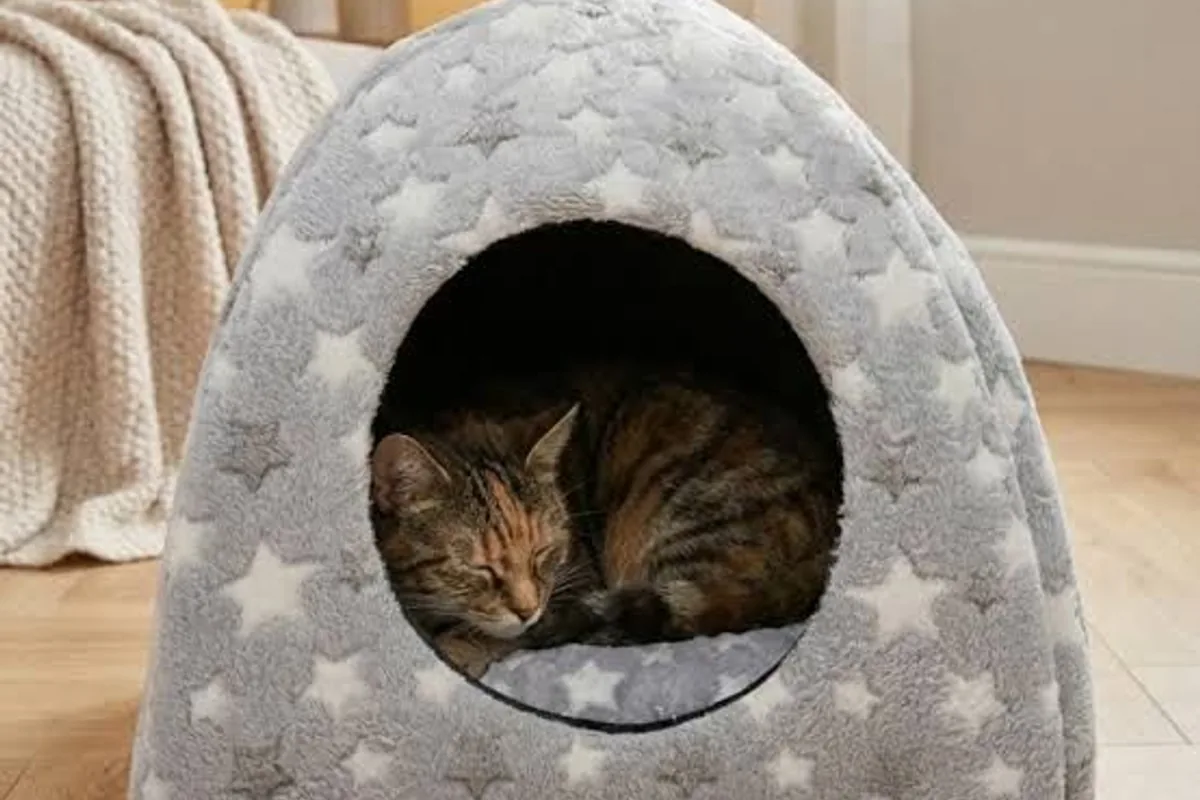
| Bed | High sides and a low entrance, with a soft blanket; a cut-down cardboard box also works. |
| Scratching post | Stable, that does not wobble, covered in rough material such as sisal; ASPCA suggests one at least 90 cm (3 ft) tall. |
| Toys | Varied and without small parts they can swallow: feather wands (only with supervision), balls, kick toys. |
| Brush or comb | A very soft one at first so they get used to it. |
| Breakaway collar and ID | If they wear a collar, it should be quick-release and fitted to their size; a microchip is the permanent ID. |
How many litter boxes
iCatCare recommends one litter box per cat plus one extra, away from food, water, and noisy places. In multi-story homes, one per floor. We cover the step by step in litter train your kitten.
Prepare the house before they arrive
Look at the house from their height and remove risks:
- Toxic plants: lilies are very toxic to cats; do not keep them in the house.
- Cables, curtain cords, and string: they can chew or swallow them.
- Washer, dryer, and fridge: check they are not inside before closing.
- Windows and balconies: close them or put up screens/netting.
- Cleaning products: some disinfectants are toxic to cats; store them and rinse surfaces.
- Medications: never give remedies the vet has not prescribed.
The first days
- A room for them: quiet, with their bed, litter box, food, and water, for the first week or two.
- Something with a familiar scent: if you can, bring a blanket or toy from their previous home.
- Not too much affection at once: let them approach you and pet them in short sessions.
- The same food: suddenly changing diet with the stress of moving can cause diarrhea. If they have it, see kitten with diarrhea.
- If you already have another cat: keep them separate at first and follow the steps in how to introduce a kitten to another cat.
- Nighttime routine: from day one, decide where they will sleep. We cover this in my kitten cries at night.
The first vet visit
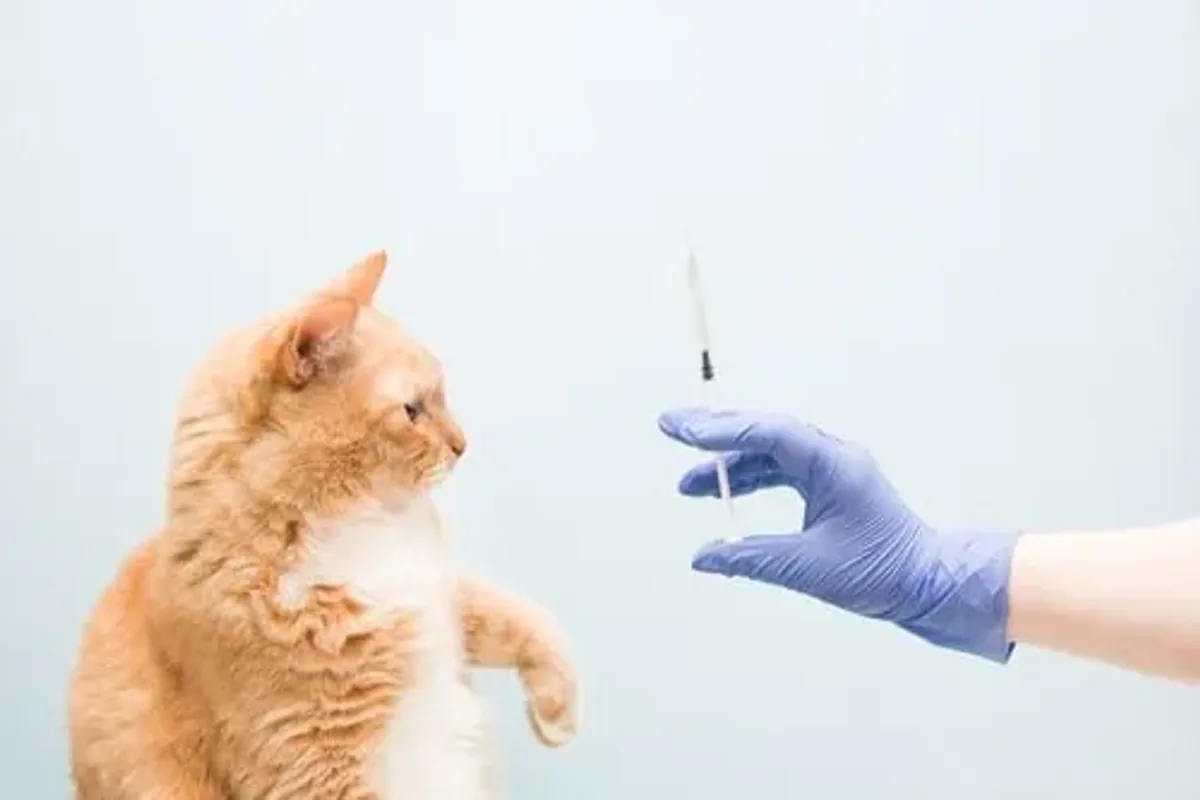
Book an appointment in the first days: the vet checks their health, builds the vaccination schedule and deworming plan, and talks to you about fleas and neutering. Ask whoever gave you the kitten which vaccines and treatments they received.
Go sooner if your kitten is not eating, is lethargic, has vomiting or diarrhea lasting more than two days, or if anything worries you.
Create a Nekolife account
Getting ready for a kitten is easier with other caregivers who have already been through it.
Create account — It's free and you'll come right back here.
Frequently asked questions
What does a kitten need on day one?
A quiet place with bed, litter box, water, and the food they were already eating.
Do I need to buy a carrier if I live near the vet?
Yes: iCatCare recommends always carrying them in a carrier, however short the trip.
Can I give them milk?
It is not needed and can upset them. We cover this in can you give a kitten cow's milk?.
Should you bathe the kitten when they arrive?
Usually no. See can you bathe a kitten?.
Caring for a cat? Keep their health in your pocket
Register your cat on Nekolife to track vaccination history, weight, and get advice from loving cat parents.
- Vaccine & weight records
- Supportive cat community
- Earn Meow Points & badges
Related pages






Sources
- "Caring for your new kitten" (leaflet). International Cat Care (iCatCare). icatcare.org
- "General Cat Care". ASPCA. aspca.org
Know someone who needs this?