Cat Peeing Outside the Litter Box: Why It Happens and How to Fix It Permanently
Finding urine puddles on the couch, mattress, carpet, or bathroom tiles is one of the most frustrating experiences for any cat guardian. In fact, inappropriate feline elimination is the number one reason owners seek behavioral consultations and a leading cause of feline shelter surrenders worldwide. However, cats never eliminate outside their box out of spite, anger, or revenge. When an instinctively clean feline stops using their litter box, they are sending an unmistakable distress signal indicating acute physical discomfort or a critical deficiency in their living environment.
In this guide
1. Inappropriate Urination vs. Territorial Spraying: How to Tell Them Apart
Correct diagnosis begins by examining the posture, surface, and volume of urine:
| Observable Feature | Inappropriate Urination (Medical / Box Issue) | Territorial Spraying (Sexual / Environmental Stress) |
|---|---|---|
| Body Posture | Deep squat, hind legs bent, tail low | Standing upright on all four paws, tail raised and twitching |
| Target Surface | Horizontal (rugs, sofas, beds, floors, bathtubs) | Vertical (walls, doorframes, curtains, baseboards) |
| Urine Volume | Full bladder release (large puddle) | Small spray or fine horizontal mist |
| Digging Behavior | May dig weakly or avoid scratching entirely | Does not dig; sniffs intensely and walks away |
| Target Locations | Quiet corners, soft rugs, secluded spots | Entryways, hallways, windows, new furniture |
| Reproductive Status | Males and females equally, neutered or intact | High in intact males and queens in estrus |
> [!NOTE]
> If an intact male or female cat is spraying vertically, surgical sterilization is the primary treatment, resolving spraying in more than 90% of cases. Read our comprehensive guide on cat neutering and spaying.
---
2. Mandatory Medical Causes to Rule Out First
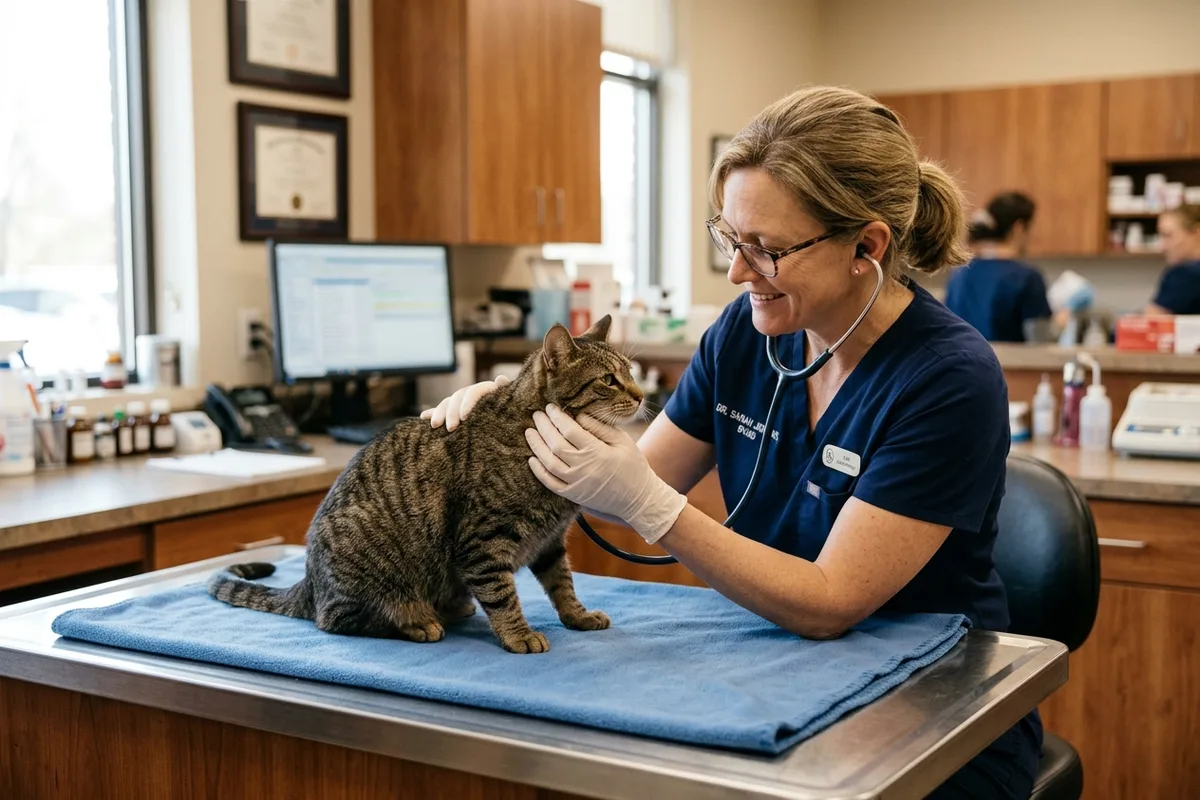
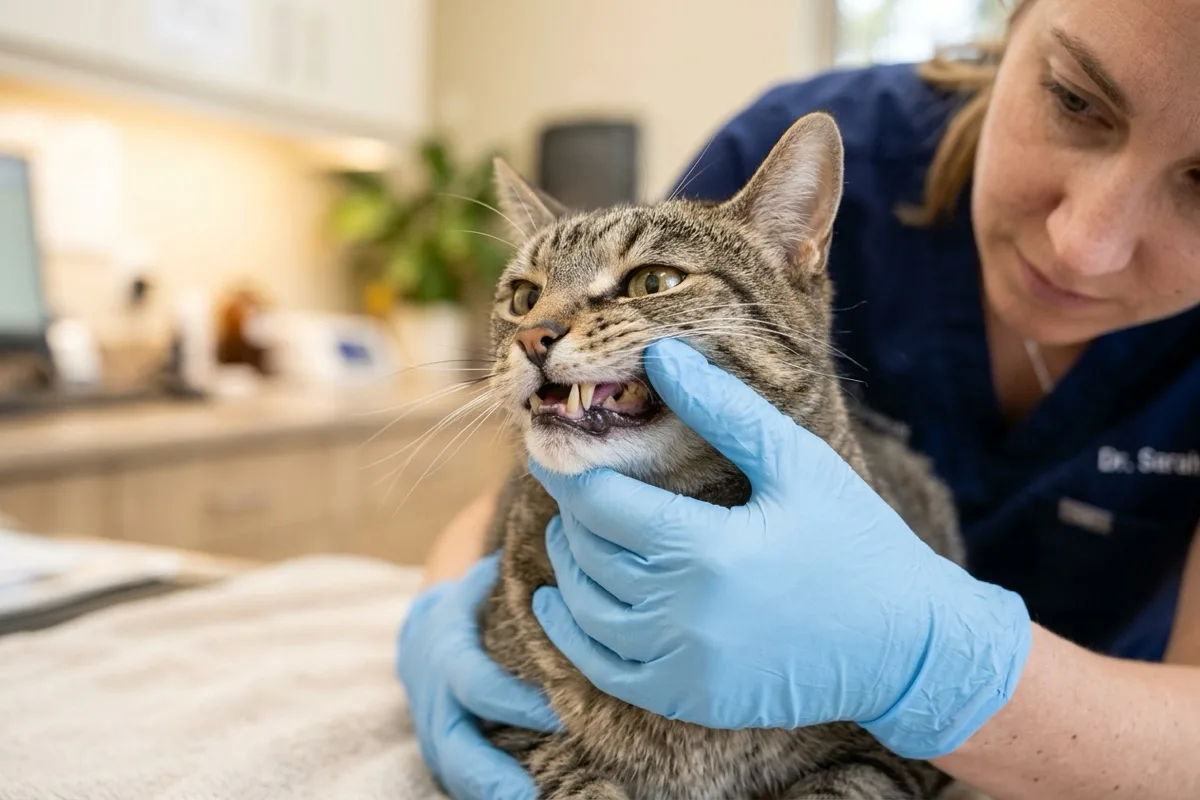
Never attempt behavioral re-training until your veterinarian has performed diagnostics to rule out underlying pain:
Feline Idiopathic Cystitis (FIC) & Pandora Syndrome
FIC is a sterile neurogenic bladder inflammation triggered by sympathetic nervous system hyperreactivity in response to environmental stress. The cat experiences intense burning, visits the box dozens of times, and passes bloody drops (hematuria). Associating the painful burning sensation with the litter box, the cat flees and seeks out cool or soft surfaces (like bathtubs or carpets). Learn more in our guide on feline urinary issues.
Struvite and Calcium Oxalate Uroliths
Microscopic crystals and stones irritate the mucosal lining of the bladder and urethra. In male cats, this can lead to complete urethral obstruction, an emergency requiring immediate veterinary intervention within 24 hours to prevent fatal toxicity.
Osteoarthritis and Joint Pain in Senior Cats
Cats over 8 or 10 years old with arthritis in the hips or spine cannot easily climb over high plastic rims or step into top-entry boxes. Uncomfortable silica crystals also hurt sensitive aged paws. Learn how to spot subtle signs in our guide on how to tell if your cat is in pain.
Chronic Kidney Disease and Diabetes Mellitus
Metabolic conditions cause excessive thirst (polydipsia) and high urine output (polyuria). The bladder fills rapidly, making it impossible for the cat to reach distant boxes in time.
---
3. Litter Box Aversion: The 5 Most Common Mistakes
When medical diagnostics confirm clear urine, the cause is almost universally a deficiency in litter box management:
```
┌─────────────────────────────────────────────────────────────┐
│ THE IDEAL LITTER BOX CHECKLIST: │
│ 1. SIZE: 1.5 times the cat's length from nose to tail base │
│ 2. DESIGN: Open-top tray, low rim, no flaps or covers │
│ 3. SUBSTRATE: Unscented, fine-grained clumping clay │
│ 4. CLEANING: Scoop solids and clumps 1-2 times daily │
│ 5. LOCATION: Quiet area, away from appliances and food │
└─────────────────────────────────────────────────────────────┘
```
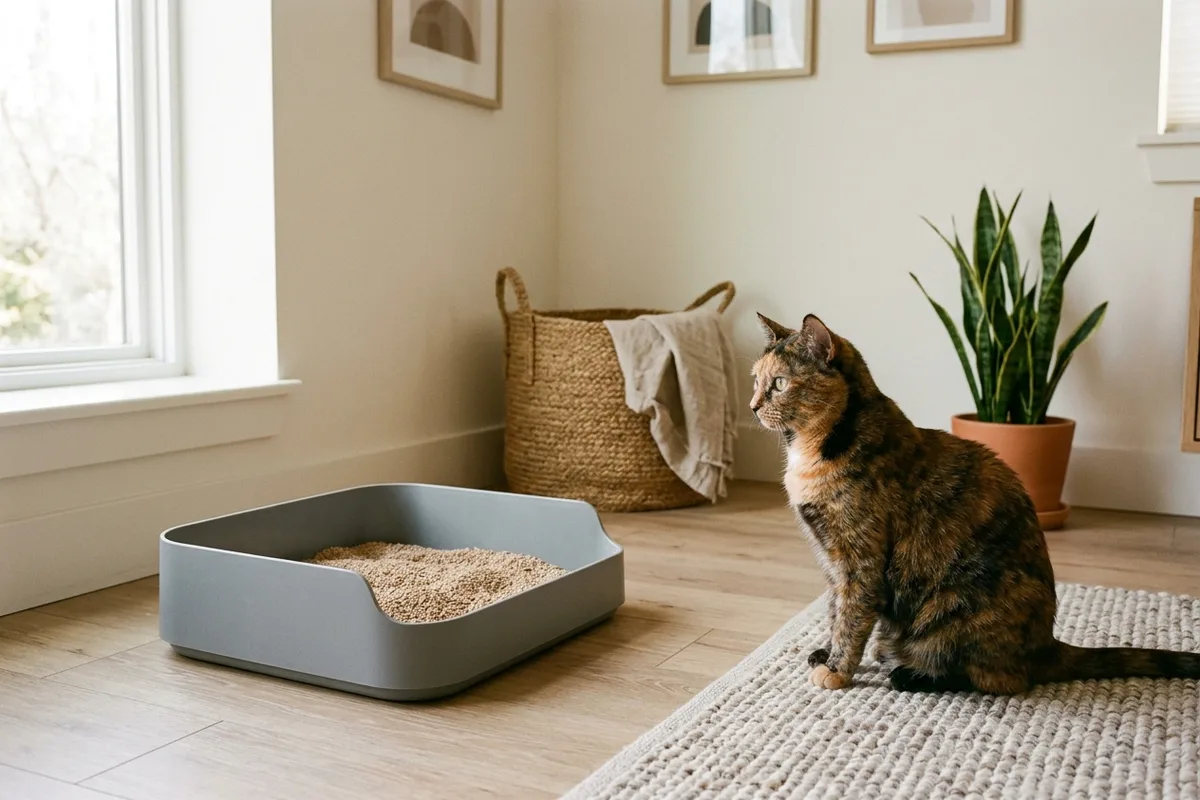
- Covered boxes with swinging flap doors: Covered boxes trap ammonia fumes, creating an unbearable sensory experience for cats, whose sense of smell is 14 times keener than humans'. Enclosed designs also limit escape routes, making cats feel vulnerable to ambushes.
- Scented litters and silica crystals: Heavily perfumed litters irritate feline respiratory pathways. Rough silica gel crystals cause discomfort to sensitive paw pads.
- Improper placement: Placing the box next to a loud washing machine or near food and water dishes creates immediate avoidance. Cats naturally refuse to eliminate where they eat.
- Infrequent scooping: Cats refuse dirty boxes just as humans avoid unmaintained public restrooms. Scoop at least once daily and wash boxes with hot water and unscented mild soap every 2 to 4 weeks.
---
4. How to Clean Cat Urine: The Enzymatic Protocol
Improper cleaning guarantees repeated elimination in the exact same spot:
```
[Urine Deposited] ──> [Urea + Insoluble Uric Acid Crystals]
│
┌───────────────────────────┴───────────────────────────┐
▼ ▼
Cleaning with Bleach/Ammonia Cleaning with Enzymatic Cleaner
Mimics rival scent → Re-marking stimulated Breaks down uric acid → Scent permanently eradicated
```
- Why household detergents and vinegar fail: Vinegar and soap remove water-soluble urea and odors perceptible to humans, but cannot break down insoluble uric acid crystals. On humid days, these crystals release microscopic odor molecules that trigger feline marking instincts.
- Enzymatic treatment steps: Saturate the soiled area generously with a specialized pet enzymatic cleaner. Allow it to soak for 15 to 20 minutes so enzymes digest uric acid into odorless water and carbon dioxide. Blot dry with paper towels without scrubbing.
---
5. Step-by-Step 4-Phase Re-Education Protocol
Phase 1: Place Temporary Boxes at Accident Sites
Place an open, clean litter box directly over the accident area (e.g., in the bedroom corner or hallway). Once your cat uses this box consistently for 7 consecutive days, move it slowly toward your preferred permanent location at a rate of no more than 15 cm (6 inches) per day.
Phase 2: The Litter Cafeteria Test
Offer two or three identical open trays side by side filled with different litter types: fine unscented clumping clay, organic wood fiber pellets, and paper pellets. Observe which substrate your cat selects consistently over 5 days, then transition all household boxes to that choice.
Phase 3: Modifying Soft Target Surfaces
- Cover soiled beds, rugs, or couches with heavy plastic sheeting, shower curtain liners, or aluminum foil. Cats dislike the slick, noisy sensation underfoot.
- Feed meals or scatter high-value treats directly on previous accident zones: cats avoid urinating where they eat.
Phase 4: Environmental Stress Reduction
Provide elevated cat trees, scratching posts, and interactive play sessions to lower cortisol levels. Synthetic feline facial pheromone diffusers (such as Feliway Classic) help stabilize anxious cats. For more insights on calming techniques, review our guide on stress and anxiety in cats.
---
Frequently asked questions
Does rubbing a cat's nose in their urine work?
No. It is cruel, counterproductive, and damaging. Cats cannot connect physical punishment to an act committed minutes earlier. This practice only increases fear, elevates cortisol levels, and encourages more secretive elimination behind furniture.
Can neutered cats spray urine?
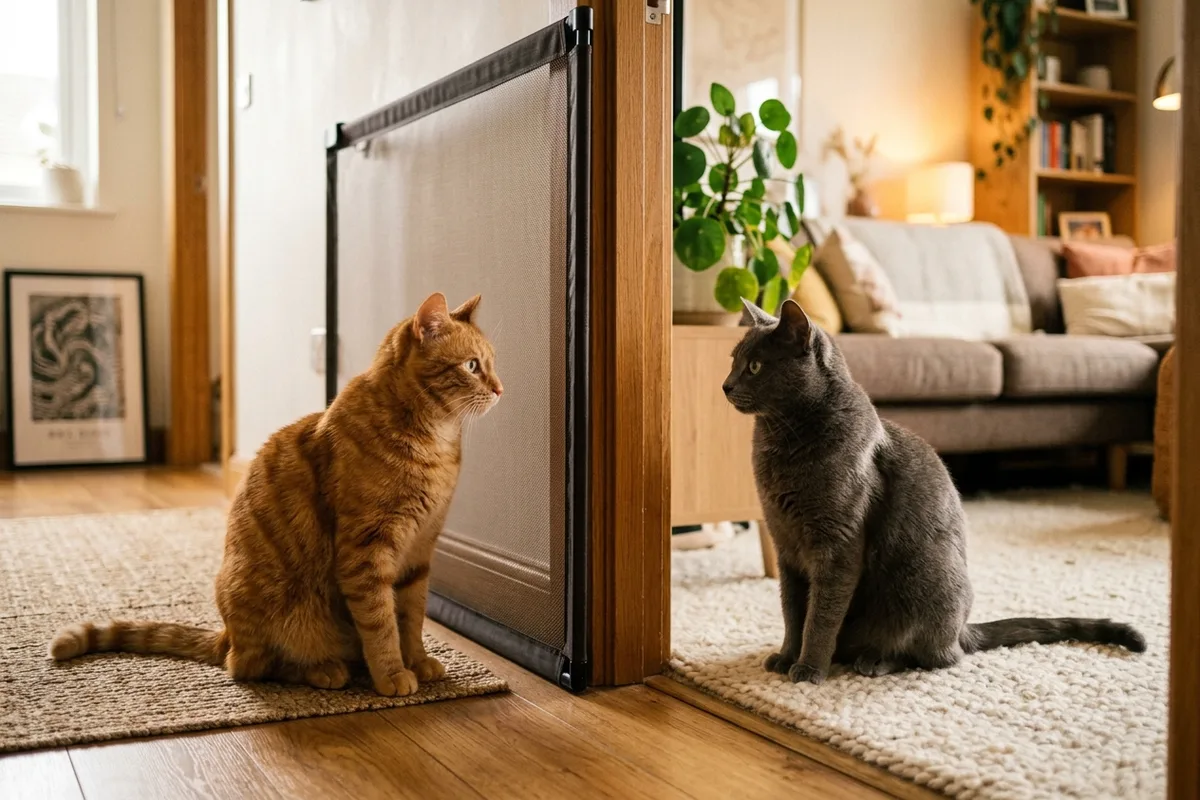
Yes. Approximately 10% of castrated males and 5% of spayed females may spray if they experience intense territorial rivalry, such as observing neighborhood cats outside a ground-floor window or navigating sudden social tension within the home.
How long does it take for a cat to resume normal box habits?
If caused by litter aversion or minor box hygiene neglect and corrected promptly, most cats resume regular habits within 3 to 7 days. If caused by medical cystitis or chronic pain, recovery depends on veterinary treatment and medication timelines. ---
Caring for a cat? Keep their health in your pocket
Register your cat on Nekolife to track vaccination history, weight, and get advice from loving cat parents.
- Vaccine & weight records
- Supportive cat community
- Earn Meow Points & badges
Related pages
Sources
Know someone who needs this?