How to introduce a kitten to another cat so they get along
To introduce a kitten to your cat, go slowly and in stages: first the kitten lives in their own room, then they swap scents, then they see each other through a barrier, and only at the end do they share space under supervision. It can take from days to weeks or months, and you should never force them.

Quick answers
- Put them together on day one?No: the kitten starts in their own room.
- How long does it take?Some cats accept the kitten quickly; others take weeks or months.
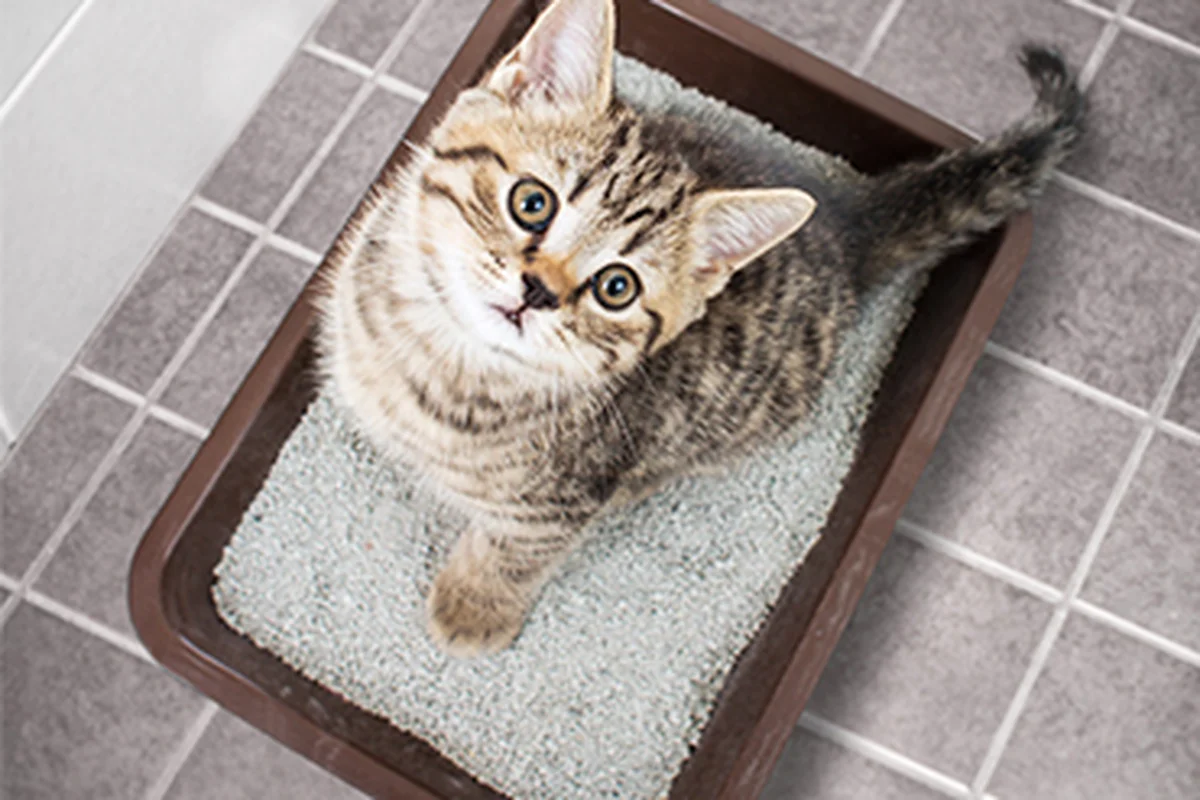
- Do they share litter box and bowls?No: each with their own, plus one extra, in separate places.
- What if they hiss?Separate them without punishing and go back to the previous step.
- Leave them alone?Not until you are sure they get along.
In this guide
Before the kitten arrives
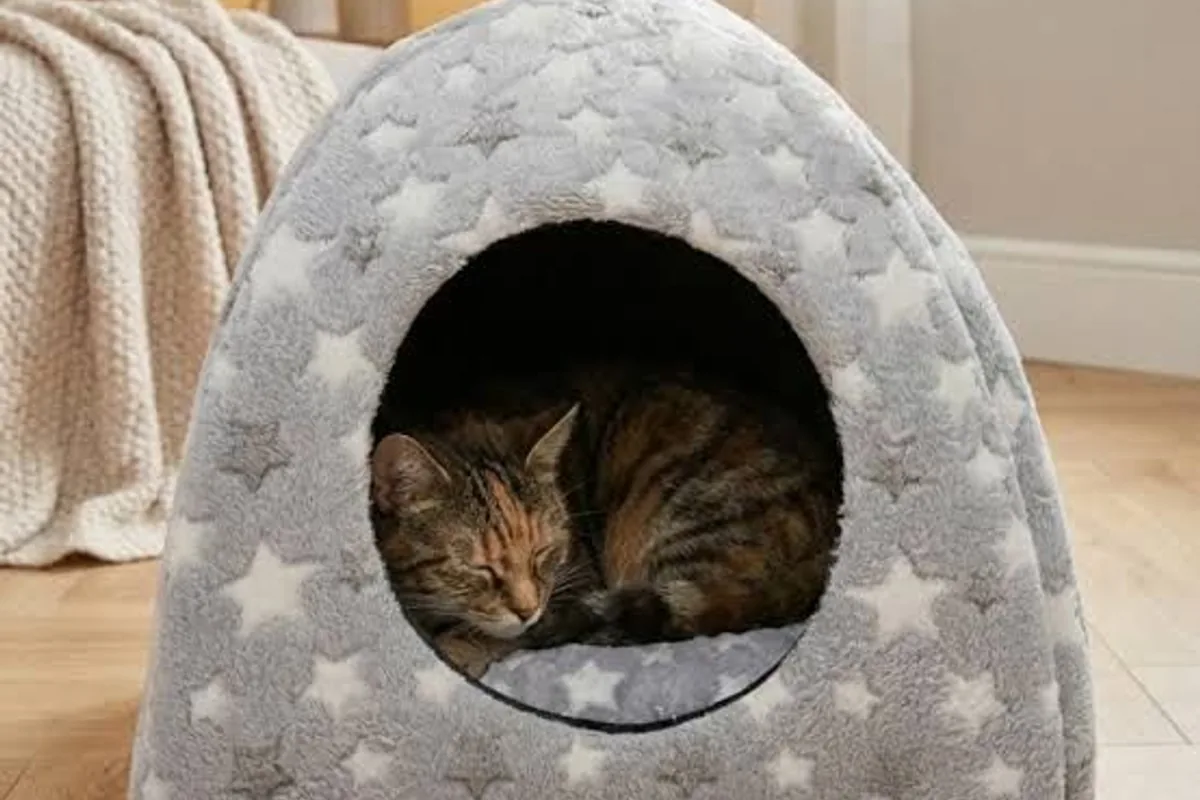
- Prepare their room: one your cat does not use, with food, water, bed, hiding places, litter box, toys, and a scratching post. Use new items or the kitten's own, not your cat's. See what a kitten needs when they come home.
- Do not change your cat's routine: their beds, food, litter box, and schedule should stay the same.
- Pheromones: iCatCare suggests synthetic pheromone diffusers in the areas each one uses.
- Health first: have the kitten see the vet and be up to date on vaccines, deworming, and flea control.
Step by step to introduce them
- Own room (days to 1–2 weeks). The kitten stays in their room until they are comfortable: eating, using the litter box, playing, and rubbing against furniture.
- Scent swap. Move a blanket from each one's bed to the other's. If either avoids it or hisses at it, go slower. You can also rub a soft cloth on the kitten's head and wipe it on furniture at your cat's height.
- Space swap. Let the kitten explore the house while your cat is in another area, then the other way around.
- See each other through a barrier. A glass door, baby gate, or screen, at first partly covered with a blanket. Short, calm sessions.
- Supervised meetings. Open the barrier when they are calm, without forcing them to approach. One person per cat, ready to step in calmly.
- Short unsupervised times. Only if the previous step goes well: a few minutes at first and more time gradually, with the kitten separated between sessions.
If tension or fights appear at any step, go back to the previous one.
Food and play during meetings? The sources disagree
- VCA suggests keeping each cat busy with food or toys near the barrier and gradually moving the bowls closer. iCatCare's kitten booklet also suggests distracting them with a toy, food, or attention.
- iCatCare's updated article (2025) advises against using food or play to distract or reward during introductions, because cats eat and play alone and doing so near another cat can stress them. It prefers calling them by name and taking them to another room.
If you are unsure, watch your cats: if eating near the barrier tenses them, move them farther apart. And ask your vet or a behavior specialist.
Signs you need to go slower
Hissing, growling, ears rotated with a tense body, staring, or one stopping eating or using the litter box. Separate them calmly and never punish: that only scares them more.
Remember the kitten has much more energy. Give them plenty of their own play so they do not bother your adult cat, and places where they can hide and the adult cannot reach.
When to ask for help
Contact your vet if:
- There are fights with injuries, or one of them stops eating, hides all the time, or eliminates outside the litter box.
- Your cat shows a lot of stress after weeks of trying.
- The kitten is lethargic, has diarrhea, or is sneezing: see kitten with diarrhea.
iCatCare notes that some cats simply do not want to live with other cats, even with every care. The vet can refer you to a behavior specialist.
Create a Nekolife account
Added a kitten to the family? Tell the community how living together is going and learn from other caregivers.
Create account — It's free and you'll come right back here.
Frequently asked questions
How long does it take a cat to accept a kitten?
It varies a lot: from a short time to weeks or months. Do not rush it.
Is it normal for my cat to hiss at the kitten?
It is common at first. Separate them, go back to the previous step, and advance more slowly.
Can they share a litter box?
Better not: each cat with their own resources plus one extra (bowls, beds, litter boxes, scratching posts), in separate places.
Is it easier to introduce a kitten than an adult cat?
Kittens are usually curious about other cats; the adult is the one who tends to be more wary. That is why the steps are the same.
What if I have more than one cat?
Introduce the kitten to one cat at a time.
Caring for a cat? Keep their health in your pocket
Register your cat on Nekolife to track vaccination history, weight, and get advice from loving cat parents.
- Vaccine & weight records
- Supportive cat community
- Earn Meow Points & badges
Related pages




Sources
- "Caring for your new kitten" (leaflet). International Cat Care (iCatCare). icatcare.org
- "Introducing cats". International Cat Care (iCatCare). Updated November 28, 2025. icatcare.org
- "Introducing New Adult Cats". VCA Animal Hospitals. vcahospitals.com
- "How To Introduce a Kitten to a Cat". PetMD. petmd.com
Know someone who needs this?